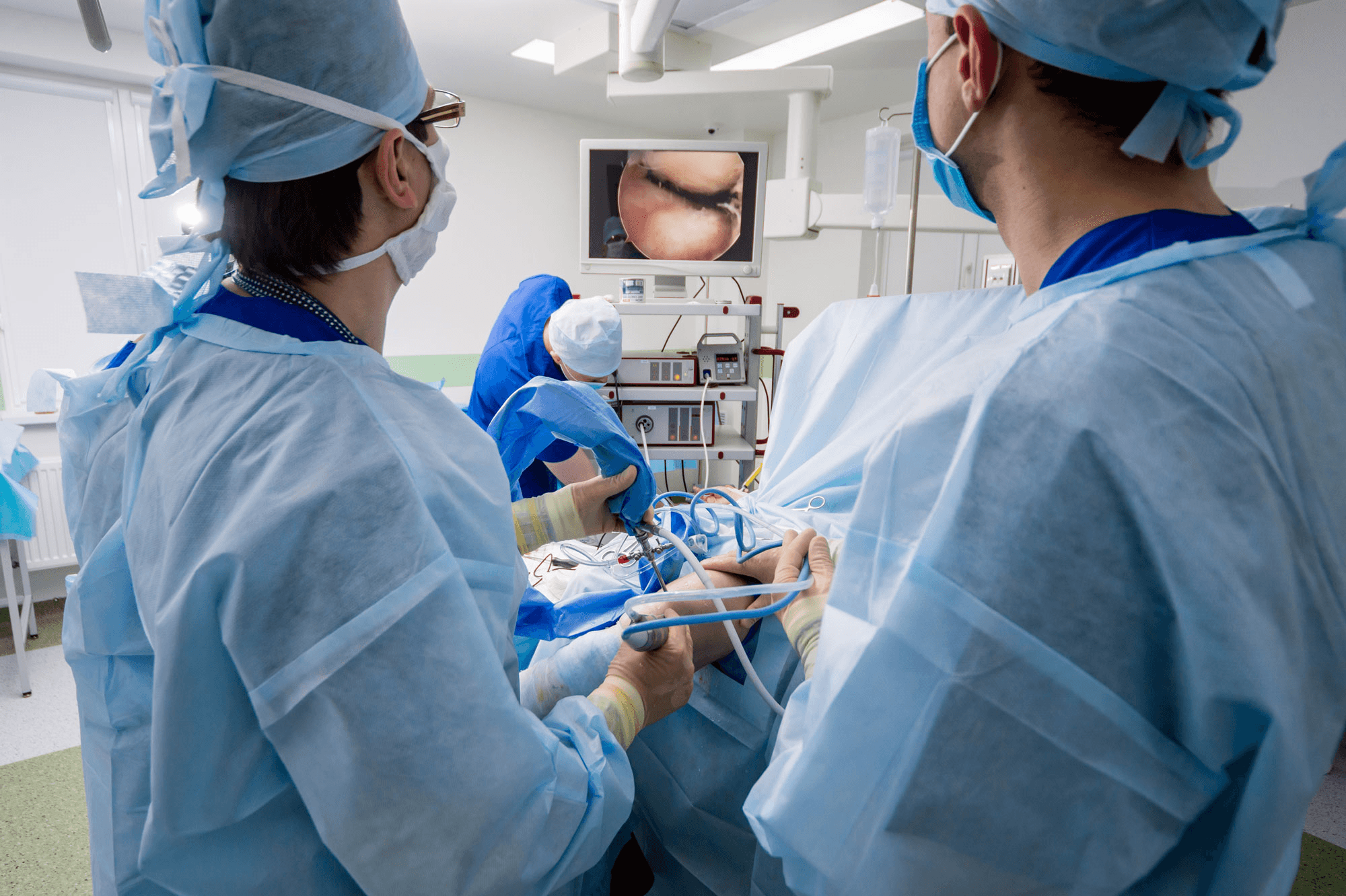

Recovery timeline after dislocated kneecap
A dislocated kneecap, also known as a patella dislocation, occurs when the kneecap slips out of its normal position, often causing pain and difficulty with everyday activities such as walking or bending your knee. This injury can be unsettling, but knowing what to expect during recovery can help ease your concerns and guide you through each stage of healing. In this article, we’ll explore the typical recovery time following a dislocated kneecap, highlight what you might experience along the way, and offer advice to help you confidently return to your usual activities.
Professor Paul Lee, a specialist at the London Cartilage Clinic with vast clinical experience, leads a caring and professional team dedicated to supporting patients throughout their recovery. Here, we explain the process of kneecap dislocation healing in an accessible and patient-friendly way, so you can feel informed and reassured.
The First Steps After a Dislocated Kneecap: Immediate Care and Week 1
In the first few hours and days after your kneecap dislocates, you are likely to experience sharp pain, swelling, and limited ability to move the knee. Emergency treatment usually involves gently putting the kneecap back into place and checking for any damage to ligaments or cartilage nearby. At this stage, protecting the knee is vital, so crutches may be used to avoid putting weight on the leg, along with a knee brace to stabilise the joint and prevent further injury.
The main goals during week one are to reduce swelling, manage pain, and begin very gentle, guided movement under the supervision of a healthcare professional. You might wonder how long to walk after knee dislocation; typically, walking is limited and supported by crutches initially, gradually improving as your recovery progresses. Daily activities will be affected, but with proper pain management and realistic expectations, you can adapt to these early challenges.
Milestones in Recovery: Weeks 2–4
During weeks two to four, you should notice swelling and pain starting to ease, with improved knee stability. This stage focuses on restoring movement while strengthening the muscles around the knee to protect and support the joint. Physiotherapy is key here, with exercises targeting muscle rebuilding and proprioception—the body’s ability to sense joint position and movement.
Research highlights that first-time dislocations without major bone or cartilage injury often respond well to conservative treatment that includes early mobilisation, strengthening of the quadriceps and hip muscles, proprioceptive retraining, and use of supportive bracing. While you may still need some knee support, reliance on crutches usually decreases by now, allowing more independence in daily tasks such as showering and gentle stretching. Consistent adherence to your rehabilitation exercises at this stage is essential to steadily regain strength and function.
Free non-medical discussion
Not sure what to do next?
Information only · No medical advice or diagnosis.
Regaining Independence: Weeks 5–8 and Beyond
From approximately five to eight weeks onwards, most people shift from needing assistance with walking to moving independently. Depending on your progress and specific circumstances, this phase may also include returning to driving and gently resuming low-impact activities like swimming or cycling. It is important to recognise that recovery times vary widely, depending on your age, general health, and how severe the initial injury was.
Pain and swelling typically continue to decrease during this time, allowing you to gradually increase activity. Continued use of knee support might be recommended to provide extra stability while rebuilding strength. Rehabilitation now emphasises muscle strengthening and improving joint stability, which are crucial for safely returning to everyday living and reducing the chance of a repeat dislocation. As experts note, your prognosis greatly depends on sticking to your rehabilitation plan and correcting any underlying biomechanical issues.

Long-Term Rehabilitation and Preventing a Repeat Dislocation
Recovery doesn’t end once the pain has gone—ongoing rehabilitation is vital for regaining full strength, balance, and stability in your knee to prevent future dislocations. Long-term exercises focusing on muscle strength, proper movement patterns, and flexibility should become part of your routine.
To help prevent another dislocation, avoid returning to high-risk activities too soon, always warm up before exercise, and maintain your strengthening and balance training. If you notice signs like ongoing instability or recurrent pain, it’s important to seek further medical advice. Under the expert care of professionals like Professor Paul Lee at the London Cartilage Clinic, your rehabilitation can be personalised to support effective healing and reduce the risk of long-term problems.
Conclusion
Understanding the recovery timeline after a dislocated kneecap helps set realistic goals and highlights how important rehabilitation is to a successful outcome. Everyone’s recovery journey is different, but with expert support and commitment to your rehab exercises, you can safely and confidently return to the activities you enjoy. Always seek advice from qualified healthcare professionals to ensure your recovery stays on track.
For individual medical advice, please consult a qualified healthcare professional.
Frequently Asked Questions
- After a kneecap dislocation, it is crucial to minimise movement, use crutches for support, and seek expert medical attention. MSK Doctors, led by Prof Paul Lee, provide rapid assessment and create a safe plan for your initial care and diagnosis.
- Prof Paul Lee, a leading cartilage expert and Royal College of Surgeons Ambassador, uses advanced techniques to support healing. His experience ensures patients at MSK Doctors receive thorough evaluations and personalised rehabilitation plans, which help facilitate a smoother and safer recovery journey.
- During the first month, rehabilitation is guided by specialists like Prof Lee's team at MSK Doctors. It emphasises gentle movement, swelling reduction, pain management, and progressive muscle strengthening with physiotherapy to gradually restore joint stability and function, always tailored to your individual needs.
- Initially, walking is usually limited and supported with crutches. As recovery progresses with MSK Doctors’ guidance, most patients regain independence in daily activities through structured exercises and careful rehabilitation, prioritising a personalised and gradual return to mobility under professional supervision.
- Preventing future dislocations involves long-term rehabilitation focusing on strength, flexibility, and proper movement patterns. The team at MSK Doctors, led by Prof Lee, provides tailored programmes, ongoing support, and expert advice to help minimise risks and optimise joint health for every patient.
Legal & Medical Disclaimer
This article is written by an independent contributor and reflects their own views and experience, not necessarily those of Liquid Cartilage. It is provided for general information and education only and does not constitute medical advice, diagnosis, or treatment.
Always seek personalised advice from a qualified healthcare professional before making decisions about your health. Liquid Cartilage accepts no responsibility for errors, omissions, third-party content, or any loss, damage, or injury arising from reliance on this material.
If you believe this article contains inaccurate or infringing content, please contact us at [email protected].