
Recovery Timelines and Outcomes for Cruciate Ligament Injuries
Introduction
Cruciate ligaments are essential for keeping our knees stable and ensuring smooth, controlled movement. The anterior cruciate ligament (ACL) is particularly important because it stops the shinbone (tibia) from sliding forward against the thighbone (femur). Injuries to these ligaments, especially the ACL, are common in sports and can seriously impact your ability to move comfortably.
This article is designed to give you a clear, realistic idea of how long it takes to heal from a cruciate ligament injury, whether you choose surgery or opt for non-surgical care. Knowing what to expect is especially important if you’re an athlete or someone who enjoys an active lifestyle. Drawing on the expertise of Professor Paul Lee, a leading orthopaedic specialist at the London Cartilage Clinic, we’ll also highlight the expert support available to patients throughout their recovery.
Understanding Cruciate Ligament Injuries and What Affects Healing
Most cruciate ligament injuries involve the ACL, though the posterior cruciate ligament (PCL) can also be damaged. The ACL is especially vulnerable because it controls the rotation and forward movement of the knee. Such injuries usually happen from sudden twists, collisions on the playing field, or accidents that put a lot of strain on the knee.
Several factors influence how long it takes to heal. Age is a major one – younger people usually recover faster. Your overall health, fitness level, and any previous knee issues also matter. And of course, the severity of the injury varies greatly, from a minor sprain to a complete tear, which heavily influences recovery time. Whether you go for surgery or stick to conservative treatment also makes a difference. Healing can take anywhere from a few months to over a year depending on these factors.
Interestingly, recent research shows that other ligaments around the knee, like the anterolateral ligament (ALL), also play a role in recovery. One study found that “the improvement rate was 24.6% among patients who did not receive ACL reconstruction in the acute phase and underwent surgery later in the chronic phase” (Ateş & Oğul, 2024). This highlights how healing can vary depending on both treatment timing and injury management.
In addition, new insights suggest certain knee tissues help the healing process itself. For example, “infrapatellar fat pads are involved in the healing process, with angiogenesis and antiapoptotic effects through NF-κB signalling playing a part” (Kano et al., 2023). This means parts of the knee joint thought to be passive may actually support natural recovery.
Typical Recovery Timelines: Surgery vs Non-Surgical Management
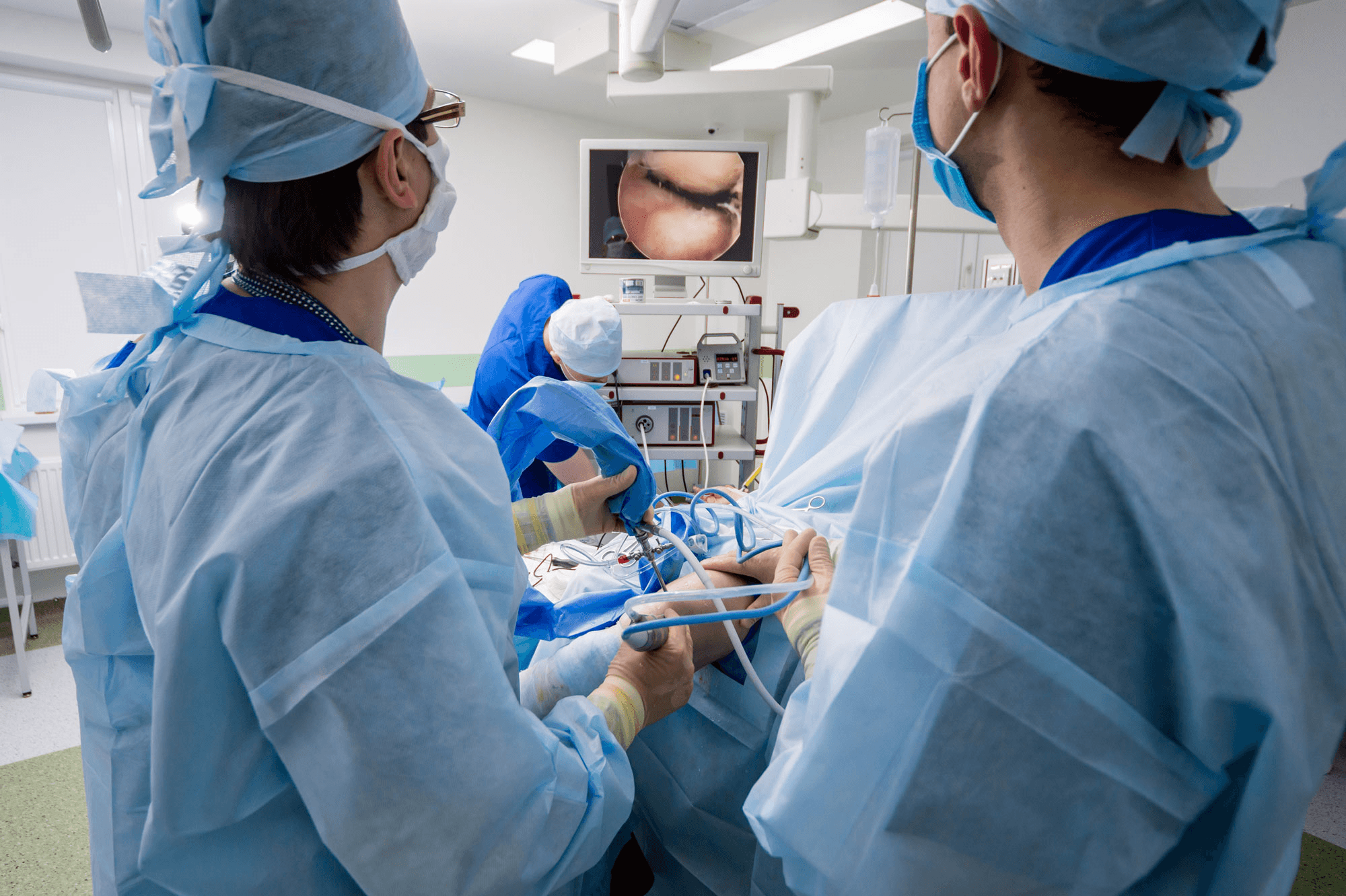
When it comes to treatment, there are generally two routes: surgical reconstruction or non-surgical management. The most common surgical procedure, ACL reconstruction, involves replacing the torn ligament with a graft, usually followed by a structured rehab plan. The first couple of weeks after surgery focus on reducing pain and swelling. Over the next three to six months, regaining movement and rebuilding strength take centre stage. Most people return to sport or demanding activities around nine to twelve months post-op, although this varies.
The type of surgery can also influence healing. A recent study found that “graft healing, including ligamentisation and revascularisation, two years after ‘tension suspension’ remnant-preserving reconstruction was better than with non-remnant-preserving techniques” (Sun et al., 2023). In other words, preserving part of the original ligament may encourage better biological healing.
For those with less severe injuries or lower activity levels, non-surgical treatment is an option. This usually involves rest, physiotherapy, and carefully guided strengthening exercises. Pain and swelling typically ease over six to twelve weeks, but returning fully to everyday or sporting activities may take six months or more.
It’s also important to understand that ligament healing and clinical tests don’t always match up perfectly. For example, “in the acute phase, the degree of ALL damage related to pivot shift test results, but in the chronic phase this association was not significant” (Ateş & Oğul, 2024). This reminds us that doctors tailor assessments throughout the recovery journey.
Free non-medical discussion
Not sure what to do next?
Information only · No medical advice or diagnosis.
Supporting Healing and Handling Setbacks
Helping your knee heal well involves sticking to physiotherapy routines, doing home exercises, eating well, and allowing enough rest. Physiotherapy is key for rebuilding strength, flexibility, and balance—the knee’s awareness of position—which helps avoid further injury.
Setbacks such as stiffness, re-injury from returning to activity too soon, or slowing progress are common. They can usually be managed by adjusting rehab exercises or treatments. Regular check-ups with your orthopaedic specialist allow timely tweaks and reassurance. It helps to remember setbacks are normal and don’t mean failure.
At the London Cartilage Clinic, Professor Paul Lee and his team combine expert surgical techniques with personalised rehab plans, supporting patients to steadily overcome these challenges and keep making progress.

What to Expect When Returning to Activity and Long-Term Outlook
Getting back to sports or daily activities is a careful, step-by-step process. Most people can begin low-impact exercises after a few months, but returning to high-intensity sports usually takes nine to twelve months. Doctors look for signs like regaining strength comparable to the uninjured leg, no pain or swelling while active, and confidence in knee stability before giving the green light.
Some people experience mild discomfort or stiffness for a while, which typically improves with ongoing rehab. Advances like neuromuscular training and wearable tech help track recovery closely and tailor rehab.
It’s worth noting that clinical test results don’t always tell the full story of healing, especially over time. For example, “results in the chronic phase were not associated with the degree of injury” (Ateş & Oğul, 2024). This underscores the need for continuous professional monitoring throughout rehabilitation.
In the end, patience, dedication to rehab, and professional support are essential to achieving the best long-term outcomes.
Conclusion
Recovery from cruciate ligament injuries varies widely based on how severe the injury is, the treatment chosen, and personal factors like age and fitness. Both surgical and non-surgical approaches require commitment to rehabilitation with realistic expectations about healing timelines. Knowing what to expect can ease frustration and help keep you motivated.
With Professor Paul Lee’s expert guidance and the supportive environment at the London Cartilage Clinic, patients receive personalised care designed to optimise healing and knee function long term. For specific advice about your situation, always consult a qualified healthcare professional.
References
- Ateş, O., & Oğul, A. (2024). Evaluation of anterolateral ligament healing in patients with anterior cruciate ligament injury without anterior cruciate ligament reconstruction and its relationship with clinical examination tests. Knee Surgery & Related Research. https://doi.org/10.1002/ksa.12212
- Sun, Y., Huang, Z., Zhang, P., Xie, H., Wang, C., Deng, Z., Chen, K., & Zhu, W. (2023). Comparative Study of Graft Healing in 2 Years after “Tension Suspension” Remnant-Preserving and Non-Remnant-Preserving Anatomical Reconstruction for Sherman Type II Anterior Cruciate Ligament Injury. Journal of Personalized Medicine, 13(3), 477. https://doi.org/10.3390/jpm13030477
- Kano, T., Minegishi, Y., Terada, H., Takasu, C., Kojima, T., Oka, Y., Kawabata, S., Shimada, N., Morishita, Y., Murata, K., & Kanemura, N. (2023). The infrapatellar fat pad contributes to spontaneous healing after complete anterior cruciate ligament injury. Experimental Biology and Medicine. https://doi.org/10.1177/15353702231215921
Frequently Asked Questions
- Cruciate ligament injuries, particularly of the ACL, can significantly affect knee stability and movement, impacting active lifestyles. Factors like injury severity, age, and previous health issues make recovery challenging. Professor Paul Lee and MSK Doctors provide expert, individualised support throughout your rehabilitation journey.
- Surgical recovery, such as ACL reconstruction, usually involves structured rehabilitation lasting nine to twelve months. Non-surgical options may allow return to basic activities in six months or more. MSK Doctors and Professor Lee tailor treatment and recovery plans, offering advanced care for a faster, safer return to activity.
- Professor Paul Lee is a cartilage expert, Royal College of Surgeons of Edinburgh Ambassador and Advisor, with extensive experience in ligament injuries. At MSK Doctors, he provides the latest surgical techniques and personalised rehab, supporting every step of your recovery for optimal long-term knee health.
- Setbacks like stiffness or slow progress are common but managed proactively at the London Cartilage Clinic. Professor Lee and his team provide expert adjustments to rehab plans, ensuring every patient receives thorough monitoring and guidance, helping maintain motivation and progress through challenges.
- With Professor Lee and MSK Doctors, patients benefit from continuous monitoring and advanced treatments, supporting better knee function and reduced risk of re-injury. Individualised support ensures realistic expectations, steady recovery, and the best possible outcomes for returning to active lifestyles.
Legal & Medical Disclaimer
This article is written by an independent contributor and reflects their own views and experience, not necessarily those of Liquid Cartilage. It is provided for general information and education only and does not constitute medical advice, diagnosis, or treatment.
Always seek personalised advice from a qualified healthcare professional before making decisions about your health. Liquid Cartilage accepts no responsibility for errors, omissions, third-party content, or any loss, damage, or injury arising from reliance on this material.
If you believe this article contains inaccurate or infringing content, please contact us at [email protected].