
Cartilage Damage Diagnosis Using Imaging and Physical Exams
Introduction
Getting an accurate diagnosis is key to treating joint pain and cartilage injuries effectively. Cartilage damage can be tricky to spot because its symptoms often overlap with other joint problems. That’s why expert assessment is so important. Knowing how doctors identify these injuries can help you feel more confident and informed. Professor Paul Lee, a leading specialist in orthopaedics and rehabilitation at the London Cartilage Clinic, brings years of clinical experience to this topic. In this article, we’ll take you through what to look out for, the examinations doctors carry out, the imaging technologies they use, and what happens after diagnosis.
Recognising the Signs – When Should You Seek Medical Assessment?
Cartilage damage often shows up as joint pain, swelling, a feeling of instability, or occasional locking of the joint. Sometimes symptoms can be mild or come and go, but that doesn’t mean the problem is minor. Early medical assessment is important to avoid worsening the injury and to get the right treatment started promptly. If you experience persistent pain, trouble moving the joint, or recurrent swelling, it’s a good idea to see a healthcare professional. At the London Cartilage Clinic, patients find a supportive and understanding atmosphere where their joint concerns are taken seriously.
The First Step – Physical Examinations and Non-Imaging Tests
The first step usually involves a thorough conversation about your symptoms and medical history. Doctors will want to know how and when the injury happened and how it affects your daily activities. They’ll also perform physical tests—checking your joint’s range of motion and feeling for areas of tenderness or instability. These simple but important tests help decide whether further investigations are needed. Consultants such as Professor Paul Lee make a point of guiding patients clearly and reassuringly through this process.
Free non-medical discussion
Not sure what to do next?
Information only · No medical advice or diagnosis.
Imaging Techniques – MRI, X-Ray, and CT Scans in Cartilage Assessment
Imaging plays a vital role in confirming cartilage damage and determining its extent. Magnetic Resonance Imaging (MRI) is widely considered the gold standard because it shows soft tissues and cartilage in detail, all without radiation. As one study puts it, “MRI is the most accurate imaging modality for diagnosing knee pathologies” (Koch et al., 2021).
X-rays don’t show cartilage directly but can reveal changes in bone structure, such as narrowing of the joint space or bone spurs. CT scans offer very clear images of bone and can be valuable in certain complex cases or when MRI isn’t suitable.
It’s important to understand the limits of MRI, too. According to Koch et al. (2021), “This modality however is not reliable for diagnosing short peripheral tears at the posterior horn of the medial meniscus and partial thickness articular cartilage lesion of the femoral condyles.”
Different joint conditions come with their own diagnostic challenges. For example, in hip problems like femoroacetabular impingement (FAI), detecting cartilage layer separation—or acetabular cartilage delamination (ACD)—can be tricky. “Advanced imaging techniques are valuable tools for diagnosing ACD in patients with FAI; however, challenges in terms of achieving optimal sensitivity and specificity persist” (Song et al., 2025). While MRI shows “satisfactory sensitivity and specificity alongside moderate interobserver reliability in detecting ACD,” other methods such as magnetic resonance arthrography (MRA) have given mixed results due to joint limitations (Song et al., 2025).
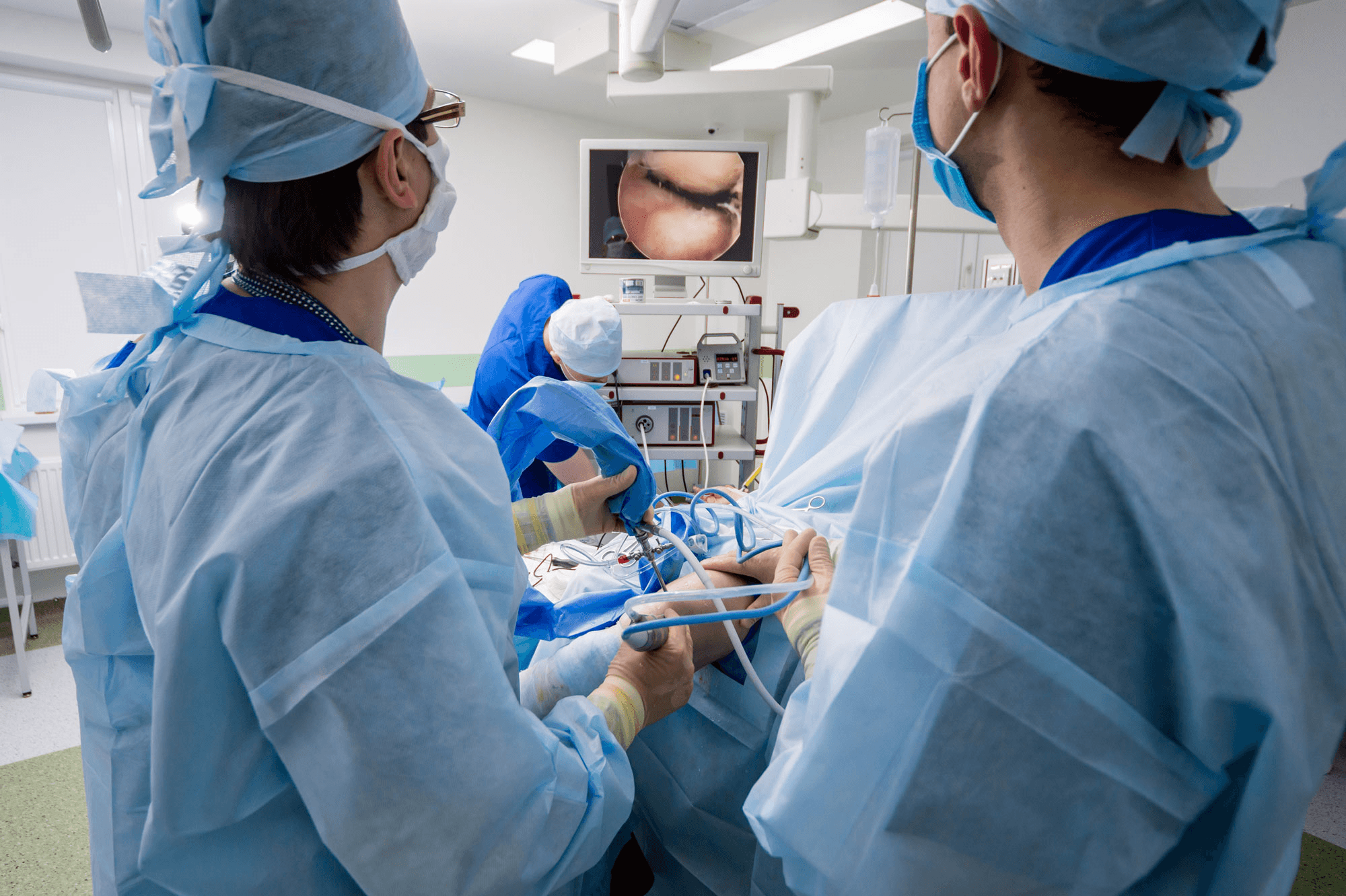
In some cases, specialised MRI sequences or a direct look via arthroscopy may be needed to get a definitive diagnosis.
Beyond conventional imaging, new technologies are emerging. Vibroarthrography—a technique that analyses sounds and vibrations from moving joints—is showing promise. As noted by Karpiński et al. (2023), “vibroarthrography presents a promising diagnostic modality for cartilage evaluation in clinical setting with the use of MLP and RBF classification methods.” Though not yet common practice, such advances may soon aid earlier detection and easier screening.

Next Steps – What Happens After Diagnosis?
After diagnosis, your healthcare team will develop a personalised treatment plan based on your specific condition. This might include referrals to specialists, close monitoring, or rehabilitation aimed at improving joint function and reducing pain. Clinics like London Cartilage Clinic focus on tailored, compassionate care, guiding patients carefully through recovery. If your symptoms persist or worsen, don’t hesitate to seek further advice—expert support is always available to help you get back on track.
Conclusion
Spotting cartilage damage early, supported by thorough examinations and appropriate imaging, is crucial for effective care. Experienced clinicians such as Professor Paul Lee and the team at London Cartilage Clinic provide expert, patient-centred support for those dealing with joint injuries. For personalised advice and treatment, always consult a qualified healthcare professional who can tailor care to your needs and help protect your joint health.
References
- Koch, J., Ben-Elyahu, R., Khateeb, B., Ringart, M., Nyska, M., Ohana, N., Mann, G., & Hetsroni, I. (2021). Accuracy measures of 1.5-tesla MRI for the diagnosis of ACL, meniscus and articular knee cartilage damage and characteristics of false negative lesions: a level III prognostic study. BMC Musculoskeletal Disorders, 22, 522. https://doi.org/10.1186/s12891-021-04011-3
- Song, S., Murata, Y., & Uchida, S. (2025). An updated review on the diagnosis and treatment of acetabular cartilage delamination in patients with femoroacetabular impingement. Orthopaedic Journal of Sports Medicine, 13, 1-11. https://doi.org/10.1177/23259671251389194
- Karpiński, R., Krakowski, P., Jonak, J., Machrowska, A., & Maciejewski, M. (2023). Comparison of selected classification methods based on machine learning as a diagnostic tool for knee joint cartilage damage based on generated vibroacoustic processes. Applied Computer Science, 19(3), 61–73. https://doi.org/10.35784/acs-2023-40
Frequently Asked Questions
- Cartilage damage often presents as joint pain, swelling, instability, or occasional locking. Even mild or intermittent symptoms should be assessed early. Early diagnosis at MSK Doctors, led by experts like Professor Paul Lee, helps prevent further injury and supports better recovery.
- At MSK Doctors, Professor Paul Lee’s team uses detailed medical histories, physical examinations, and cutting-edge imaging techniques, ensuring patients receive precise diagnoses. Their patient-focused approach supports each individual’s comfort and understanding throughout the diagnostic process for joint concerns.
- MRI is vital in diagnosing cartilage injuries as it shows soft tissues and cartilage in great detail. At the London Cartilage Clinic, Professor Paul Lee ensures patients benefit from the highest imaging standards, offering clarity on the best personalised treatment paths for joint health.
- Yes, alongside established imaging like MRI, MSK Doctors explores emerging tools such as vibroarthrography, which analyses joint vibrations. Professor Paul Lee’s commitment to the latest advancements helps offer patients thorough, evidence-based assessment for earlier and more accurate detection of cartilage issues.
- After diagnosis, Professor Paul Lee’s team at London Cartilage Clinic develops a personalised plan, which may involve monitoring, rehabilitation, or specialist referrals. Their compassionate, patient-centred approach ensures every patient receives tailored support for optimal recovery of joint function and comfort.
Legal & Medical Disclaimer
This article is written by an independent contributor and reflects their own views and experience, not necessarily those of Liquid Cartilage. It is provided for general information and education only and does not constitute medical advice, diagnosis, or treatment.
Always seek personalised advice from a qualified healthcare professional before making decisions about your health. Liquid Cartilage accepts no responsibility for errors, omissions, third-party content, or any loss, damage, or injury arising from reliance on this material.
If you believe this article contains inaccurate or infringing content, please contact us at [email protected].