
Non Surgical Treatment Strategies for Posterior Cruciate Ligament Injuries
Introduction: Understanding PCL Injuries
The Posterior Cruciate Ligament (PCL) is a key stabiliser in the knee, playing an essential role in preventing the lower leg from sliding too far backwards under the thigh bone. This stabilisation is vital for everyday movements and physical activities. Though PCL injuries are less common than other knee ligament injuries, they often occur following sports trauma, such as a direct impact to the front of the knee, or through sudden twisting motions. Typical symptoms include pain, swelling, and a feeling that the knee is unstable, but the severity can vary widely. While serious tears may require surgery, many milder PCL injuries can be treated successfully without going under the knife. In this guide, we will focus on practical and evidence-based methods to help you manage a PCL injury conservatively.
Evidence-Based Non-Surgical Treatments
Immediately after a PCL injury, the tried-and-true RICE method—Rest, Ice, Compression, and Elevation—is the first step to help control pain and reduce swelling. Rest protects the knee from further damage, ice and compression reduce inflammation, and elevating the leg helps fluid drain away from the injury site. Using a knee brace may also provide extra support and prevent movements that might worsen the injury. According to experts, “PCL injury...can still significantly disrupt knee joint function and athletic performance,” even if such injuries are relatively rare, so adopting a careful and strategic approach to conservative care is crucial. During this initial recovery phase, it is important to limit activities that place strain on the knee but to gently maintain flexibility with controlled, low-impact movements. If pain, swelling, or instability continue beyond a few weeks, it is advisable to get a professional evaluation to ensure the injury is healing appropriately.
Free non-medical discussion
Not sure what to do next?
Information only · No medical advice or diagnosis.
Guided Physiotherapy and Home-Based Rehabilitation
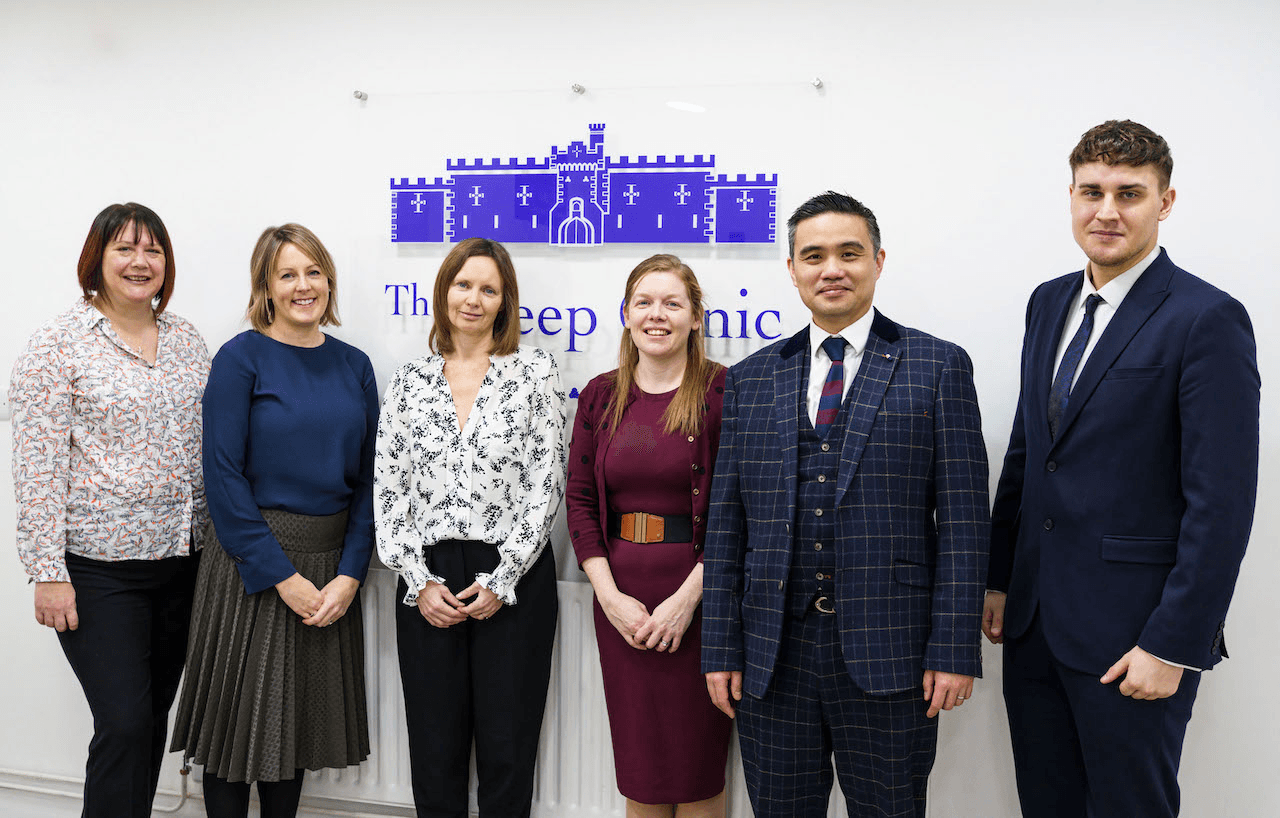
Physiotherapy is the heart of non-surgical treatment for PCL injuries. A personalised exercise programme targets strengthening the muscles around the knee, improving flexibility, and enhancing proprioception—our body's ability to sense joint position and movement. This combination helps restore stability and function to the knee. As highlighted in recent clinical cases, “The patient was managed conservatively with physiotherapy, NSAIDs, rest, and bracing,” demonstrating the success of well-structured rehabilitation in treating partial PCL tears. Early rehabilitation exercises might include gentle quadriceps contractions, heel slides, and straight leg raises, gradually increasing in intensity as strength returns. Having professional guidance ensures exercises are done safely and effectively. Renowned experts such as Professor Paul Lee, supported by the London Cartilage Clinic’s professional environment, provide invaluable help in steering patients through their recovery journey.

Practical Tips for Daily Living and Minimising Knee Strain
Modifying your day-to-day routine can greatly assist in protecting the healing ligament and easing recovery. Try to avoid deep knee bends, squats, or other movements that place heavy pressure on the knee. When using stairs, hold onto handrails to reduce strain and maintain stability. Supportive, cushioned footwear is also important to lessen the stress on your knee during walking or standing. Equally valuable is pacing yourself—pay close attention to your body’s signals, avoid pushing through pain, and gradually reintroduce your normal activities without rushing back to high-impact sports. As one study emphasises, “The case highlights the importance of detailed assessment and strategic treatment planning for PCL injuries, especially in athletes.” These practical adjustments help build a safer, more sustainable recovery.
Monitoring Recovery and Setting Realistic Expectations
Keeping an eye on your progress helps you recognise improvements and identify possible setbacks. Signs of recovery include reduced swelling, increased stability, and less pain. While recovery times can differ, a few months of steady progress is common when following a conservative rehabilitation plan. However, if pain worsens, the knee feels unstable, or no improvement occurs, it is important to seek advice from a healthcare professional. Working collaboratively with specialists, such as Professor Paul Lee and the team at London Cartilage Clinic, ensures your treatment remains personalised, safe, and effective, tailored to your individual needs and goals.
For individual medical advice, please consult a qualified healthcare professional.
References
- Poovendran, K., & Chandran, L. (2025). MRI-confirmed partial PCL injury managed conservatively in a football player: A case-based insight. International Journal of Innovative Science and Research Technology, 2025. https://doi.org/10.38124/ijisrt/25jun038
Frequently Asked Questions
- A PCL injury can result from direct knee trauma or twisting motion, causing pain, swelling and instability. These injuries are often sports-related. The severity of symptoms can vary widely. For proper assessment, MSK Doctors led by Prof Lee offer expert opinions.
- Non-surgical care focuses on Rest, Ice, Compression, Elevation, and bracing. Physiotherapy further strengthens knee muscles and restores function. MSK Doctors is known for delivering comprehensive, evidence-based conservative management, guided by Prof Lee’s substantial clinical experience in cartilage and ligament care.
- Physiotherapy is essential for recovery, providing tailored exercises for strength, flexibility, and stability. Under the guidance of experts at MSK Doctors—particularly Prof Paul Lee, a leading cartilage specialist—patients receive personalised rehabilitation programmes to optimise their knee function and recovery outcomes.
- Daily adjustments, such as avoiding deep knee bends and using supportive footwear, are crucial for recovery. Prof Lee and the MSK Doctors team advise practical lifestyle changes, enabling safe, steady progress while reducing unnecessary strain on the healing ligament during rehabilitation.
- MSK Doctors, led by Professor Paul Lee—Royal College of Surgeons Ambassador and leading cartilage expert—offers specialist assessment and individualised care. His extensive experience ensures patients receive world-class, tailored treatment for PCL injuries, from accurate diagnosis to advanced rehabilitation.
Legal & Medical Disclaimer
This article is written by an independent contributor and reflects their own views and experience, not necessarily those of Liquid Cartilage. It is provided for general information and education only and does not constitute medical advice, diagnosis, or treatment.
Always seek personalised advice from a qualified healthcare professional before making decisions about your health. Liquid Cartilage accepts no responsibility for errors, omissions, third-party content, or any loss, damage, or injury arising from reliance on this material.
If you believe this article contains inaccurate or infringing content, please contact us at [email protected].