
Safe Home Management Strategies for Patellar Tendinopathy
Introduction
Patellar tendinopathy, often called jumper’s knee, is a common overuse injury affecting the tendon connecting the kneecap to the shinbone. It usually occurs in athletes who do a lot of jumping, running or quick changes in direction. Many people prefer to manage this condition at home early on to ease discomfort and avoid complications. With the right evidence-based approach, most cases can be effectively treated at home, helping you heal safely and get back to your regular activities.
Recognising Patellar Tendinopathy – Symptoms to Watch For
Pain is the key sign of patellar tendinopathy, typically felt just below the kneecap. It worsens during activities like jumping, running or climbing stairs and is often described as sharp or aching. You may also notice stiffness after rest or in the morning. Sudden increases in training, poor technique, or weak and tight muscles around the knee can increase risk. While it’s helpful to do a self-check, you should see a healthcare professional if pain is severe, lasts a long time, or comes with swelling or knee instability. Remember, sometimes knee pain isn’t just about the knee itself – “the importance of assessing the spine in knee disorders” shouldn’t be overlooked (Serres & Van Cant, 2025).
Immediate Actions – Rest, Load Management, and Avoiding Aggravation
In the early stages, it’s important to modify your activities to give the tendon a chance to heal. This doesn’t mean complete rest or staying immobile, but reducing the intensity or changing the type of exercise to avoid placing extra stress on the tendon. For example, cutting back on running or swapping it for low-impact exercise like cycling or swimming can help. Avoid deep squats or long periods of kneeling for now. At home, manage your daily activities by pacing yourself, taking breaks, and steering clear of repetitive knee bending. These adjustments can relieve symptoms and encourage recovery.
Free non-medical discussion
Not sure what to do next?
Information only · No medical advice or diagnosis.
Safe Exercises and Progressive Strengthening at Home
As your pain eases, it’s time to slowly bring in exercises to strengthen the tendon through controlled loading. Professor Paul Lee, a specialist in orthopaedics and rehabilitation, recommends progressive loading as a key part of recovery. Start with simple isometric exercises like sitting with your knee bent at 90 degrees and pressing gently into a rolled towel under your kneecap. Hold for 30 seconds, repeat three times, twice daily. Another good exercise is the eccentric squat: stand with weight evenly distributed, then slowly lower yourself on the affected leg over 3 to 5 seconds before standing back up using both legs. Begin with two sets of 10 reps every other day, increasing carefully as you feel ready. Always keep track of your pain and avoid pushing too hard. Using these exercises and home remedies carefully encourages safe tendon strengthening.

Pain Relief Strategies – Cold, Heat, and Home Remedies
Effective pain relief at home complements rest and exercise. Use cold therapy – ice packs wrapped in a cloth – for 15 to 20 minutes, especially after activity or during flare-ups, to reduce inflammation. Heat therapy, such as warm baths or heat pads, can help relax muscles and boost blood flow when pain lessens. Other helpful remedies include gentle massage around the tendon and elevating your leg to reduce swelling. Over-the-counter pain relief can ease discomfort but should be used alongside proper treatment, not as a replacement. For stubborn cases, remember that “chronic tendon pain can be effectively addressed” through a broader, thorough assessment (Serres & Van Cant, 2025).
Returning to Full Activity and When to Seek Additional Care
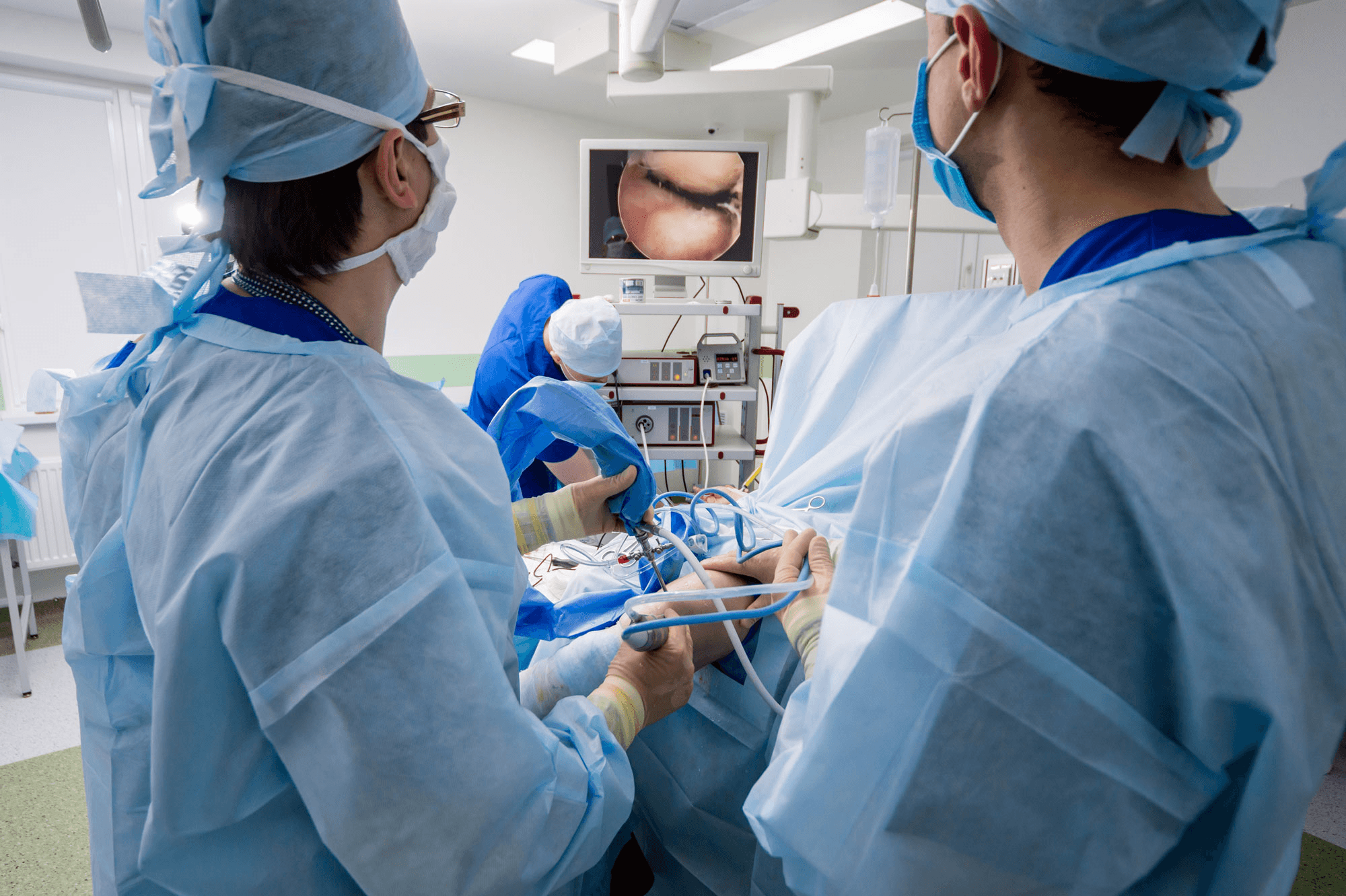
It’s important to return to full activity gradually over weeks or months, allowing your tendon to adjust safely to more strain. Setting realistic goals and maintaining your strengthening exercises during this phase lowers the chance of re-injury. If pain continues or worsens despite your efforts, it might be time to consider other treatments. Research shows that “arthroscopic debridement of the patellar tendon is a safe and effective procedure that allows rapid return to sport” for stubborn cases (Veliky et al., 2025). Similarly, “surgical treatment of refractory patellar tendinopathy leads to notable improvements and high return-to-play rates” (Mueller et al., 2025), but surgery is usually reserved as a last option. Clinics like the London Cartilage Clinic specialise in complex tendon injuries, offering expert care tailored to your needs. Keep up with prevention through regular strengthening and sensible load management to protect your knees long term.
Conclusion and Disclaimer
Managing patellar tendinopathy at home involves spotting symptoms early, modifying activity wisely, introducing strengthening exercises carefully, and using effective pain relief. Patience and consistency are key to a full, lasting recovery. For personalised medical advice, always consult a qualified healthcare professional.
References
- Veliky, C., Oosten, J. D., Bustamante, G. C., Ambreen, Y., Milliron, E. M., Cavendish, P. A., Duerr, R. A., Magnussen, R. A., Kaeding, C., & Flanigan, D. C. (2025). Minimally Invasive Intraoperative Strategies May Influence Success Rate and Return to Sport in Arthroscopic Treatment of Patellar Tendinopathy: A Systematic Review of Prospective Studies. https://doi.org/10.60118/001c.137259
- Serres, W., & Van Cant, J. (2025). Patellar Tendinopathy Responding to Spinal Treatment: A Case Report Using Mechanical Diagnosis and Therapy. https://doi.org/10.26603/001c.137949
- Mueller, J. D., Desai, S. S., Obana, K. K., Crockatt, W. K., & Popkin, C. A. (2025). A Systematic Review of Surgical Treatment for Refractory Patellar Tendinopathy. https://doi.org/10.5435/JAAOSGlobal-D-24-00146
Frequently Asked Questions
- Patellar tendinopathy, or jumper’s knee, presents as pain just below the kneecap, often worsening with exercise. Symptoms may include stiffness after rest or in the morning. Professional assessment is advised for severe, lasting, or complicated symptoms. Early recognition helps prevent complications.
- Adjusting your physical activity reduces stress on the injured tendon, supporting its recovery. Avoiding abrupt, repetitive exercises and substituting with low-impact movements like cycling or swimming can be beneficial. At MSK Doctors, Prof Lee helps patients understand how to manage activities efficiently for optimal results.
- Yes, progressive loading exercises like isometric holds and eccentric squats conducted safely encourage tendon healing. Professor Paul Lee, an expert at MSK Doctors, advises gradual progression, careful monitoring of pain, and maintaining good technique to ensure exercises are safe and effective for recovery.
- Cold therapy, heat packs, gentle massage and elevation may reduce discomfort and inflammation. Over-the-counter pain medication may help but should supplement—not replace—treatment. MSK Doctors, under Prof Lee’s care, provide guidance to ensure all at-home remedies support recovery without risking further injury.
- If symptoms persist or worsen despite self-care, consult a specialist like Professor Paul Lee at MSK Doctors. Prof Lee’s expertise in cartilage repair and tendon injuries ensures patients receive thorough assessment and advanced treatment options tailored to their condition, supporting safe, effective rehabilitation.
Legal & Medical Disclaimer
This article is written by an independent contributor and reflects their own views and experience, not necessarily those of Liquid Cartilage. It is provided for general information and education only and does not constitute medical advice, diagnosis, or treatment.
Always seek personalised advice from a qualified healthcare professional before making decisions about your health. Liquid Cartilage accepts no responsibility for errors, omissions, third-party content, or any loss, damage, or injury arising from reliance on this material.
If you believe this article contains inaccurate or infringing content, please contact us at [email protected].