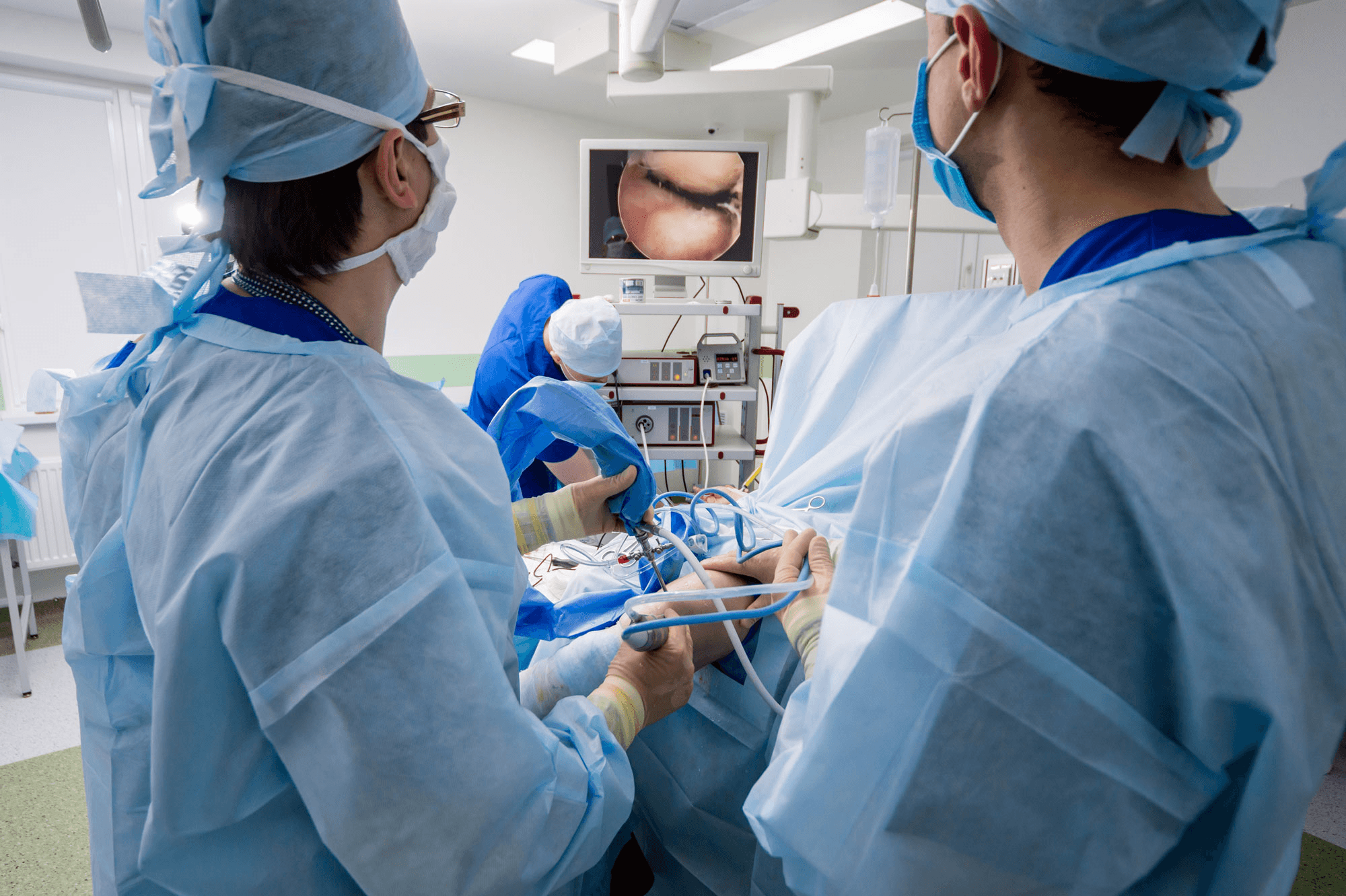

Key Symptoms and Signs of ACL Tear Impact on Knee Stability
Introduction
The anterior cruciate ligament (ACL) is a vital stabiliser inside your knee, crucial for keeping it steady during everyday movements, especially when you’re active in sports or fitness. ACL injuries are common among active individuals and can have a significant impact on your mobility, sometimes leading to long-term issues such as knee instability or arthritis. Spotting the signs of an ACL tear early on is essential to reduce complications and support a smooth recovery. In this article, we’ll break down the most reliable symptoms and signs of an ACL tear in clear, accessible language – all backed by expert insight.
Understanding ACL Tears: The Ligament’s Role and Types of Injury
The ACL is one of four key ligaments connecting your thigh bone (femur) to your shinbone (tibia). Its main job is to prevent your knee from moving too far forwards or twisting excessively. ACL injuries can vary from partial tears, where some fibres remain intact, to complete tears that fully rupture the ligament.
Knowing whether the injury is partial or complete is important because it affects treatment choices and rehabilitation plans. While imaging like MRI scans helps in diagnosis, it’s worth noting that “MRI predicted intraoperative ACL tear location in less than half of cases” (Silverman et al., 2025), meaning surgical assessment remains crucial for a precise diagnosis.
Free non-medical discussion
Not sure what to do next?
Information only · No medical advice or diagnosis.
Key Symptoms and Signs of an ACL Tear: What to Look Out For
A Sudden ‘Pop’ Sound
Many people report hearing or feeling a distinct ‘pop’ right when the ACL is injured. This is often a telltale sign that the ligament has been damaged.
Rapid Swelling
Swelling usually appears quickly, often within hours of the injury, caused by bleeding inside the knee joint.
Significant Pain
Pain is generally intense immediately after the injury, though it can vary in how it feels. Some experience sharp, severe pain, while others might have a duller, lingering ache.
Feeling of Instability or ‘Giving Way’
A classic symptom of an ACL tear is the knee feeling unstable, as if it might buckle when you try to put weight on it. This ‘giving way’ can make walking difficult and raises the risk of further injury if not addressed.
Visual aids showing where pain and swelling typically occur can be helpful for a clearer understanding of these symptoms.

What to Do Immediately After Suspecting an ACL Tear
If you think you’ve torn your ACL, here are some important first steps:
- Rest: Avoid putting weight on your injured knee to prevent further harm.
- Ice: Apply ice packs for 15–20 minutes every couple of hours to ease swelling and pain.
- Compression and Elevation: Use a compression bandage and keep your leg raised above heart level to help control swelling.
- See a Medical Professional Quickly: It’s important to get an early assessment, especially if you’re in severe pain, have rapid swelling, or your knee feels very unstable.
Early diagnosis is vital. It’s worth noting that advances in technology show that “deep learning...consistently outperformed state-of-the-art approaches on MRI-based ACL tear detection” (Siouras et al., 2024), promising faster and more accurate diagnoses in the future.
The Importance of Expert Care in Diagnosis and Recovery
Professor Paul Lee, a leading orthopaedic surgeon with broad experience in knee injuries and rehabilitation, emphasises the value of expert assessment in managing ACL tears. This is particularly important because, as research indicates, there is “poor agreement between imaging and arthroscopic assessment of ACL tear location” (Silverman et al., 2025), highlighting that scans alone may not tell the full story.
At the London Cartilage Clinic, patients receive tailored advice and treatment plans within a professional and supportive setting. While every case is unique, expert care is key to helping you regain knee function and maintain long-term joint health.
For personalised advice, always consult a qualified healthcare professional.
References
- Siouras, A., Moustakidis, S., Chalatsis, G., Bohoran, T. A., Hantes, M., Vlychou, M., Tasoulis, S. K., Giannakidis, A., & Tsaopoulos, D. (2024). Economical hybrid novelty detection leveraging global aleatoric semantic uncertainty for enhanced MRI-based ACL tear diagnosis. Computerized Medical Imaging and Graphics, 104, 102424. https://doi.org/10.1016/j.compmedimag.2024.102424
- Kantrowitz, D. E., Darden, C. N., Bienstock, D. M., Jalloh, H., Rosenberg, A. M., McMillan, S., Gladstone, J. N., & Anthony, S. G. (2025). Reliability of preoperative MRI in the prediction of ACL tear type. Orthopaedic Journal of Sports Medicine, 13(1), 23259671251339491. https://doi.org/10.1177/23259671251339491
- Silverman, R., Knapik, D., Smith, M. V., Baker, J. C., Napier, K., Matava, M., & Brophy, R. H. (2025). Limited agreement on ACL tear location between arthroscopy and MRI: A prospective evaluation. Orthopaedic Journal of Sports Medicine, 13(1), 23259671251397389. https://doi.org/10.1177/23259671251397389
Frequently Asked Questions
- The most common signs of an ACL tear include a sudden ‘pop’ sound, rapid swelling, significant pain, and a feeling of knee instability or ‘giving way’. Early recognition and prompt assessment by experts like MSK Doctors are essential for the best outcomes.
- Expert diagnosis is vital as MRI findings alone may be unreliable. Prof Paul Lee and MSK Doctors offer advanced clinical assessment, ensuring patients receive accurate diagnoses and personalised treatment plans for optimal knee recovery and long-term health.
- You should rest the knee, apply ice, use compression, elevate the leg, and seek early professional assessment. MSK Doctors, led by Prof Paul Lee, provide early expert evaluation, which is crucial to minimise complications and support proper recovery.
- Prof Paul Lee is a renowned cartilage expert and surgical ambassador with international recognition. MSK Doctors delivers tailored, expert-led treatments, giving patients access to the latest knowledge and a highly experienced team focused on the best possible recovery.
- Prof Paul Lee, a Royal College of Surgeons Ambassador and advisor, specialises in joint preservation and cartilage injuries. The London Cartilage Clinic offers professional, individualised care, utilising advanced techniques to support patients through every stage of ACL injury management.
Legal & Medical Disclaimer
This article is written by an independent contributor and reflects their own views and experience, not necessarily those of Liquid Cartilage. It is provided for general information and education only and does not constitute medical advice, diagnosis, or treatment.
Always seek personalised advice from a qualified healthcare professional before making decisions about your health. Liquid Cartilage accepts no responsibility for errors, omissions, third-party content, or any loss, damage, or injury arising from reliance on this material.
If you believe this article contains inaccurate or infringing content, please contact us at [email protected].