
Gel Based Regenerative Treatments for Knee Cartilage Damage
Introduction to Knee Cartilage Damage and the Need for Innovative Therapies
Knee cartilage damage is a common issue, often caused by sports injuries, ageing, or joint diseases like osteoarthritis. Unlike many other tissues in the body, cartilage has a very limited ability to heal itself because it doesn’t have its own blood supply. This makes healing difficult and often results in pain, reduced movement, and a lower quality of life. Because of these challenges, there’s growing interest in non-invasive, regenerative treatments that do more than just relieve symptoms—they aim to help the cartilage grow back. Among these promising methods, gel-based therapies have attracted attention for their potential to encourage cartilage repair with minimal discomfort.
The Science Behind Gel-Based Therapies for Cartilage Regeneration
Regenerative hydrogel therapy is an exciting breakthrough in treating knee cartilage damage. These therapies use specially designed gel-like materials called supramolecular scaffolds, which mimic the natural environment of cartilage. At a cellular level, these hydrogels provide a supportive structure that helps new cartilage cells grow and properly connect with the existing tissue. Unlike traditional viscosupplementation—which mainly focuses on lubricating the joint and easing pain—regenerative hydrogels are designed to encourage actual tissue regrowth, potentially offering longer-lasting joint improvements.
Types of Regenerative Gels and Their Mechanisms
There are several types of gels being developed or used for cartilage repair, including synthetic hydrogels, natural biopolymers, and supramolecular gels. Synthetic hydrogels are carefully engineered for strength and durability, while natural biopolymers are made from materials very similar to those found in the body, making them highly compatible. Supramolecular gels form flexible networks that can adapt to the joint’s environment, enhancing the integration with surrounding tissue. Many of these gels can also carry active biological molecules like growth factors or anti-inflammatory agents to boost healing. As noted in recent research, “cells, scaffold therapies, and injectable agents have emerged as an adjunctive modality to improve clinical outcomes” (Perez-Carro et al., 2021). These developments in gel for cartilage regeneration and knee cartilage regrowth technology look set to improve patient outcomes significantly.
Latest Research and Clinical Progress
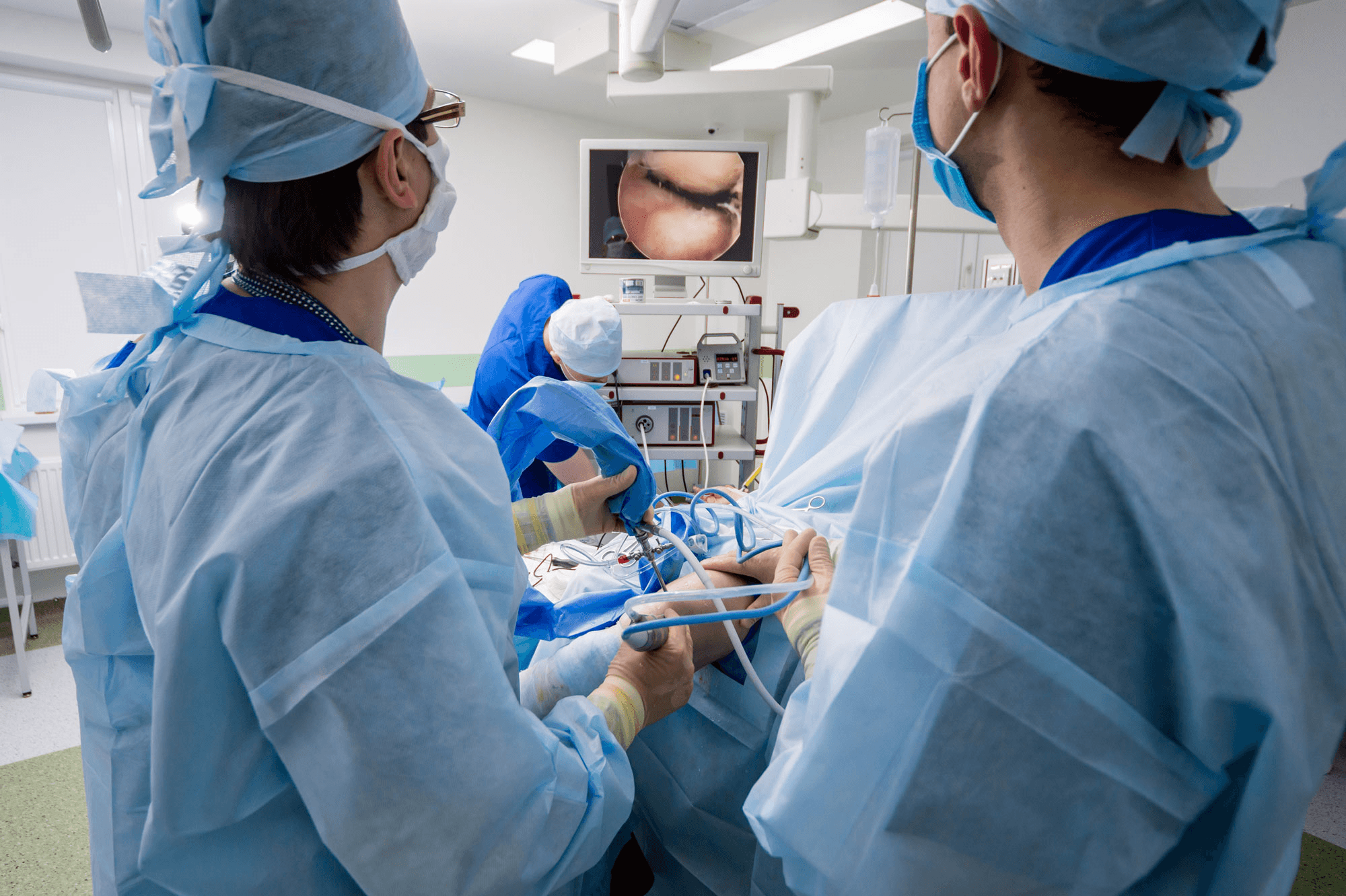
Recent studies on gel-based cartilage therapies have shown promising results. Animal research has demonstrated new cartilage growth and better joint function following hydrogel treatment. Early human trials report good safety records and improvements in mobility. One clinical study observed that “the mean IKDC patient values in the CF-group after 3rd and 6th months were significantly improved from the preoperative values (p<0.05). This improvement remained up to one year follow-up” (Schneider, 2016). MRI scans further revealed that “the implant shows a perfect integration to the adjacent cartilage right from the beginning and by time an impressive maturation of the reconstructed cartilage” (Schneider, 2016). Similarly, a recent study involving an acellular collagen matrix noted “an improvement in pain symptoms, associated with an increase in force in the pincer and grip movements” (Corain et al., 2023). MRI findings also showed “a change in the joint profile in patients subjected to infiltration, in some patients with reduction of bone oedema and periarticular effusion” (Corain et al., 2023). Despite these encouraging early results, more extensive and longer-term studies are needed. Innovative delivery methods, such as using a combination of curette and needle during arthroscopy, have also been explored to “facilitate the implantation of biologic and injectable materials” (Perez-Carro et al., 2021). Experts stress that larger and longer trials are essential before these therapies can become standard practice. While these cartilage repair innovations offer great hope, cautious optimism is advised.
Ideal Candidates and Future Potential of Gel-Based Therapies
The best candidates for regenerative hydrogel treatments are typically younger, active adults with isolated cartilage damage rather than widespread joint disease. Clinical trials often select patients with this profile as they are more likely to benefit from regeneration. Looking ahead, experts believe these therapies could revolutionise orthopaedic care by reducing the need for traditional surgery, providing less invasive options with quicker recovery times. For anyone wondering how to regrow cartilage with gel, it is wise to choose specialised centres that combine clinical expertise with comprehensive patient support and education.
Highlight on Professor Paul Lee and London Cartilage Clinic
Professor Paul Lee is a highly respected figure in orthopaedics and rehabilitation, with vast clinical experience in cartilage repair. He serves as a Cartilage Expert for the Royal Society of Medicine (RSA) and holds prestigious ambassador and advisory roles with the Royal College of Surgeons of Edinburgh. London Cartilage Clinic reflects these high standards, providing an environment focused on patient recovery and education about regenerative treatment options. While no treatment can guarantee results, consulting recognised experts like Professor Lee can help patients make the best-informed decisions for their individual needs.
Conclusion and Responsible Medical Advice
Regenerative hydrogel therapies represent a promising new frontier in cartilage repair, offering potential alternatives to conventional surgery for knee cartilage damage. As research continues to develop, these innovative gels may redefine treatment options and improve long-term joint health for many people. However, it remains vital for anyone considering such treatments to stay informed and consult qualified healthcare professionals for personalised advice. For individual medical advice, please consult a qualified healthcare professional.
References
- Perez-Carro, L., Rosi Mendoza Alejo, P., Gutierrez Castanedo, G., Menendez Solana, G., Fernandez Divar, J. A., Galindo Rubin, P., & Alfonso Fernandez, A. (2021). Hip Chondral Defects: Arthroscopic Treatment With the Needle and Curette Technique and ChondroFiller. Arthroscopy Techniques, 10(5), e1199–e1206. https://doi.org/10.1016/j.eats.2021.03.011
- Schneider, U. (2016). Controlled, randomized multicenter study to compare compatibility and safety of ChondroFiller liquid (cell free 2-component collagen gel) with microfracturing of patients with focal cartilage defects of the knee joint. International Journal of Case Reports and Images, 7(5), 269–277. https://doi.org/10.5348/VNP05-2016-1-OA-1
- Corain, M., Zanotti, F., Giardini, M., Gasperotti, L., Invernizzi, E., Biasi, V., & Lavagnolo, U. (2023). The Use of an Acellular Collagen Matrix ChondroFiller® Liquid for Trapeziometacarpal Osteoarthritis. Journal of Hand Surgery (European Volume). Advance online publication. https://doi.org/10.1177/19476035251354926
Frequently Asked Questions
- MSK Doctors offers advanced regenerative therapies, led by Professor Paul Lee, an internationally recognised cartilage expert. His experience, prestigious ambassadorial roles, and commitment to patient education set the clinic apart in providing innovative care for knee cartilage damage.
- Gel-based therapies, available at MSK Doctors under Professor Lee, focus on encouraging new cartilage cell growth using advanced hydrogels. Unlike traditional methods that mainly relieve symptoms, these regenerative treatments aim to repair tissue and improve long-term joint health.
- The best candidates are usually younger, active adults with isolated cartilage injury, not widespread disease. Professor Lee and his team at MSK Doctors carefully assess each case to recommend the most appropriate regenerative or surgical options for individual needs.
- Recent studies, including those cited by Professor Lee's clinic, show regenerative gels help new cartilage formation and joint integration. Although early results are promising, experts advise seeking clinics with specialist expertise for the best outcome and latest evidence-based care.
- Professor Lee, a renowned cartilage expert and Royal College of Surgeons ambassador, brings unrivalled experience to MSK Doctors. Patients benefit from cutting-edge therapies, evidence-based recommendations, and a personalised approach, ensuring well-informed decisions about innovative cartilage regeneration treatments.
Next steps
Where to go from here
These routes are selected from the topic and purpose of this article. They are guidance, not a diagnosis or treatment recommendation.
Learn more
Explore cartilage damage
Read the reviewed cartilage damage pathway, including who it may help and what happens next.
Talk to the team
Book a free discovery call
A non-medical call with the team to understand services and choose the right booking route.
Legal & Medical Disclaimer
This article is published by Liquid Cartilage for general information and education only. It does not constitute medical advice, diagnosis, or treatment.
Always seek personalised advice from a qualified healthcare professional before making decisions about your health. Liquid Cartilage accepts no responsibility for errors, omissions, third-party content, or any loss, damage, or injury arising from reliance on this material.
If you believe this article contains inaccurate or infringing content, please contact us at [email protected].