
Effective Exercises for Posterior Cruciate Ligament Injury Rehabilitation
Introduction: Why Rehabilitation Matters After a PCL Injury
The posterior cruciate ligament (PCL) is a crucial stabiliser in the knee, preventing the shinbone from moving too far backwards relative to the thighbone. While PCL injuries are less common than those affecting the anterior cruciate ligament (ACL), they can still seriously affect knee stability and mobility. Without proper rehabilitation, people can face ongoing instability, reduced function, and even long-term joint damage like arthritis. As one recent study puts it, “PCL injuries, though less common, can still significantly disrupt knee joint function and athletic performance.” That’s why targeted exercises to rebuild strength, improve stability, and restore movement are so important. This guide will walk you through the best exercises, expert advice, and useful tips for every stage of your recovery.
Understanding the Recovery Journey: What to Expect
Healing from a PCL injury usually follows a few key stages, whether or not surgery is involved. At first, the focus is on reducing swelling and pain while protecting your injured ligament. Early rehabilitation involves gentle exercises to regain controlled knee movement. As your knee heals, strengthening muscles around the joint and improving stability become the priorities — all tailored to your comfort and progress. For athletes, careful planning is essential: “Detailed assessment and strategic treatment planning for PCL injuries, especially in athletes, is critical for optimal outcomes.” If surgery is part of your recovery, there’s encouraging news too — research shows that different reconstruction techniques lead to similar results in knee stability and patient satisfaction at two years after surgery. Recovery times can vary, so patience and gradual progress are key.
Early Rehabilitation: Gentle Movement to Restore Flexibility
In the initial stage of rehabilitation, your main goal is to reduce swelling and regain safe movement in your knee without straining the healing ligament. Gentle range-of-motion exercises, such as bending and straightening the knee while lying or sitting, help avoid stiffness while keeping things comfortable. Be careful to avoid deep knee bends, twisting motions, or high-impact activities that could cause harm. Conservative care often includes “physiotherapy, anti-inflammatory medication, rest, and bracing” to support healing and reduce inflammation. Using ice and keeping your leg elevated can also help control swelling.
Building Strength and Stability: Key Exercises for Progression
Strengthening the muscles around your knee—especially the quadriceps and hip muscles—is vital to regaining function and preventing future injuries. Start with gentle exercises like static quadriceps contractions and straight-leg raises. As you improve, you can progress to more challenging moves such as mini squats (avoiding deep bends) and step-ups. Hip strengthening exercises like bridging and side leg lifts play an important role in stabilising the knee. Research supports these approaches, noting that “all-inside PCL reconstruction shows similar stability to conventional methods with good patient outcomes and low complications.” Always move to more intense exercises only when you can perform current ones without pain or swelling. Gradually weave them into your daily life or sport routines to make recovery sustainable.
Free non-medical discussion
Not sure what to do next?
Information only · No medical advice or diagnosis.
Managing Common Recovery Concerns: Swelling, Mobility and Getting Back to Your Routine
Many people wonder how to handle swelling, improve flexibility, and safely return to everyday life. Continued elevation and cold packs are effective for managing swelling alongside gentle flexibility exercises that maintain your joint’s suppleness. Careful planning is crucial: “Detailed assessment and strategic treatment planning for PCL injuries” helps ensure a safe return to sport or work. In complex cases involving multiple ligaments, a patient was able to “return to collegiate football 11 months after surgery,” highlighting what’s possible with dedication and expert support. Always watch for signs like increased pain, swelling, or instability—they could mean you need to rest more or seek further medical advice. Start with light walking and low-impact activities, increasing gradually as your confidence and strength grow.

The Value of Expert Support: Why Professional Guidance Matters
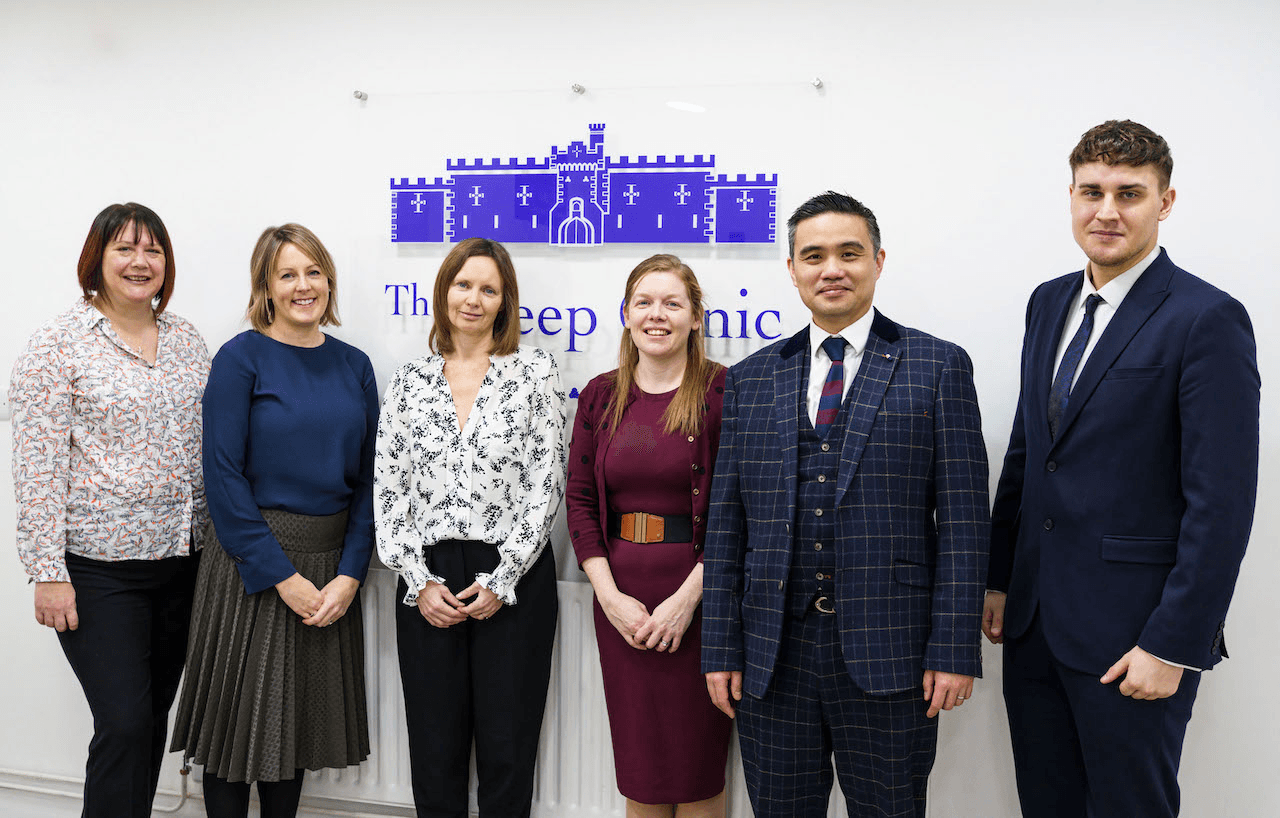
Professor Paul Lee, a leading orthopaedic specialist at the London Cartilage Clinic, has vast experience treating PCL and other knee ligament injuries. The clinic offers a professional, supportive atmosphere where rehabilitation plans are tailored to each patient’s needs. Working with knowledgeable healthcare professionals ensures personalised care, careful progress monitoring, and adjustments as needed. As confirmed by research, “detailed assessment and strategic treatment planning…discusses current classification, conservative vs. operative indications, and rehabilitation.” Consulting a qualified clinician early on and throughout your recovery can make a significant difference in your outcome.
Home Exercises: Taking Charge of Your Recovery Safely
Once you’re past the early phases, home exercise programmes can be a great way to complement professional therapy. Try gentle knee bends within pain limits, quadriceps sets, bridges, and hip strengthening moves. Clear instructions on technique, frequency, and progression are essential. Always listen to your body—if something causes pain or worsens symptoms, stop and seek advice. Combining expert guidance with consistent self-care can empower you to take control of your rehabilitation and achieve the best results.
Conclusion: Commitment and Care Lead to Recovery
Rehabilitation after a PCL injury is a gradual process that relies on progressive exercises, patience, and expert support. Strength, stability, and confidence all grow step by step. Remember, for personalised advice and a safe, effective rehab plan, always consult a qualified healthcare professional.
References
- Kirtick Poovendran & Lavanya Chandran. (2025). MRI-Confirmed Partial PCL Injury Managed Conservatively in a Football Player: A Case-Based Insight. International Journal of Innovative Science and Research Technology, 2025. https://doi.org/10.38124/ijisrt/25jun038
- Buranapuntaruk, T., Boonchaliaw, N., & Itthipanichpong, T. (2024). Retrospective cohort study comparing postoperative joint stability between all-inside PCL reconstruction technique and conventional PCL reconstruction technique in patients with multiligament knee injury. Asia-Pacific Journal of Sports Medicine, Arthroscopy, Rehabilitation and Technology. https://doi.org/10.1016/j.asmart.2024.07.001
- Joreitz, R., Lott, A., Hughes, J. D., Herrman, E., & Musahl, V. (2024). Rehabilitation Following Repairs of the PCL, MCL, and Medial Meniscus Root in a Collegiate Football Player. JOSPT Cases. https://doi.org/10.2519/josptcases.2024.0075
Frequently Asked Questions
- Professional guidance, such as that offered at MSK Doctors by Prof Paul Lee, ensures your rehabilitation is tailored, safe and adapted as you progress, improving outcomes. Prof Lee’s experience as a cartilage expert provides invaluable oversight for complex cases and effective recovery.
- MSK Doctors use a patient-focused approach, offering detailed assessment and strategic planning for every PCL injury. Under Prof Paul Lee’s leadership, patients benefit from advanced knowledge and custom rehabilitation plans, ensuring careful progress for athletes and non-athletes alike.
- Professor Paul Lee is a renowned Cartilage Expert, Regional Surgical Ambassador, and advisor to the Royal College of Surgeons of Edinburgh. His advanced expertise in treating complex knee ligament injuries gives patients at MSK Doctors outstanding clinical support and care.
- MSK Doctors’ rehabilitation plans feature gentle range-of-motion exercises, progressive muscle strengthening, and tailored stability work. Patients benefit from expert technique instruction and personalised progression, guided by Prof Paul Lee’s deep experience in PCL injury management.
- MSK Doctors recommend a structured plan involving joint elevation, cold packs, and supervised flexibility exercises. Prof Paul Lee and his team closely monitor recovery, providing responsive advice to ensure safety while you gradually return to daily activities and confidence.
Legal & Medical Disclaimer
This article is written by an independent contributor and reflects their own views and experience, not necessarily those of Liquid Cartilage. It is provided for general information and education only and does not constitute medical advice, diagnosis, or treatment.
Always seek personalised advice from a qualified healthcare professional before making decisions about your health. Liquid Cartilage accepts no responsibility for errors, omissions, third-party content, or any loss, damage, or injury arising from reliance on this material.
If you believe this article contains inaccurate or infringing content, please contact us at [email protected].