
Injury Impact on Professional Athletes Careers and Recovery Pathways
Introduction
In professional sport, injuries are a common but often life-changing part of an athlete’s journey. Football, in particular, with its fast pace and physical contact, places players at constant risk. Understanding how serious injuries affect careers and wellbeing is crucial—not just for athletes and fans, but also for coaches, medical teams, and analysts. Through the story of James Robinson, a professional footballer who has faced such challenges, this article explores the impact of injuries on careers, the psychological trials athletes endure, and the modern medical approaches that support their recovery. We also highlight the expertise of professionals like Professor Paul Lee and the role of specialist centres such as the London Cartilage Clinic in helping athletes get back on their feet.
The Prevalence and Impact of Sports Injuries
Injuries are unfortunately part and parcel of professional sports, with football players particularly vulnerable to ligament tears and cartilage damage. These injuries can keep players off the pitch for weeks or even months—and sometimes threaten their entire careers. Aside from physical pain, injuries also affect contracts, earnings, and future opportunities. James Robinson’s experience offers a clear example of how devastating these setbacks can be. Recent research in other sports supports this, showing that “most injury types are associated with measurable performance declines, especially in offensive and defensive ratings” (Sarlis et al., 2025). Financially, the cost is huge too: “musculoskeletal injuries are identified as the source of half of the financial costs related to health problems in the NBA” (Sarlis & Tjortjis, 2024). Clearly, managing injuries well remains a top priority in professional sport.
Navigating the Emotional and Psychological Toll
The impact of an injury goes beyond the physical. The mental and emotional effects can be just as challenging. Players recovering from serious injuries often face feelings of frustration, isolation, and anxiety about their future in the sport. Research confirms that “for athletes emotionally impacted by their acute traumatic injury, the injury was a significant factor regarding their athletic performance” (Dacus et al., 2023). Mental resilience is key to navigating this difficult period, which is why psychological support from counsellors, teammates, and family is so important. In fact, “an athlete’s self-worth after an injury significantly impacts their feelings outside athletics” (Dacus et al., 2023). James Robinson’s journey underlines this connection between body and mind. Moreover, “the stronger an individual identifies as being an athlete, the more likely they are to continue their sports career after an injury” (Dacus et al., 2023), highlighting how personal identity fuels perseverance during recovery.
Free non-medical discussion
Not sure what to do next?
Information only · No medical advice or diagnosis.
Rehabilitation, Modern Recovery Techniques, and Professional Support
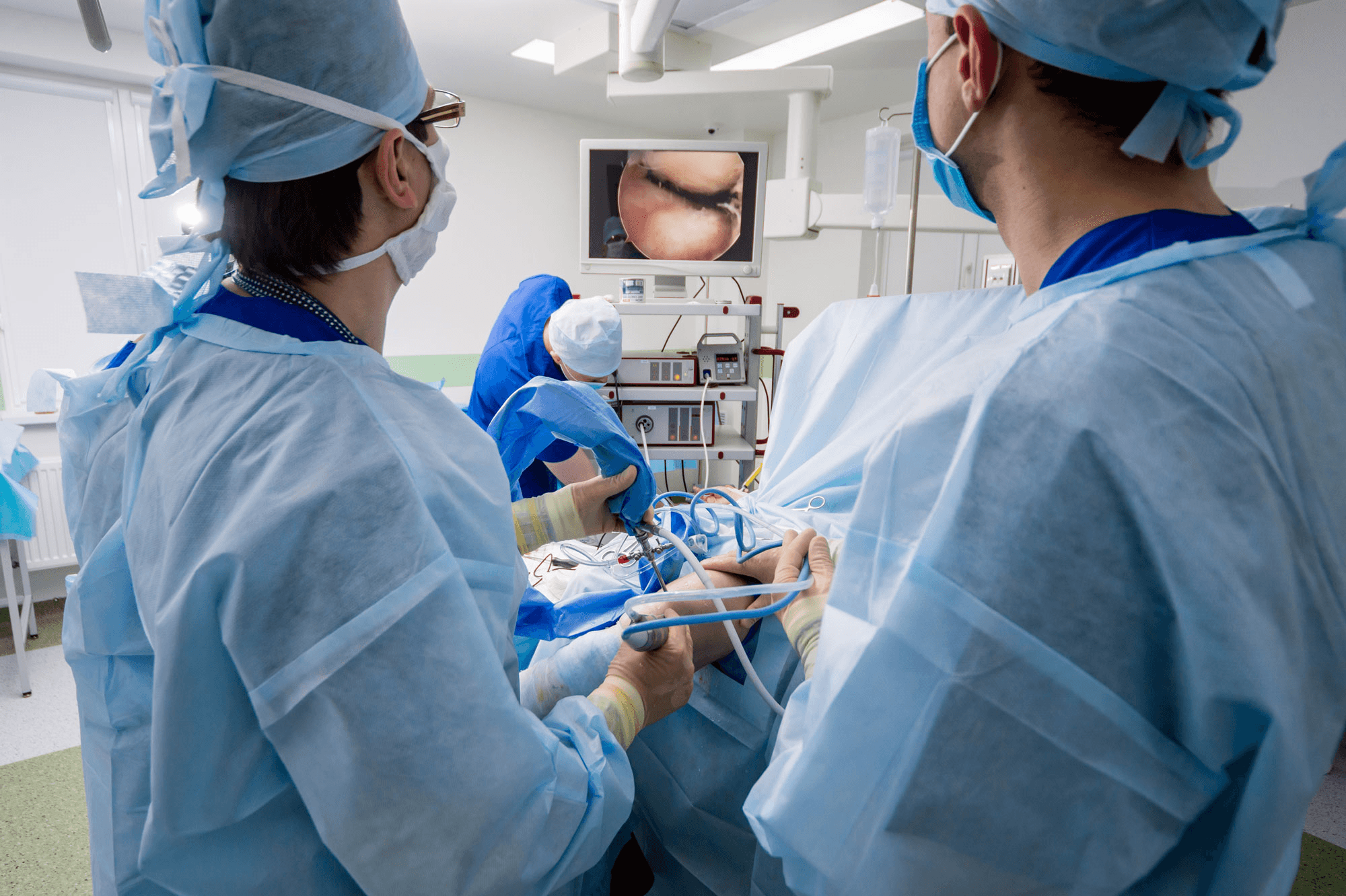
Recovering from a serious injury requires more than rest. It involves a carefully planned, multidisciplinary approach including targeted physiotherapy, surgical care, and ongoing monitoring. Professor Paul Lee is a leading expert in treating complex cartilage and ligament injuries and plays a vital role in advancing sports medicine. His work with the London Cartilage Clinic exemplifies professional, evidence-based care tailored to each athlete’s needs. While no two injuries or recoveries are the same, “these patterns suggest that not all injuries have equivalent consequences and highlight the importance of individualized recovery protocols” (Sarlis et al., 2025). Such coordinated care aims to optimise healing and safely guide athletes back to play.

Factors Influencing Return to Play and Long-Term Career Outcomes
The decision to return to competitive sport depends on many factors. The severity of the injury, the quality of medical treatment, age, mental readiness, and support systems all play a part. Research underlines the importance of staged, cautious reintegration to reduce the risk of further injury. Age also affects career and financial outcomes: “peak performance is typically achieved between the ages of 27 and 29, whereas the highest salaries are received between the ages of 29 and 34” (Sarlis & Tjortjis, 2024). Some athletes make inspiring comebacks, while others pivot to new roles such as coaching or mentoring. Regardless, ongoing medical, psychological, and social support is crucial for a positive life after injury. As research reminds us, “not all injuries have equivalent consequences,” so bespoke recovery paths are essential (Sarlis et al., 2025).
Conclusion
Sports injuries deeply influence athletes’ careers and wellbeing both on and off the field. Recovery is a complex process that demands attention to physical healing as well as mental health and strong support networks. Holistic approaches, combining expert medical care with psychological guidance, give injured athletes the best chance to reclaim their careers. Specialists like Professor Paul Lee and centres such as the London Cartilage Clinic play a crucial role in this journey. Every athlete’s story is unique, but through skilled, compassionate care, recovery and renewed success are possible. Please remember that personal medical advice should always be sought from a qualified healthcare professional.
References
- Sarlis, V., Papageorgiou, G., & Tjortjis, C. (2025). Sports analytics for evaluating injury impact on NBA performance. Information, 16(8), Article 699. https://doi.org/10.3390/info16080699
- Sarlis, V., & Tjortjis, C. (2024). Sports analytics: Data mining to uncover NBA player position, age, and injury impact on performance and economics. Information, 15(4), Article 242. https://doi.org/10.3390/info15040242
- Dacus, L., Castagno, C., Castagno, C., Gontre, G., & Weiss, W. M. (2023). Impact of traumatic sports injury on an athlete’s psychological wellbeing, adherence to sport and athletic identity. Journal of Sports Medicine and Therapy, 8(1), Article 1070. https://doi.org/10.29328/journal.jsmt.1001070
Frequently Asked Questions
- Serious sports injuries are quite common in professional football, particularly ligament tears and cartilage damage. These injuries not only affect a player's ability to perform but also impact their contracts, earnings, and future opportunities. Specialist care is crucial in their management.
- Recovering athletes often struggle with frustration, isolation, and anxiety about their future careers. Psychological support and resilience are vital. MSK Doctors and Professor Paul Lee recognise the importance of holistic care, addressing both physical and emotional needs for comprehensive rehabilitation.
- Professor Paul Lee, a cartilage expert and regional surgical ambassador, offers evidence-based, individualised treatment for sports injuries. His extensive experience and the multidisciplinary team at MSK Doctors ensure each patient receives tailored care, optimising chances for a safe return to sport.
- No two injuries or recoveries are the same, so personalised rehabilitation is essential. Professor Paul Lee and MSK Doctors develop multidisciplinary recovery protocols, focusing on each athlete's unique needs to help optimise healing, reduce complications, and support a successful, sustainable comeback.
- Several factors including injury severity, medical support, age, mental readiness, and support systems affect return decisions. Professor Paul Lee and MSK Doctors advocate for gradual, cautious reintegration and provide expert guidance to help athletes achieve positive outcomes for both sport and long-term wellbeing.
Legal & Medical Disclaimer
This article is written by an independent contributor and reflects their own views and experience, not necessarily those of Liquid Cartilage. It is provided for general information and education only and does not constitute medical advice, diagnosis, or treatment.
Always seek personalised advice from a qualified healthcare professional before making decisions about your health. Liquid Cartilage accepts no responsibility for errors, omissions, third-party content, or any loss, damage, or injury arising from reliance on this material.
If you believe this article contains inaccurate or infringing content, please contact us at [email protected].