
Arthroscopic Knee Surgery Steps and Benefits for Faster Recovery
1. What is Arthroscopic Knee Surgery?
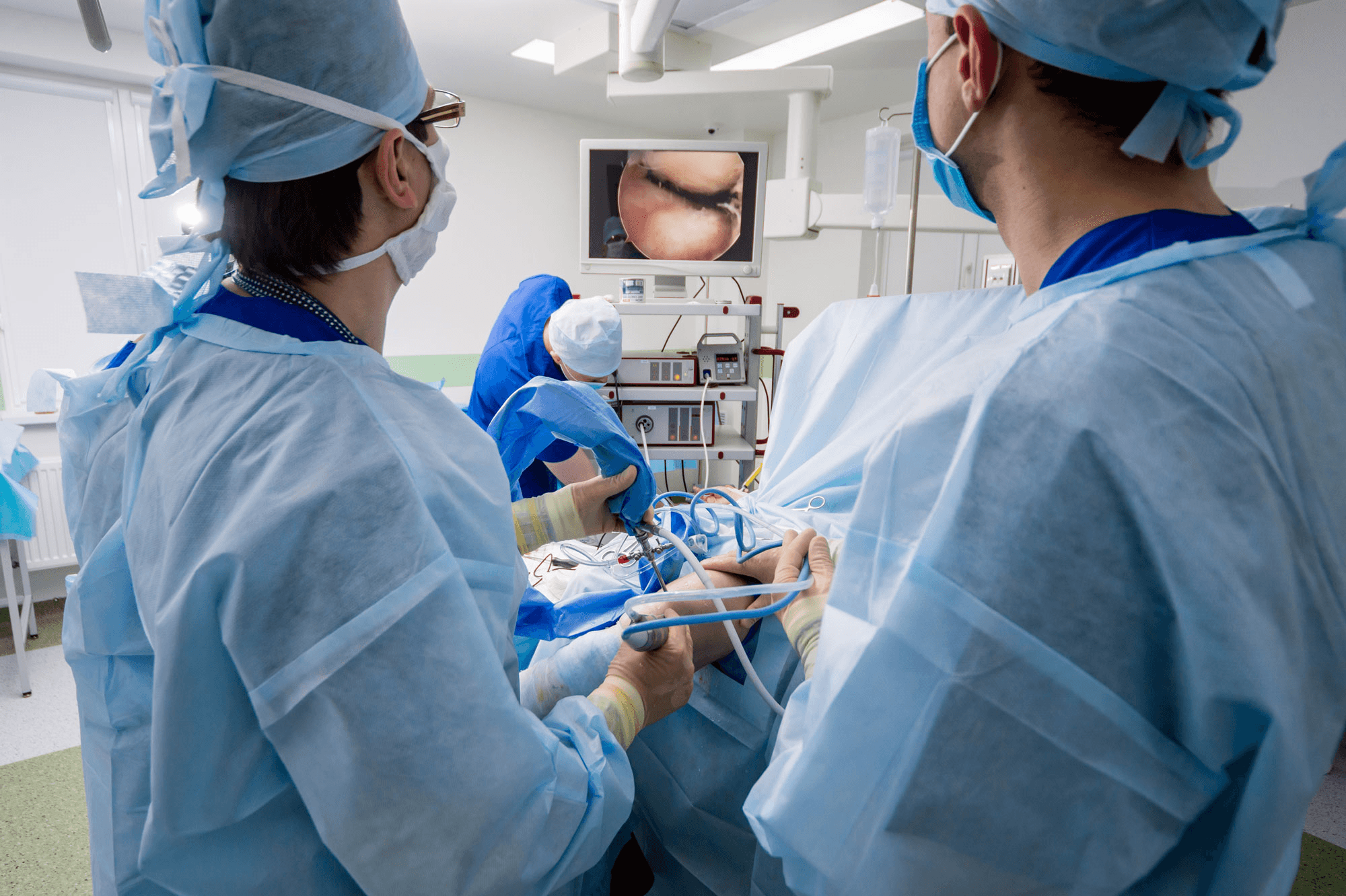
Arthroscopic knee surgery involves the use of a tiny camera and small surgical instruments inserted through very small cuts around the knee. This allows surgeons to look inside the joint and treat issues without needing the large incisions typical of traditional open surgery.
This minimally invasive approach means less trauma to the surrounding tissues, smaller scars, and usually a much quicker recovery. Arthroscopy is frequently used to address common problems such as torn menisci—the cartilage cushions within the knee joint—cartilage damage, and loose fragments inside the knee. These advantages have made it a popular choice for both diagnosing and treating knee complaints.
2. Preparing for the Procedure
Before surgery, you’ll undergo a thorough assessment that typically involves consultations with your surgeon, a physical examination, and imaging tests like MRI scans to pinpoint the problem accurately.
Clinics such as the London Cartilage Clinic pride themselves on providing a calm, professional environment where patients can feel fully supported and well informed before their procedure. On the day of surgery, careful leg positioning and meticulous cleaning of the surgical site ensure a sterile field to minimise infection risk. Your anaesthetic options—usually either a general anaesthetic, which means you’re asleep, or a spinal anaesthetic, numbing the lower part of your body—will be discussed in detail.
Under the expert guidance of surgeons like Professor Paul Lee, patients are helped to feel comfortable and confident in the run-up to surgery.
Free non-medical discussion
Not sure what to do next?
Information only · No medical advice or diagnosis.
3. Step-by-Step: What Happens During Arthroscopic Knee Surgery?
The arthroscopic procedure is carried out in several clear stages:
- Anaesthesia and Positioning: Once anaesthetised, you’ll be positioned on the operating table for optimal knee access.
- Tiny Incisions: One or more small cuts, usually about 5 millimetres in length, are made around the knee.
- Inserting the Arthroscope and Instruments: A slender camera called an arthroscope is inserted through one incision, while miniature surgical tools go in through others.
- Viewing Inside the Knee: The surgeon watches high-definition images from inside your knee on a screen, allowing precise examination.
- Repairing or Removing Damaged Tissue: Any torn cartilage, damaged ligaments or debris is carefully treated or removed using the instruments.
- Flushing, Closing, and Dressing: The joint is gently flushed to clear residual debris, the tiny incisions are closed with sutures or steri-strips, and sterile dressings are applied.
Professor Paul Lee’s experience ensures each step is performed carefully to reduce trauma, promoting the best possible outcome.

4. Minimally Invasive Benefits and Typical Recovery
The minimally invasive nature of arthroscopic surgery offers significant benefits compared with traditional open surgery. Patients usually experience less pain and swelling after the procedure, noticeably smaller scars, and a faster return to daily life.
Technological advances are also shaping how surgeons prepare and train. As research explains: “The use of digital twins to represent a product or process digitally is trending in many engineering disciplines. This term has also been recently introduced in the medical field” (Bjelland et al., 2022). This means patient-specific digital models may soon enhance surgical training and planning.
Postoperative care also includes careful pain management, which recent studies show is often overestimated. “Opioids are commonly overprescribed after simple knee arthroscopy...the authors recommend that 4 pills be prescribed after simple arthroscopic knee surgery” (Scarcella et al., 2022). This suggests many patients need only minimal pain relief after surgery—but individual needs should always be assessed.
Some surgeons use injections following surgery to aid recovery. However, “Hyaluronic acid (HA) intra-articular injection after arthroscopic knee surgery has been widely applied but its efficacy and safety remain controversial” (Mao et al., 2022). This means your healthcare team will tailor treatments carefully to what suits you best.
Most patients begin gentle movement within days and can usually resume normal activities within a few weeks. Throughout this time, clinics like the London Cartilage Clinic provide ongoing professional support with physiotherapy advice and progress monitoring to help you recover as smoothly as possible.
5. Risks, Complications, and Responsible Considerations
As with any surgery, arthroscopic knee procedures carry some risks. These include infection, bleeding, blood clots, nerve irritation, and joint stiffness. Although complications are rare, recognising symptoms early and communicating with your doctor is essential.
Encouragingly, technology is playing an increasing role in improving surgical safety. One recent review notes: “A novel macro-level conceptual arthroscopic digital twin system is presented, and the applicability of the review findings for the identified subsystems are discussed” (Bjelland et al., 2022). This promises a future where surgeries are even more carefully planned and monitored with the help of advanced digital tools.
It’s important to have realistic expectations and maintain open communication with your healthcare team. Personalised medical advice is always the best way to ensure safety and success.
By understanding what arthroscopic knee surgery involves, step by step, patients can feel more empowered and less apprehensive about their procedure. Under the expert care of Professor Paul Lee and the London Cartilage Clinic team, a focus on safety, comfort and positive outcomes is at the heart of the patient experience.
For advice tailored specifically to your situation, please consult a qualified healthcare professional. Using diagrams or visual aids can also be very helpful in understanding this modern surgical technique and supporting your recovery journey.
References
- Bjelland, Ø., Rasheed, B., Schaathun, H. G., Pedersen, M. D., Steinert, M., Hellevik, A. I., & Bye, R. T. (2022). Toward a Digital Twin for Arthroscopic Knee Surgery: A Systematic Review. IEEE Access, 10, 44379–44402. https://doi.org/10.1109/ACCESS.2022.3170108
- Scarcella, M., Farrow, L., Jones, M. H., Rosneck, J. T., Briskin, I., & Spindler, K. (2022). Opioid Use After Simple Arthroscopic Knee Surgery. The American Journal of Sports Medicine, 50(6), 1566–1573. https://doi.org/10.1177/03635465221080788
- Mao, B., Pan, Y., Zhang, Z., Yu, Z., Li, J., & Fu, W. (2022). Efficacy and Safety of Hyaluronic Acid Intra-articular Injection after Arthroscopic Knee Surgery: A Systematic Review and Meta-analysis. Orthopaedic Surgery, 14(8), 1577–1590. https://doi.org/10.1111/os.13602
Frequently Asked Questions
- Arthroscopic knee surgery is minimally invasive, resulting in smaller scars, less pain, quicker recovery, and less trauma. Clinics like MSK Doctors, led by Prof Paul Lee, offer expert care using this advanced approach, helping patients return to daily activities faster and more comfortably.
- Patients receive a thorough assessment, which includes consultations, physical examination, and imaging such as MRI. Under Prof Paul Lee’s guidance, MSK Doctors provide a supportive environment, ensuring patients feel comfortable and informed throughout the entire preparation process before surgery.
- Prof Paul Lee follows a step-by-step approach, using tiny incisions and advanced instruments to treat knee problems. His expertise ensures care at every stage, from anaesthesia to closing incisions, aiming to reduce trauma and support optimal recovery tailored for each patient.
- Recovery is typically swift, with less pain and quicker return to activity. MSK Doctors offer professional support, including physiotherapy advice and progress monitoring. Under Prof Lee’s expertise, patients benefit from comprehensive ongoing care, ensuring safe, steady rehabilitation adapted to individual needs.
- All surgeries have risks, such as infection, blood clots, or joint stiffness, though these are rare. Prof Paul Lee and MSK Doctors use advanced technology and safety protocols, focusing on early complication recognition and personalised care for safer experiences and better reassurance for patients.
Legal & Medical Disclaimer
This article is written by an independent contributor and reflects their own views and experience, not necessarily those of Liquid Cartilage. It is provided for general information and education only and does not constitute medical advice, diagnosis, or treatment.
Always seek personalised advice from a qualified healthcare professional before making decisions about your health. Liquid Cartilage accepts no responsibility for errors, omissions, third-party content, or any loss, damage, or injury arising from reliance on this material.
If you believe this article contains inaccurate or infringing content, please contact us at [email protected].