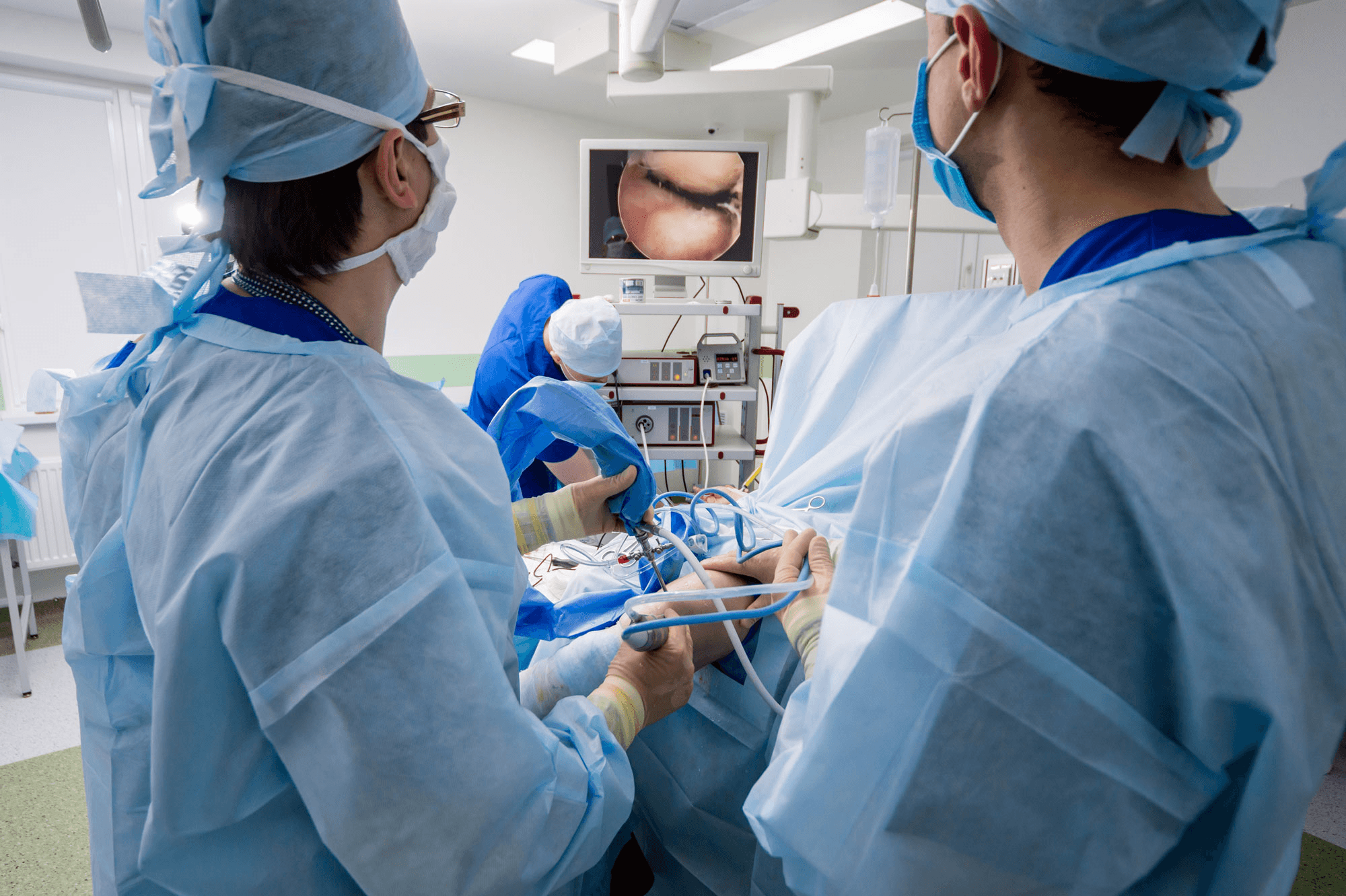

Total Knee Replacement Recovery Timeline and Key Milestones
Introduction
Total knee replacement surgery is a major step towards regaining mobility and easing pain for many people with knee problems. Knowing what to expect during recovery is important not only for patients but also for their families. It helps set realistic goals and provides reassurance during what can feel like a challenging time. This article offers clear, practical advice about the key stages of recovery, important milestones, and the support available throughout the process.
Immediate Postoperative Care: The First Steps after Surgery
Right after total knee replacement surgery, patients usually stay in hospital for close monitoring and initial care. The medical team focuses on checking vital signs, managing pain effectively, and preventing complications. Pain relief options are tailored to individual needs and may include medication and other therapies. Early movement is encouraged—often from the first day after surgery—to improve circulation and reduce stiffness. Experienced orthopaedic specialists, including Professor Paul Lee, lead hospital teams in ensuring patients feel safe and comfortable during these crucial first days. Clinics like the London Cartilage Clinic provide a professional and supportive environment, helping patients feel confident as they start their recovery.
Key Milestones in the Recovery Timeline
Recovery after knee replacement surgery generally follows a clear timeline, beginning with hospital discharge and continuing as patients adjust at home. During the first few weeks, patients progress from standing with help to walking short distances using aids like crutches or walkers. Independence grows gradually, allowing many to resume light daily tasks such as dressing and gentle household chores. Although pain usually eases with time, managing it carefully supports healing and mobility. It’s important to set realistic expectations — while some patients make significant progress within months, full recovery can take longer. Every person’s experience is different, so patience is key to success.
Free non-medical discussion
Not sure what to do next?
Information only · No medical advice or diagnosis.
The Crucial Role of Physical Therapy in Recovery
Physical therapy is essential in recovery, helping restore strength, flexibility, and knee function. Therapy focuses on exercises that improve range of motion and build the muscles around the knee. These exercises are typically done regularly under a physiotherapist’s guidance, with additional routines to follow at home. Recent research stresses the importance of objective monitoring, noting that, “Rehabilitation following total knee replacement (TKR) principally aims to reduce pain and restore knee muscle strength and function, which necessitates objective monitoring” (Liang et al., 2025). New methods such as virtual reality tools (VRT) are also being explored. One review found that “an augmented VRT physical therapy intervention that is specifically-oriented to enhance balance could be more effective for overcoming balance limitations than standard physical therapy” (Blasco et al., 2019). However, for improving pain relief and overall function, “rehabilitation with VRT has no advantage over conventional training for enhancing function, resolving pain, or increasing patient satisfaction after TKR” (Blasco et al., 2019). Furthermore, it is increasingly recognised that traditional rehabilitation has focused mainly on physical function, overlooking important elements like social participation and environmental support. As stated, “traditional rehabilitation has only focused on physical function; a systemic analysis of other dimensions such as social participation and environmental factors of post TKA rehabilitation is lacking” (Huang et al., 2021). To address this, a more comprehensive approach has been developed: “an ICF core set for post TKA rehabilitation [that] can provide information on effective rehabilitation strategies and goal setting for patients post TKA” (Huang et al., 2021). To gain the most benefit from physiotherapy, patients should attend sessions regularly and follow their exercise plans closely. Professor Paul Lee’s extensive experience highlights the value of personalised, multidisciplinary care. The London Cartilage Clinic follows this approach, offering tailored plans that support each patient’s journey to recovery.

Addressing Common Concerns and Planning for Everyday Life
It’s natural to wonder about pain levels after surgery, how long full recovery takes, and which activities are safe—or should be avoided. Some discomfort and swelling are normal as the knee heals, but ongoing or severe pain should always be discussed with a healthcare professional. Recovery times vary but often last several months, during which high-impact activities and heavy lifting should be avoided. Practical tips include adapting the home environment to reduce falling risks, arranging assistance if needed, and slowly resuming physical activities as comfort improves. Maintaining open communication with healthcare providers is essential for receiving personalised advice, helping patients recover safely and confidently.
Conclusion and Responsible Disclaimer
In summary, recovering from total knee replacement involves distinct stages supported by expert care and structured physical therapy. Understanding the timeline and key milestones can help patients approach their recovery with confidence. The expertise of orthopaedic teams and personalised rehabilitation plans plays a crucial role in achieving the best results. Each patient’s recovery is unique, and ongoing support greatly improves the chance of regaining mobility and improving quality of life. For individual medical advice, please consult a qualified healthcare professional.
References
- Liang, L., Yao, T., Tehrany, R., Player, D., Carlson, T., Demosthenous, A., & Wu, Y. (2025). Evaluating the Feasibility of Electrical Impedance Tomography for Monitoring Knee Angle and Muscle Strength: Towards Application in Total Knee Replacement Rehabilitation. IEEE International Symposium on Circuits and Systems. https://doi.org/10.1109/ISCAS56072.2025.11043497
- Blasco, J., Igual-Camacho, C., Blasco, M., Antón-Antón, V., Ortiz-Llueca, Á., & Roig-Casasús, S. (2019). The efficacy of virtual reality tools for total knee replacement rehabilitation: A systematic review. Physiotherapy Theory and Practice. https://doi.org/10.1080/09593985.2019.1641865
- Huang, S.-W., Chen, Y.-W., Escorpizo, R., Liao, C.-D., & Liou, T. (2021). Development International Classification of Functioning, Disability and Health Core Set for Post Total Knee Replacement Rehabilitation Program: Delphi-Based Consensus Study in Taiwan. International Journal of Environmental Research and Public Health, 18(4), 1630. https://doi.org/10.3390/ijerph18041630
Frequently Asked Questions
- Patients receive close postoperative monitoring, effective pain management, and begin early movement. Led by Professor Paul Lee, a highly experienced surgical ambassador, MSK Doctors ensures a safe, reassuring environment during these critical first days of recovery.
- Professor Paul Lee is a renowned cartilage expert and Royal College of Surgeon ambassador. His extensive surgical expertise and leadership at MSK Doctors ensure patients receive tailored, multidisciplinary care to optimise knee function and support a positive rehabilitation journey.
- Physical therapy restores knee strength and flexibility. MSK Doctors, guided by Professor Paul Lee, offers personalised rehabilitation plans, combining evidence-based practices with modern techniques to enhance recovery and address all aspects of patient wellbeing.
- The London Cartilage Clinic, part of MSK Doctors, delivers expert-led, patient-focused care. Professor Lee’s leadership ensures comprehensive support, advanced facilities, and a caring team that guides patients through each stage of the recovery process.
- MSK Doctors focuses on open communication and personalised advice. Professor Paul Lee’s team guides lifestyle adjustments, safety measures, and rehabilitation, helping each patient regain mobility and confidence through ongoing expert support tailored to their unique needs.
Legal & Medical Disclaimer
This article is written by an independent contributor and reflects their own views and experience, not necessarily those of Liquid Cartilage. It is provided for general information and education only and does not constitute medical advice, diagnosis, or treatment.
Always seek personalised advice from a qualified healthcare professional before making decisions about your health. Liquid Cartilage accepts no responsibility for errors, omissions, third-party content, or any loss, damage, or injury arising from reliance on this material.
If you believe this article contains inaccurate or infringing content, please contact us at [email protected].