
Injectable Gel Therapies for Cartilage Regeneration and Joint Healing
Introduction: Setting the Scene
Cartilage damage is a common and often frustrating issue that affects joint health, mobility, and quality of life. This special kind of tissue cushions our joints and allows smooth movement, but sadly, when damaged, it has very limited ability to heal itself. Traditional treatments like painkillers, physiotherapy, or joint replacement mainly focus on easing symptoms rather than repairing the damaged cartilage itself. However, there is growing excitement around regenerative treatments—especially gel-based therapies—that aim to restore actual cartilage and preserve joint function in the long term.
This article explores the fascinating world of cartilage regeneration gels, with a focus on injectable hydrogel treatments. Our goal is to clearly explain how these cutting-edge therapies work to regenerate cartilage, going beyond just managing pain. We’ll look into the science behind "cartilage regeneration gel," review current research and clinical progress, and discuss what patients might expect from these treatments.
How Injectable Gels Work: Unpacking the Science
Cartilage is a unique connective tissue that covers the ends of bones in joints. It is mainly made up of specialised cells called chondrocytes embedded in a strong network of collagen and proteoglycans. One important fact is that cartilage does not have its own blood supply, making natural repair very slow and limited when injury occurs. This is why regenerating cartilage is so challenging. Advanced techniques like matrix-induced chondrocyte implantation set the stage for newer approaches, such as injectable gels, that seek to support or replicate these repair mechanisms without the need for major surgery.
Injectable regenerative gels work by filling the cartilage defect with a scaffold—a supportive structure—that encourages new tissue to grow. These hydrogels are often made from biocompatible collagen or synthetic materials infused with active peptides and signalling molecules. These components stimulate the body’s own chondrocytes and attract stem cells, encouraging them to develop into new cartilage cells. Unlike simple lubricant injections that temporarily ease joint movement, these gels aim to regrow actual cartilage tissue by gradually being replaced with natural cartilage. This explains "how do gels regrow cartilage": by providing a nurturing environment that kickstarts real regeneration rather than just relief.
Key Technologies, Products, and Current Clinical Status
One of the leading injectable gel products is Liquid Cartilage™ (also known as ChondroFiller™), a CE-marked collagen-based treatment that forms a gel scaffold directly within cartilage defects. When injected, it solidifies and bonds with surrounding cartilage, helping stem cells migrate and grow. Researchers have observed that “MRI imaging showed a change in the joint profile in patients subjected to infiltration, in some patients with reduction of bone oedema and periarticular effusion” (Corain et al., 2023). Clinical studies have also shown notable improvements in joint function and evidence of cartilage repair on MRI scans within one to two years, especially in knees and hips.
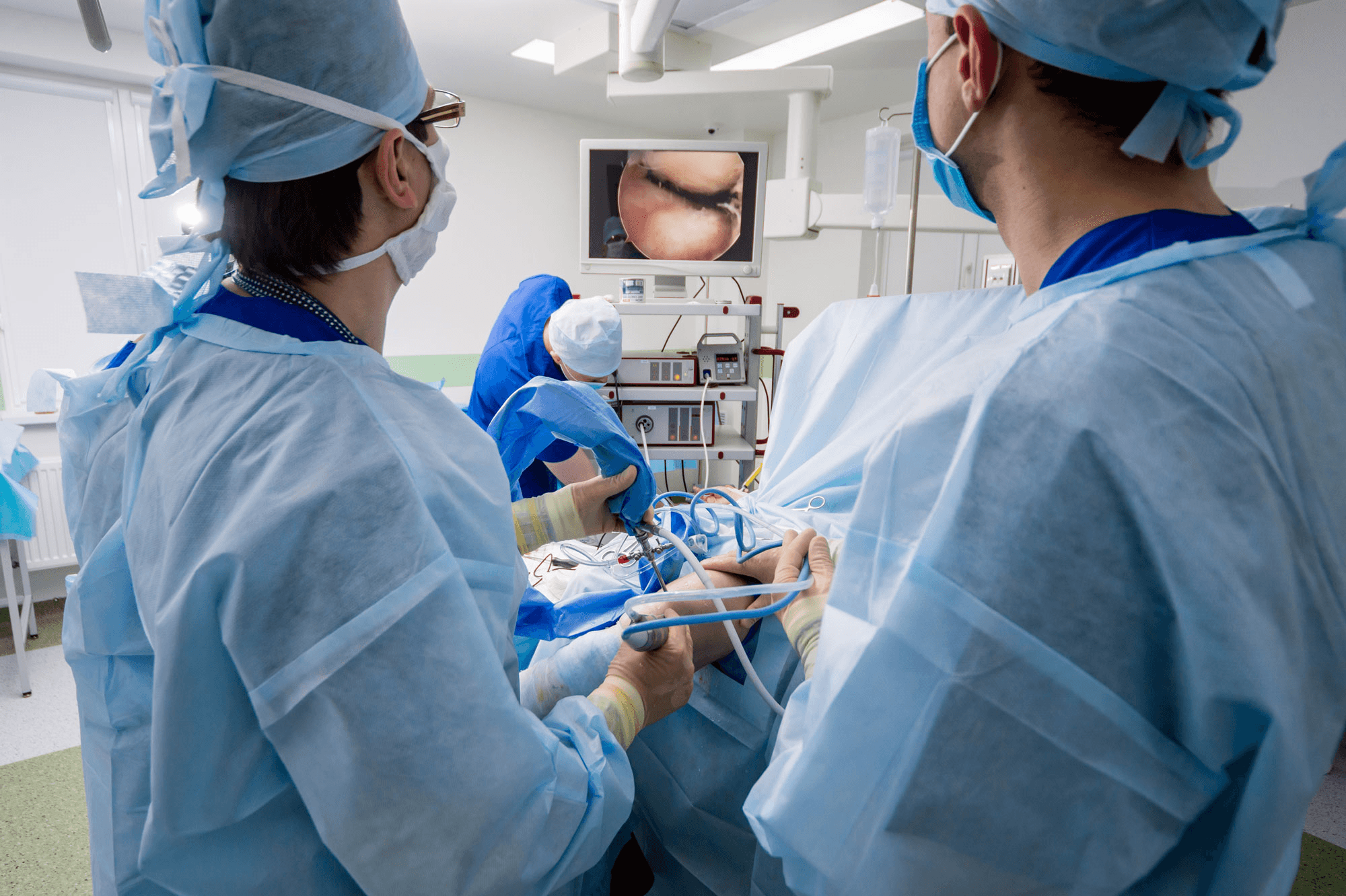
Further evidence comes from a randomised clinical study which found “the implant shows a perfect integration to the adjacent cartilage right from the beginning and by time an impressive maturation of the reconstructed cartilage” (Schneider, 2016). These gels are now also being used in hip joint repairs, where surgeons have developed a simple technique using a curette and needle to deliver the gel accurately during arthroscopy. As one study explains, “ChondroFiller liquid, a liquid cell-free collagen matrix, [is used] for the treatment of symptomatic full-thickness chondral defects of the hip in a 1-step arthroscopic procedure” (Perez-Carro et al., 2021). Unlike permanent fillers, these gels are gradually absorbed and replaced by your own cartilage.
Clinics like the London Cartilage Clinic have been at the forefront of applying these gels in various joints, including ankles and small joints of the hand. Notably, “there was an improvement in pain symptoms, associated with an increase in force in the pincer and grip movements” (Corain et al., 2023). Safety also looks promising, with “no adverse events reported” during follow-up in clinical trials (Schneider, 2016). It’s important to differentiate these regenerative gels from other fillers that don’t regenerate tissue and may carry risks like inflammation or implant shifting. Ongoing clinical trials continue to assess their effectiveness and safety, refining techniques for better patient outcomes.
Expert Insights and Patient Considerations
Not everyone with cartilage damage is a suitable candidate for injectable gel therapies. Generally, patients with smaller, well-defined cartilage defects—around 3 cm² or less—and those who have not found relief with simpler treatments such as physiotherapy or standard injections might benefit most. Patients who are active with stable, well-aligned joints but no advanced arthritis are also good candidates. It is essential to have realistic expectations: these therapies are not miracle cures. They require precise surgical techniques, careful rehabilitation afterwards, and commitment from the patient. As with any treatment, there are risks including incomplete repair or inflammatory responses during healing.
Professor Paul Lee, a leading orthopaedic surgeon and rehabilitation expert, stresses the importance of experienced, multidisciplinary care to achieve the best results. The London Cartilage Clinic offers a professional, patient-focused environment where these therapies are delivered alongside other advanced cartilage repair options, making sure treatment is tailored to each individual’s circumstances.
Frequently Asked Questions and Responsible Advice
How long do results last?
Results can last for several years, though this depends on age, size of the cartilage damage, and following rehabilitation guidelines. The gel scaffold gradually dissolves as new cartilage grows.
What does recovery involve?
Recovery usually includes protected weight-bearing and specific physiotherapy for up to six weeks to support tissue regrowth and joint function.
Are these gels suitable for everyone?
These treatments might not suit patients with widespread joint degeneration or instability. A specialist assessment is necessary to determine suitability.
How do costs compare?
Costs vary widely, from a few thousand pounds for non-surgical injections to more for arthroscopic procedures. Insurance coverage differs and many patients pay privately.
Conclusion and Disclaimer
Injectable cartilage regeneration gels offer an exciting advance in joint care, potentially restoring damaged tissue rather than just controlling symptoms. While current evidence for collagen-based gels is encouraging, continued research and expert application are vital for best results. Anyone considering these treatments should consult a qualified healthcare professional to find the most appropriate option.
For individual medical advice, please consult a qualified healthcare professional.
References
- Corain, M., Zanotti, F., Giardini, M., Gasperotti, L., Invernizzi, E., Biasi, V., & Lavagnolo, U. (2023). The Use of an Acellular Collagen Matrix ChondroFiller® Liquid for Trapeziometacarpal Osteoarthritis. Cartilage. https://doi.org/10.1177/19476035251354926
- Schneider, U. (2016). Controlled, randomized multicenter study to compare compatibility and safety of ChondroFiller liquid (cell free 2-component collagen gel) with microfracturing of patients with focal cartilage defects of the knee joint. Vascular and Nonvascular Phlebology, VNP05-2016-1-OA-1. https://doi.org/10.5348/VNP05-2016-1-OA-1
- Perez-Carro, L., Rosi Mendoza Alejo, P., Gutierrez Castanedo, G., Menendez Solana, G., Fernandez Divar, J. A., Galindo Rubin, P., & Alfonso Fernandez, A. (2021). Hip Chondral Defects: Arthroscopic Treatment With the Needle and Curette Technique and ChondroFiller. Arthroscopy Techniques, 10(5), e1173–e1178. https://doi.org/10.1016/j.eats.2021.03.011
Frequently Asked Questions
- Unlike traditional pain relief, cartilage regeneration gels offer a chance to restore actual cartilage. At MSK Doctors, Prof Paul Lee applies these advanced gels, leveraging his expertise to provide patients with pioneering regenerative options beyond symptom management.
- Patients with small, well-defined cartilage defects who haven’t responded to simple treatments may benefit. Prof Lee’s comprehensive assessment at MSK Doctors ensures personalised care, using his expertise as a Cartilage Expert and Royal College of Surgeons Ambassador to optimise outcomes.
- Prof Paul Lee is a recognised Cartilage Expert, Regional Surgical Ambassador, and trusted advisor to the Royal College of Surgeons of Edinburgh. His expertise at MSK Doctors ensures patients receive the latest, evidence-based regenerative therapies tailored to individual needs.
- After gel treatment at MSK Doctors, patients typically undergo protected weight-bearing and specific physiotherapy. Prof Lee’s multidisciplinary approach ensures careful follow-up and effective rehabilitation, supporting each patient’s journey through advanced cartilage repair and joint recovery.
- Clinical studies report minimal adverse events with these gels. At MSK Doctors, Prof Paul Lee and his team prioritise patient safety by applying rigorous surgical standards and evidence-based protocols, ensuring each individual receives comprehensive care with the latest regenerative techniques.
Next steps
Where to go from here
These routes are selected from the topic and purpose of this article. They are guidance, not a diagnosis or treatment recommendation.
Recovery route
Explore cartilage repair recovery
Continue with practical recovery and patient-journey information.
Talk to the team
Book a free discovery call
A non-medical call with the team to understand services and choose the right booking route.
Legal & Medical Disclaimer
This article is published by Liquid Cartilage for general information and education only. It does not constitute medical advice, diagnosis, or treatment.
Always seek personalised advice from a qualified healthcare professional before making decisions about your health. Liquid Cartilage accepts no responsibility for errors, omissions, third-party content, or any loss, damage, or injury arising from reliance on this material.
If you believe this article contains inaccurate or infringing content, please contact us at [email protected].