
Life After ACL Tear Mobility Risks and Recovery
Introduction
An anterior cruciate ligament (ACL) tear can feel overwhelming and uncertain, bringing many questions about what life will look like afterwards. This injury not only affects the stability of your knee but can also unsettle your peace of mind. In this article, we aim to offer a clear and compassionate guide to what you can expect following an ACL tear — covering your likely mobility, potential risks, and what recovery realistically looks like. Interestingly, some people remain surprisingly mobile despite this injury, which may influence treatment decisions. Our goal is to provide balanced, research-based insights so those newly diagnosed can face the road ahead better informed and more confident.
Understanding the ACL and the Immediate Impact of Injury
The ACL is a key stabiliser inside the knee that connects the thigh bone (femur) to the shin bone (tibia). It controls forward movement and twisting of the shin, helping to keep the knee steady during activities like running, jumping, and quick changes of direction. ACL tears most often happen during sports that involve sudden stops or pivots, but they can also arise from accidents or falls.
Right after an ACL tear, common symptoms include sharp pain, swelling, a feeling of instability, and difficulty putting weight on the leg. However, some people—especially those who aren’t athletes—may still manage to walk or even jog a little. This happens because the muscles around the knee sometimes compensate for the missing ligament, masking instability. So, can you walk with a torn ACL? Yes, but this mobility can be misleading and risky if it causes you to underestimate the injury's seriousness.
Mobility Challenges and Hidden Risks After an ACL Tear
People’s mobility after an ACL tear varies quite a bit. Some naturally adjust their movements or build up muscle strength to compensate, but this rarely fully restores the knee’s natural stability.
Ignoring or downplaying an ACL tear comes with serious risks. An unstable knee is vulnerable to further damage such as meniscal tears, cartilage wear, and early arthritis. These problems can lead to long-term pain, swelling, and difficulty using the joint.
Recent studies have even noted factors outside traditional sporting causes. For example, persistent muscle weakness after COVID-19 could raise the risk of an ACL injury, especially in female athletes. Research suggests “taking a prophylactic rehabilitating programme to prevent its catastrophic consequences” is wise for those returning to sport after illness. This highlights the need for individualised rehab and prevention.
Studies also show different outcomes between athletes and non-athletes. Athletes often need surgery to safely return to their sports, while non-athletes may cope well with targeted rehabilitation. Nevertheless, “risks of untreated ACL tear” remain significant; an unstable knee can cause damage even in everyday activities. Knowing these risks is vital in making treatment decisions.
Free non-medical discussion
Not sure what to do next?
Information only · No medical advice or diagnosis.
Pathways to Recovery: Rehabilitation and Surgical Options
Recovery from an ACL tear typically follows one of two routes: surgical reconstruction or non-surgical rehabilitation. The best choice depends on factors like how active you are, how stable your knee is, any other injuries, and your personal goals.
In the first weeks after injury, treatment focuses on reducing swelling, regaining movement, and strengthening muscles gently. Whether surgery is done or not, physiotherapy is essential. One recent study stated that “physiotherapy intervention is a much beneficial approach for better recovery or to maintain the optimise level of functioning in individual with ACL grade 3 reconstruction.”
A key part of rehab is proprioceptive training, which improves balance and joint awareness. This can greatly speed up recovery and improve quality of life; as another study found, “Proprioceptive training was effective in improving balance and this will also give early recovery and improves the quality of life.” Additionally, a case report noted that after five weeks of physiotherapy following surgery, pain and knee function improved significantly: “Post surgery Physiotherapy intervention program can be the beneficial approach for better and early recovery in grade 3 ACL tear reconstruction.”
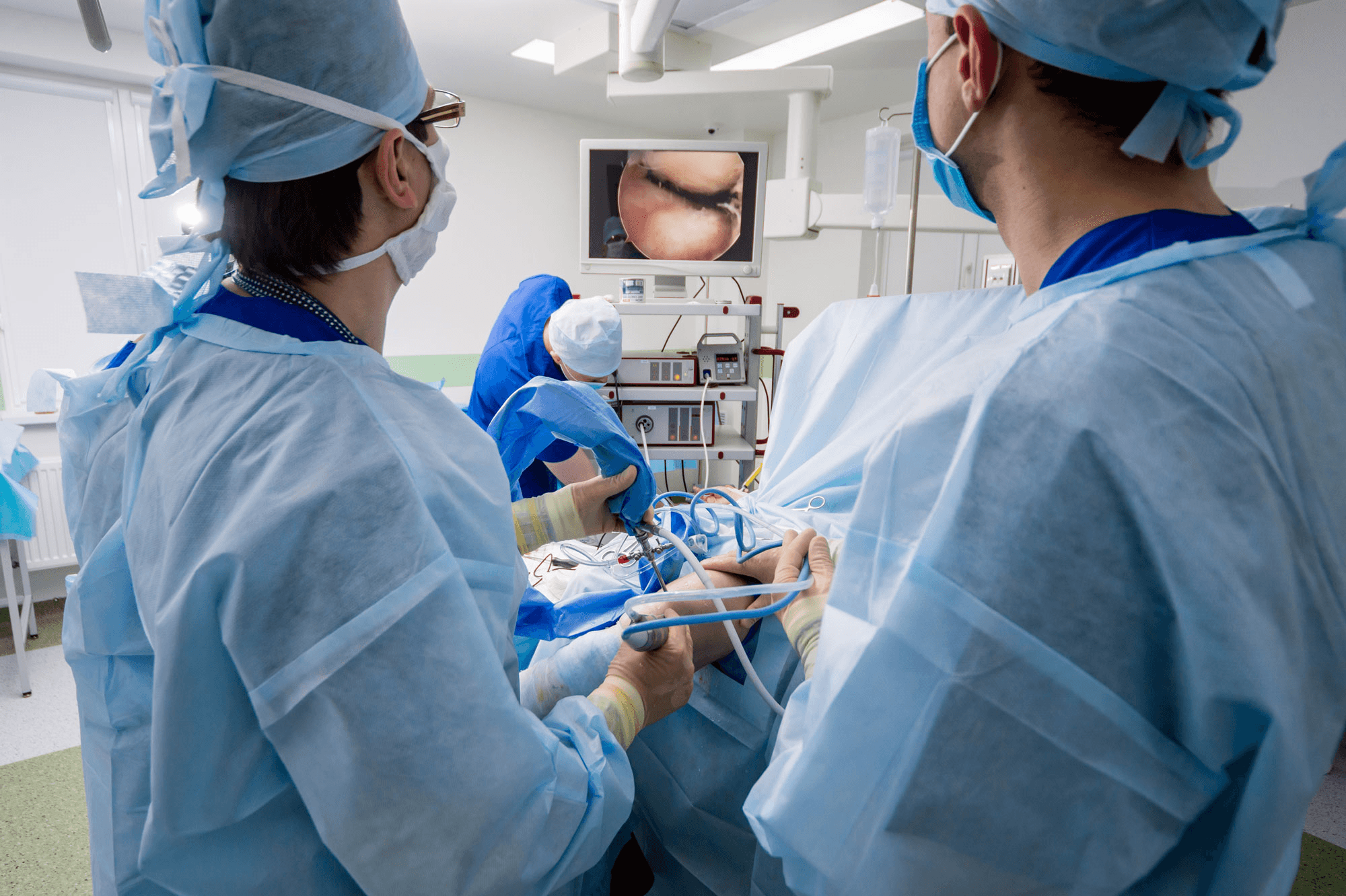
Surgery typically involves replacing the torn ligament with a graft, then months of dedicated physiotherapy. Non-surgical care suits those with lower activity demands or who cannot undergo surgery, but it still needs commitment to rehab and sometimes lifestyle adjustments.
Choosing between these paths should be guided by thorough discussion with an experienced healthcare professional. Renowned orthopaedic expert Professor Paul Lee stresses tailoring treatment plans to the patient within supportive environments like the London Cartilage Clinic.

Living With an ACL Tear: Long-term Considerations and Support Systems
Living with an ACL tear, whether you’ve had surgery or not, means ongoing care and realistic expectations. Many patients regain a good quality of life, but some may still face limitations. Surgery usually offers a better chance of returning to high-impact sports, while rehabilitation without surgery often involves modifying activities and maintaining regular strengthening exercises.
Maintaining long-term joint health is crucial. Watch for signs of instability or pain, and seek medical advice if symptoms arise. Clinics such as the London Cartilage Clinic provide professional, supportive care designed to optimise recovery and reduce risks.
Working with skilled clinicians, such as Professor Paul Lee and his team, helps patients receive expert, personalised guidance—though it’s important to understand that no treatment offers a guaranteed full restoration.
Conclusion
An ACL tear presents clear challenges for mobility and carries risks if untreated. Recovery can be complex, but understanding what to expect—realistic mobility, potential complications, treatment options, and the vital role of expert care—empowers patients to make well-informed decisions about their health, both short and long term. For personalised medical advice, please consult a qualified healthcare professional.
References
- Bansal, M., Sharma, R., Kori, A., & Kanika. (2024). Effectiveness of Physiotherapy Intervention following ACL Reconstruction of Grade 3 ACL Tear: A Case Report. Journal of Clinical and Diagnostic Research, 18(2), 54-56. https://doi.org/10.7860/jcdr/2024/75431.19950
- Torkaman, A., Azizi, A., Kazemi, J., & Mousapour, A. (2022). Post COVID-19 Anterior Cruciate Ligament (ACL) Tear in Twin Sisters After Re-starting Professional Futsal Exercises: A Case Report. Journal of Research in Orthopedic Science, 9(1), e861. https://doi.org/10.32598/jrosj.9.1.861.1
- Kharche, V., Munot, A., Das, B., Malani, R. J., Naqvi, W. M., Wadhokar, O. C., & Kulkarni, C. (2021). Effect of proprioceptive training in ACL tear with meniscal injury. Journal of Medical Pharmaceutical and Allied Sciences, 10(3), 1083. https://doi.org/10.22270/JMPAS.V10I3.1083
Frequently Asked Questions
- You may notice sharp pain, swelling, and a feeling of instability in your knee. Some people can still walk, but this can be misleading, as muscle compensation can mask the severity of the injury and increase risks.
- Delaying care places the knee at risk of further problems, like meniscal tears and cartilage damage. This may lead to long-term pain and swelling. Timely assessment by MSK Doctors or Professor Paul Lee is strongly recommended for expert guidance.
- Treatment generally includes surgical reconstruction or non-surgical rehabilitation. The correct approach depends on activity level, knee stability, and personal goals. Professor Paul Lee, a cartilage expert, offers tailored advice at MSK Doctors for both surgical and non-surgical paths.
- MSK Doctors provides specialist care for knee injuries. Professor Paul Lee is a renowned cartilage expert, Royal College of Surgeons Ambassador, and surgical advisor. Patients benefit from his experience, research-based practice, and personalised treatment plans at the London Cartilage Clinic.
- Most patients recover good function, but outcomes vary. Surgical treatment often helps athletes return to high-impact sports. Professor Paul Lee and MSK Doctors provide comprehensive, realistic support for long-term success, while advising on safe expectations and ongoing joint health management.
Legal & Medical Disclaimer
This article is written by an independent contributor and reflects their own views and experience, not necessarily those of Liquid Cartilage. It is provided for general information and education only and does not constitute medical advice, diagnosis, or treatment.
Always seek personalised advice from a qualified healthcare professional before making decisions about your health. Liquid Cartilage accepts no responsibility for errors, omissions, third-party content, or any loss, damage, or injury arising from reliance on this material.
If you believe this article contains inaccurate or infringing content, please contact us at [email protected].