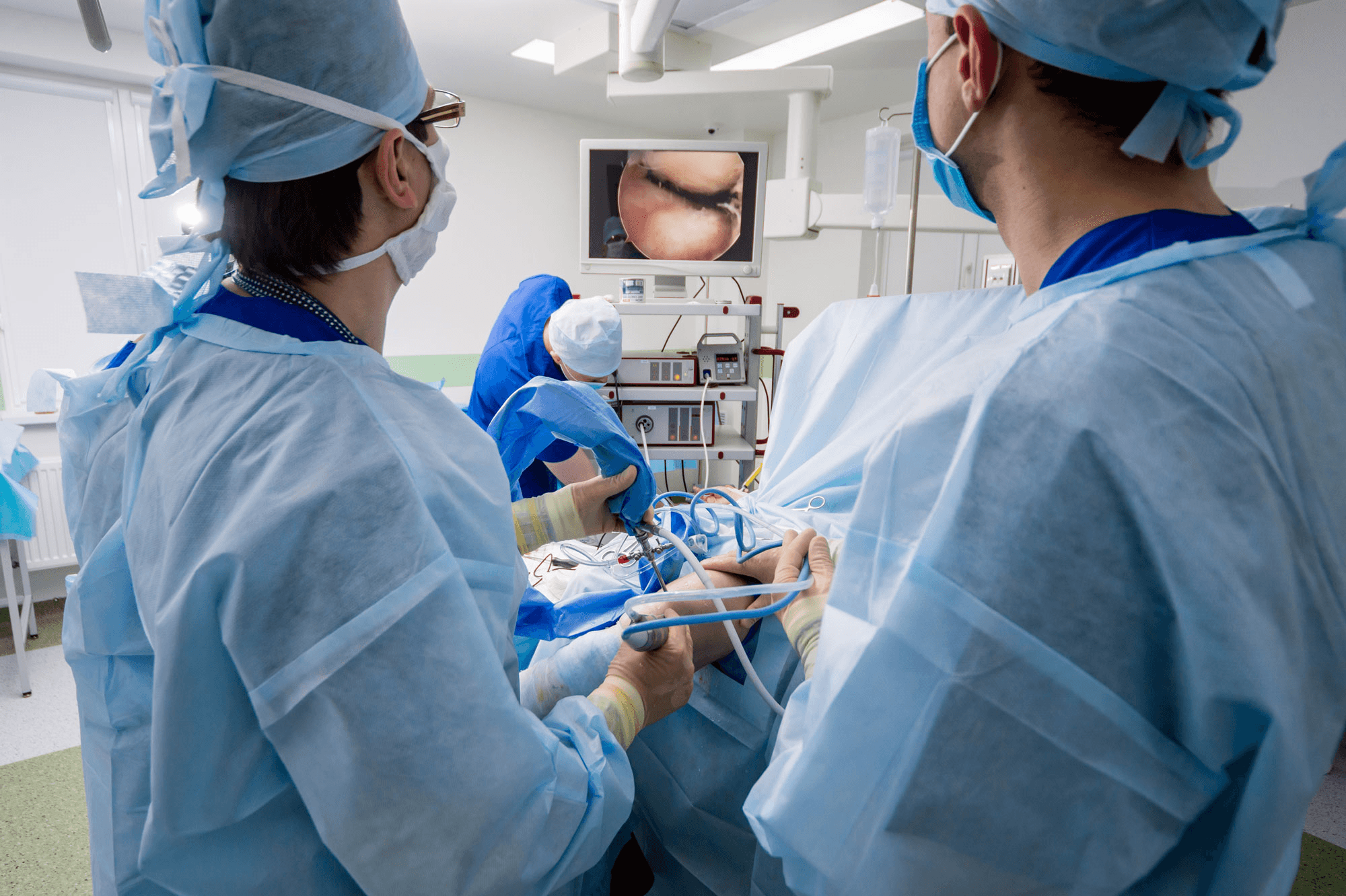

Signs Indicating the Need for Revision Knee Replacement After Total Knee Surgery
Introduction
If you’ve had a total knee replacement (TKR) but continue to feel discomfort or notice new problems after your recovery, you might be wondering what’s going on. This article aims to help you recognise the signs that could mean a revision knee replacement may be needed, and when it’s important to seek a specialist’s advice. Professor Paul Lee and the London Cartilage Clinic are here to provide expert care and support to guide you through these concerns with confidence.
Understanding Revision Knee Replacement and Common Causes for Failure
Revision knee replacement is a follow-up surgery that replaces or repairs a previous knee implant. Unlike the first knee replacement, which involves fitting a new joint, revision surgery deals with problems that can develop after the initial operation.
There are several reasons why a revision might become necessary. These include infection around the implant, loosening of the components, wear and tear of the prosthesis, joint instability, or bone loss supporting the implant. Although total knee replacements often have excellent outcomes, these issues can sometimes arise over time. It’s important to remember that needing revision surgery isn’t the patient’s fault; it usually reflects the natural wear and long-term challenges related to joint replacements. In fact, “three-quarters of procedures are for aseptic, elective reasons, such as progressive osteoarthritis, prosthesis loosening/wear, or instability” (Nicolson et al., 2024).
Interestingly, research shows that the experience level of the surgeon can also affect revision rates. “Total knee arthroplasties performed by mid-career surgeons are at lower risk of revision,” possibly because these surgeons perform more procedures or due to other factors not fully captured in the data (Bhanushali et al., 2025).
Key Symptoms to Watch for After Knee Replacement
Knowing when your knee might need revision is key to protecting its function and your overall wellbeing. One of the main warning signs is persistent pain after your knee replacement — pain that doesn’t ease with rest, medication, or physiotherapy. If the pain worsens or returns after a period of improvement, it’s especially important to take notice.
Other signs include feelings of instability — such as your knee feeling wobbly or like it might ‘give way’ — difficulty bending or straightening your knee fully, swelling, or any changes from how your knee felt in the months following your surgery.
For example, a patient might start experiencing increasing pain and swelling about a year after surgery, along with a sensation that their knee is less stable. This kind of pattern can point to underlying issues requiring a specialist’s attention. Indeed, a recent study found that “living with a problematic knee replacement and undergoing knee revision surgery has significant impact on all aspects of patients’ lives” (Nicolson et al., 2024).
Free non-medical discussion
Not sure what to do next?
Information only · No medical advice or diagnosis.
Why These Symptoms Occur and When to Seek Expert Advice
Symptoms such as ongoing pain, swelling, and instability after knee replacement usually occur due to underlying problems like implant loosening, infection, or alignment issues. These may develop months or even years after the initial surgery, as the implant wears or the surrounding tissues respond.
Significantly, “prosthetic joint infection and aseptic loosening contributed to the largest percentage of complications in all groups,” highlighting the need to recognise these risks and monitor symptoms closely over time (Chavez et al., 2025).
You should seek expert advice if you notice symptoms persisting for longer than a few weeks, sudden changes in how your knee feels or works, or signs of infection such as redness, warmth, fever, or discharge. Professor Paul Lee brings great experience to managing these complex issues, while the London Cartilage Clinic offers a supportive environment focused on thorough assessment and care.
Remember, seeing a specialist early doesn’t mean you will definitely need surgery, but it does enable quicker diagnosis and better management. “Our findings highlight the need for patients with problematic knee replacements to be supported to access care and assessment, and for long-term psychological and rehabilitation support before and after revision surgery” (Nicolson et al., 2024).

The Diagnostic Process and Steps to Take if Concerned
During a consultation for revision knee replacement, your specialist will take a detailed medical history and examine your knee carefully. Imaging tests such as X-rays or MRI scans help assess the condition of your implant and surrounding bones. If infection is suspected, further tests — like lab work or joint fluid analysis — may also be needed.
Revision surgery is often more complex than the initial knee replacement. It requires careful planning and expertise to address the specific problems identified. A recent study notes that “high rates of complications, particularly in the periprosthetic joint infection group, are concerning; the stabilisation of survivorship beyond three years offers reassurance for both surgeons and patients” (Chavez et al., 2025).
If you’re worried about your knee, seeking advice sooner rather than later can provide reassurance and improve outcomes. Professor Paul Lee and the London Cartilage Clinic team are dedicated to offering expert, compassionate support every step of the way.
Conclusion
In brief, if you notice ongoing pain, instability, swelling, or reduced movement after a total knee replacement, these could be signs that revision surgery is needed. Prompt consultation with a specialist is vital to identify and treat any problems effectively. Revision knee replacement is a recognised and important option for maintaining your knee health in the long term. As always, for personalised medical advice, please consult a qualified healthcare professional.
References
- Chavez, A., Canfield, S., Kouo, T. W., McWilliam-Ross, K., & Banda Sanchez, H. (2025). Revision knee arthroplasty with distal femoral replacement: single center study. Archives of Orthopaedic and Trauma Surgery. https://doi.org/10.1007/s00402-025-06097-z
- Nicolson, P. J. A., Toye, F., Sabah, S., Price, A. J., Alvand, A., & Barker, K. L. (2024). The experience of patients undergoing aseptic, elective revision knee joint replacement surgery: a qualitative study. BMC Musculoskeletal Disorders, 25, Article 7778. https://doi.org/10.1186/s12891-024-07778-3
- Bhanushali, A., Holder, C., McAuliffe, M. J., Martin, D., & Smitham, P. J. (2025). Revision rates after total knee arthroplasty amongst surgeons of varying experience: an Australian Orthopaedic Association National Joint Replacement (AOANJRR) study. The Journal of Arthroplasty. https://doi.org/10.1016/j.arth.2025.06.050
Frequently Asked Questions
- Revision knee replacement may become necessary due to infection, implant loosening, wear and tear, instability, or bone loss. These problems can develop over time, and are not the patient’s fault, reflecting long-term joint replacement challenges.
- Patients should look out for persistent pain, swelling, instability, reduced knee movement, or changes in how the knee feels. Such symptoms, especially if they worsen or persist, may signal underlying issues that require attention from an experienced specialist like Prof Paul Lee.
- Expert advice should be sought if symptoms last several weeks, there are sudden changes, or there are signs of infection. Early support from MSK Doctors and Professor Paul Lee ensures a thorough assessment and the best chance of successful treatment.
- A detailed consultation involves medical history review, knee examination, and imaging tests such as X-rays or MRI. If infection is suspected, further laboratory tests may be required. Professor Paul Lee’s expertise ensures comprehensive and compassionate care throughout this process.
- MSK Doctors, led by Cartilage Expert Professor Paul Lee, delivers advanced, patient-centred care for complex knee issues. With Professor Lee’s considerable experience as a surgical ambassador and advisor, patients benefit from specialist expertise and dedicated support at every stage.
Legal & Medical Disclaimer
This article is written by an independent contributor and reflects their own views and experience, not necessarily those of Liquid Cartilage. It is provided for general information and education only and does not constitute medical advice, diagnosis, or treatment.
Always seek personalised advice from a qualified healthcare professional before making decisions about your health. Liquid Cartilage accepts no responsibility for errors, omissions, third-party content, or any loss, damage, or injury arising from reliance on this material.
If you believe this article contains inaccurate or infringing content, please contact us at [email protected].