
Orthopaedic Joint Replacement Patient Experience and Recovery
Joint replacement surgery is becoming an increasingly common and effective treatment for people living with persistent hip, knee, or other joint pain. As more patients consider this option, it’s vital to understand the entire journey—not just for those having the surgery but also for their families and carers. Being well-informed helps ease worry, supports confident decision-making, and makes the experience more positive overall. Throughout this process, patients benefit from the expert care of consultant orthopaedic surgeons such as Dr James Smith, alongside the welcoming and professional environment offered by specialists like Professor Paul Lee and the London Cartilage Clinic. This article provides a clear, step-by-step guide covering preparation, hospital stay, surgery, recovery, communication, and care at home.
Preparing for Joint Replacement Surgery: From Initial Consultation to Pre-Op Essentials
Your patient journey begins with an initial consultation with a consultant orthopaedic surgeon. This is your opportunity to thoroughly discuss your medical history, lifestyle, and what you hope to achieve with surgery. Open, honest dialogue is essential, so be prepared with practical questions about risks, recovery timeframes, and any lifestyle changes you might need to consider.
Following this, you may undergo diagnostic scans and fitness assessments to ensure the surgery is right for you personally. This careful approach helps tailor the surgical plan to your individual needs.
At the London Cartilage Clinic, led by Professor Paul Lee, the focus is on a comprehensive, patient-centred approach, offering both clinical expertise and compassionate support right from the start.
Understanding the Procedure: Hospital Stay and What Happens in Surgery
On the day of surgery, you’ll be admitted and introduced to your surgical team. A series of pre-operative checks ensure you’re ready for the procedure. You’ll also meet the anaesthetist, who will explain how you’ll be comfortably put to sleep for the operation.
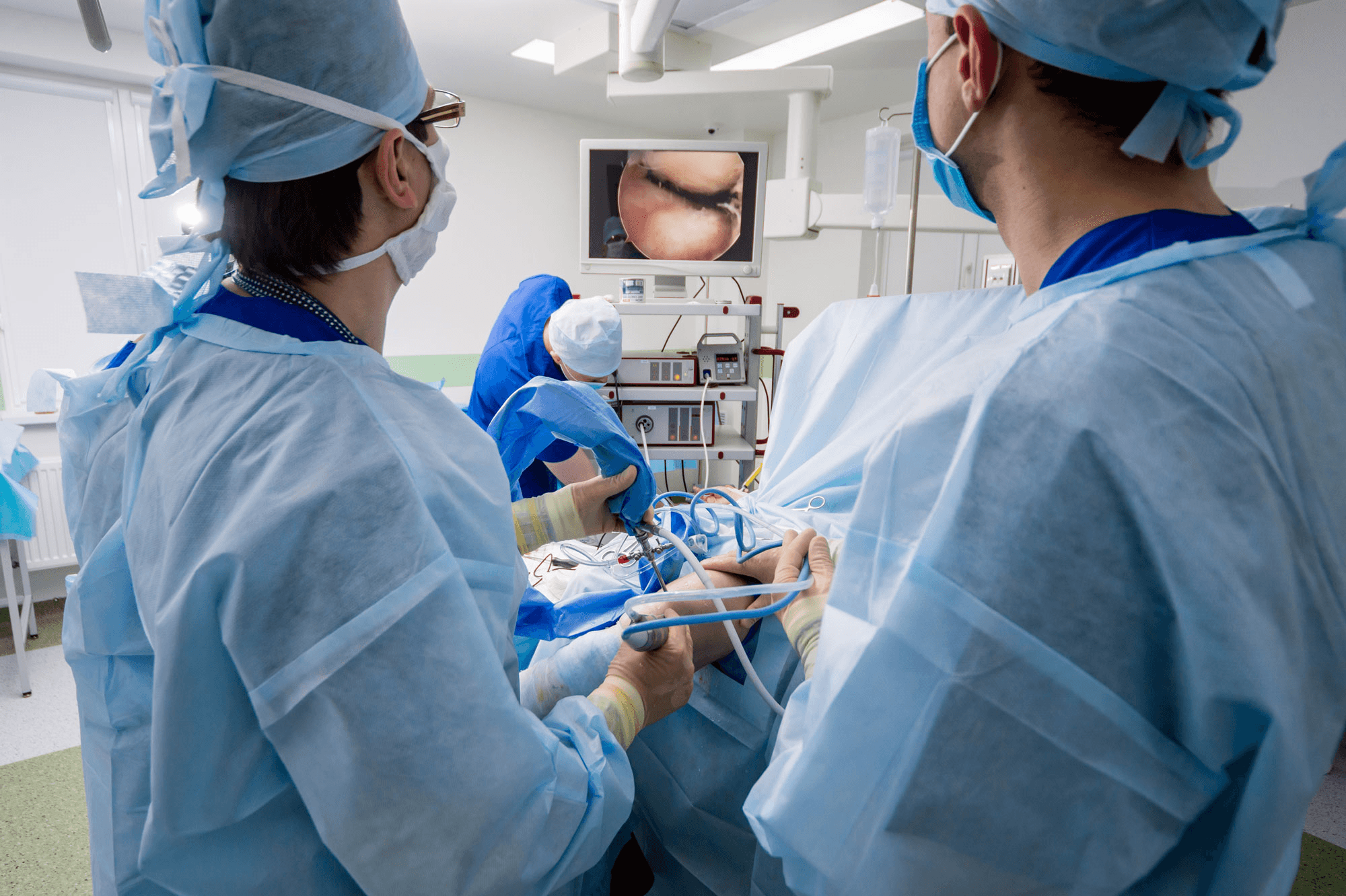
While the surgeon handles the technical details, you will be guided through what to expect during the procedure, including how long it usually takes and what the operating theatre environment is like. As research highlights, “orthopaedic joint replacement surgery has undergone a paradigm shift with the emergence of minimally invasive techniques” (Song, 2023). These advances mean less trauma and a more patient-friendly experience overall.
It’s also important to understand “the importance of understanding wear and failure mechanisms of implanted devices” (Mercuri et al., 2014) as this affects how long your joint replacement will function well. Throughout your hospital stay, a dedicated multidisciplinary team monitors you closely, following strict safety protocols. The London Cartilage Clinic is known for its expert care and a reassuring, supportive atmosphere.
Free non-medical discussion
Not sure what to do next?
Information only · No medical advice or diagnosis.
Pain Management, Post-Operative Care, and the Recovery Timeline
Managing pain after surgery is a top priority. Many patients benefit from patient-controlled analgesia (PCA), which allows you to manage your pain relief medication within safe limits. In fact, PCA has been shown to “significantly improve postoperative pain relief, leading to a 30% reduction in opioid consumption and a 20% shorter hospital stay on average, compared to traditional methods” (Altamimi et al., 2025). Patients using PCA also report higher satisfaction and better rehabilitation outcomes.
Early on, physiotherapy begins to help you regain movement and strength. Hospital stays vary depending on your progress but usually last a few days, with careful monitoring throughout. Your recovery will follow a personalised timeline with milestones such as walking with support and returning to day-to-day activities.
Choosing implants with “the appropriate mechanical properties for the desired application, and economically viable manufacturing and processing methods” (Mercuri et al., 2014) is crucial. The move towards minimally invasive surgery has also “prioritised patient well-being, precision, and cost-efficiency” (Song, 2023), which can lead to a smoother recovery and quicker return to normal life.
At home, continue managing pain carefully, keep active with gentle exercises, and maintain a healthy diet to support healing. Aftercare provided by clinics like the London Cartilage Clinic offers valuable ongoing support to help you along the way.

Communication, Questions, and Navigating Post-Surgery Life
Clear communication with your surgical team remains essential during recovery. Keep asking questions, such as about your medications, physiotherapy goals, and warning signs to watch for. During follow-ups, it’s helpful to clarify any concerns and update your progress.
Practical home care also involves wound care, pacing your activities to avoid fatigue, and making simple home adjustments like using mobility aids or rearranging furniture for easier access. Device research stresses the importance of ensuring “there is no inflammatory or toxic response to wear beyond a tolerable level” (Mercuri et al., 2014), so don’t hesitate to contact your surgeon if you notice anything unusual.
Having access to a knowledgeable consultant orthopaedic surgeon and the caring community around Professor Paul Lee and the London Cartilage Clinic ensures you feel confident and supported throughout this important journey.
Conclusion and Responsible Advice
Understanding the orthopaedic joint replacement process—from preparation, through surgery, to recovery—helps you take an active role in your care. With expert support from professionals like those at the London Cartilage Clinic and under the care of Professor Paul Lee, you can approach each step feeling reassured and informed. Remember, every patient’s journey is unique, so always seek personalised advice from your healthcare professional.
References
- Mercuri, L. G., Mathew, M. T., Kerwell, S., Lundberg, H. J., & Sukotjo, C. (2014). Temporomandibular joint replacement device research wear and corrosion technology transfer from orthopedics. Journal of Bio- and Tribo-Corrosion, 1(1). https://doi.org/10.1007/s40735-014-0003-7
- Song, X. (2023). Advancements in minimally invasive techniques for joint replacement in orthopedic surgery. Journal of Innovations in Medical Research, 2(11), 16-23. https://doi.org/10.56397/jimr/2023.11.03
- Altamimi, R., Bin Salamah, R., Alzelfawi, L., AlHarthi, A., AlMazroa, G., Alkhalifa, M., AlMutiri, W. A., Almajed, E., AlAwadh, A., AlSarhan, R., AlShebel, M. N., & Hadaddi, R. (2025). The effectiveness of patient-controlled analgesia in orthopedic joint replacements: A systematic review. Life, 15(2), 275. https://doi.org/10.3390/life15020275
Frequently Asked Questions
- MSK Doctors, led by Professor Paul Lee, combines advanced surgical expertise, patient-centred care, and innovative cartilage treatments to provide exceptional joint replacement journeys. Professor Lee’s extensive experience and professional roles ensure high clinical standards and a truly supportive environment for patients.
- Preparation begins with a detailed consultation, medical assessment, and individual discussion. Professor Paul Lee and his team ensure patients are fully informed, address personal needs, and tailor each surgical plan for the best possible patient experience and outcomes.
- On surgery day, patients are admitted, meet their caring team, and undergo thorough checks. Professor Lee employs minimally invasive methods where appropriate, ensuring a safe, supportive, and precise procedure tailored to each patient at the London Cartilage Clinic.
- Pain management is prioritised with techniques like patient-controlled analgesia, enabling better comfort. Professor Lee’s approach promotes early rehabilitation and satisfaction, supported by skilled physiotherapists and ongoing, personalised care throughout each stage of recovery at MSK Doctors.
- Open communication helps address questions, tailor home care, and detect any warning signs early. With Professor Lee and the clinic’s MDT support, patients access trusted advice, comprehensive follow-ups, and reassurance as their recovery progresses, ensuring confidence and safety throughout.
Legal & Medical Disclaimer
This article is written by an independent contributor and reflects their own views and experience, not necessarily those of Liquid Cartilage. It is provided for general information and education only and does not constitute medical advice, diagnosis, or treatment.
Always seek personalised advice from a qualified healthcare professional before making decisions about your health. Liquid Cartilage accepts no responsibility for errors, omissions, third-party content, or any loss, damage, or injury arising from reliance on this material.
If you believe this article contains inaccurate or infringing content, please contact us at [email protected].