
Cartilage Regrowth Gels and Their Role in Joint Repair
Introduction
There is growing interest in new, science-based ways to repair joints, especially knees, where cartilage damage is very common. Cartilage acts as a cushion, allowing smooth joint movement, but it has only a limited capacity to heal itself. This has led to excitement over cartilage regrowth gels, which promise to help repair damaged tissue rather than just ease symptoms. However, it’s important to examine these treatments with a clear and informed perspective. In this article, we explore how these gels work, the latest research on cartilage repair, and the realities of their clinical use. (Keywords: cartilage regrowth gel mechanism, cartilage regeneration research)
The Science Behind Cartilage Regrowth Gels
Cartilage regrowth gels typically come in two main types: bioactive hydrogels and injectable scaffolds. Bioactive hydrogels are specially designed to interact with damaged cartilage, encouraging cells to grow and heal the tissue. Injectable scaffolds provide a supportive structure for new cartilage to form within the joint. The aim of these gels is not just to reduce pain but to actively promote the body’s own healing processes. Think of inert gels like a basic trellis that supports plants but doesn’t nourish them, whereas bioactive gels are more like a well-tended garden bed, providing both support and nutrients. Bioactive hydrogels often include molecules such as peptides or growth factors that help attract and stimulate cartilage cells called chondrocytes. Innovative developments include piezoelectric gels, which generate small electrical signals when they move to boost cell activity, and peptide-based matrices that imitate natural cartilage components. These breakthroughs combine biology and material science to create a healing-friendly environment. As one study explained, such a gel is “used to form a protective layer around the cartilage defect while stimulating the growth of chondrocytes and the consequent induction of cartilage regeneration” (Corain et al., 2023). (Keywords: bioactive hydrogels cartilage, injectable scaffold tissue engineering)
Latest Advances and Research Trends
Research is focusing on improving how these gels stick to cartilage, their flexibility, and how well they integrate with the body’s tissue. For example, gels created from fetal cartilage progenitor cells have shown promising results with stronger adhesion and better cartilage repair in lab trials. These gels gradually get replaced by the patient’s own cells over time. The science of tissue engineering plays a key role here, combining cells, scaffolds, and signalling chemicals to replicate the natural healing environment. Despite encouraging early clinical results, these gels are still mostly used in research and haven’t become standard treatments yet. Clinical studies have found that such gels can improve pain and strengthen grip and pinch movements. For example, one investigation reported: “The results of the study show that there was an improvement in pain symptoms, associated with an increase in force in the pincer and grip movements evaluated with clinical tests” (Corain et al., 2023). The same study also noted the continued importance of traditional clinical evaluation: “despite the developing technology, physical examination and clinical history are still the basic and low-cost diagnostic methods” (Corain et al., 2023). Similarly, another trial focusing on knee cartilage defects found, “the mean IKDC patient values in the CF-group after 3rd and 6th months were significantly improved from the preoperative values (p<0.05)” (Schneider, 2016). MRI scans showed “a good immediate filling of all treated defects” and “perfect integration to the adjacent cartilage right from the beginning,” with “impressive maturation of the reconstructed cartilage over time” (Schneider, 2016). Because delivering these gels precisely can be difficult, especially in hard-to-reach joints like the hip, specialised techniques have been developed. As described in one hip study, “the distance between the tip of the needle and the area to be filled should be minimal to ensure full contact with the chondral lesion to avoid losing material inside the hip cavity and to increase the efficiency of the release of the product” (Perez-Carro et al., 2021). To tackle this, simple methods using a needle and curette to guide the gel accurately have been introduced. These developments are promising, but extensive long-term studies are needed before these gels can be recommended as routine treatment. For now, they are best seen as complementary to existing therapies. (Keywords: cartilage regeneration research, joint repair gel effectiveness)
Free non-medical discussion
Not sure what to do next?
Information only · No medical advice or diagnosis.
How Do Cartilage Regrowth Gels Compare with Other Treatments?
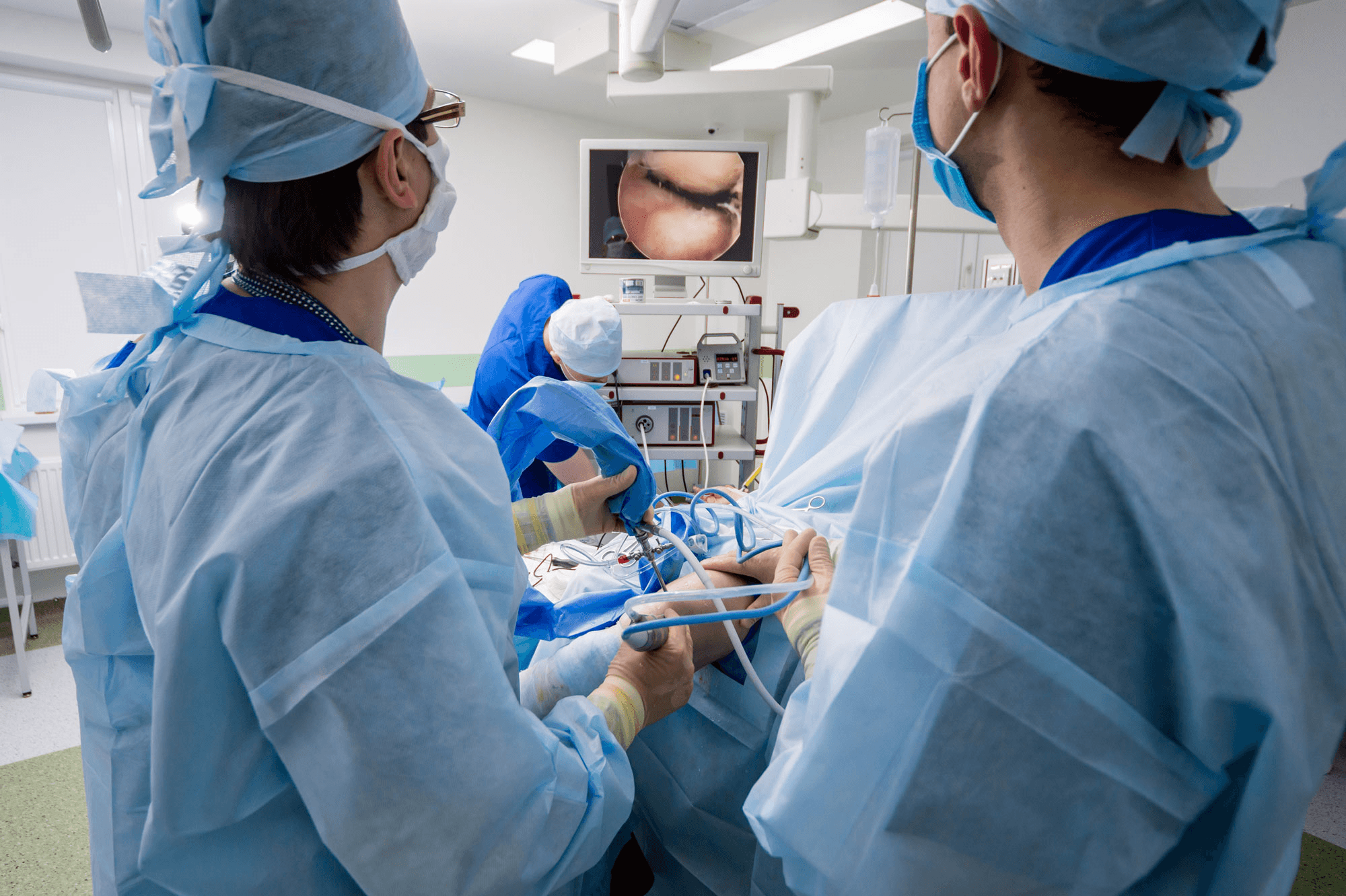
Traditional treatments for cartilage damage typically include painkillers, corticosteroid injections, and surgery such as microfracture or cell implantation. These options mainly address symptoms or involve invasive procedures with mixed recovery results. In comparison, cartilage regrowth gels offer a less invasive, biologically focused alternative aimed at repairing the cartilage itself. Some gels can be injected arthroscopically, providing a scaffold that attracts stem cells to rebuild damaged areas. However, these results can vary and the treatments are not as established as traditional surgeries. Current medical guidelines continue to recommend proven methods, while acknowledging that gels might play an increasing role as more evidence emerges. Patients should beware of exaggerated online claims of ‘miracle cures’ and seek advice based on trusted science and specialist healthcare providers. (Keywords: joint repair gel effectiveness, bioactive hydrogels cartilage)

Limitations, Clinical Realities, and Expert View
While promising, cartilage regrowth gels have their limitations. Patients can respond differently, and full repair is uncommon. There is still a lack of long-term data on outcomes, so their real-world effectiveness remains partly unknown. Expert clinician Professor Paul Lee stresses the importance of thorough, multidisciplinary assessment and managing patient expectations with honest communication. The London Cartilage Clinic stands as an example of a centre offering comprehensive orthopaedic care, blending new techniques with tried-and-tested methods safely. Before considering these novel treatments, it’s essential to consult trusted healthcare professionals who can tailor advice on the best options.
Conclusion and Responsible Advice
Cartilage regrowth gels represent an exciting and developing area of joint repair science. Although early results are encouraging, these treatments are still being researched and have not yet become standard practice. It is important to rely on sound, evidence-based information and to be cautious of unverified, commercial claims circulating online. For individual medical advice and appropriate treatment decisions, always consult a qualified healthcare professional. For personalised medical advice, please seek guidance from a qualified healthcare practitioner. This article aims to provide an expert yet clear view of cartilage regrowth gels, helping readers understand where the science stands and what to realistically expect from these emerging therapies.
References
- Corain, M., Zanotti, F., Giardini, M., Gasperotti, L., Invernizzi, E., Biasi, V., & Lavagnolo, U. (2023). The use of an acellular collagen matrix ChondroFiller® liquid for trapeziometacarpal osteoarthritis. Cartilage. https://doi.org/10.1177/19476035251354926
- Schneider, U. (2016). Controlled, randomized multicenter study to compare compatibility and safety of ChondroFiller liquid (cell free 2-component collagen gel) with microfracturing of patients with focal cartilage defects of the knee joint. Journal of Case Reports and Images in Orthopedics and Rheumatology, 1(1), 1-8. https://doi.org/10.5348/VNP05-2016-1-OA-1
- Perez-Carro, L., Rosi Mendoza Alejo, P., Gutierrez Castanedo, G., Menendez Solana, G., Fernandez Divar, J. A., Galindo Rubin, P., & Alfonso Fernandez, A. (2021). Hip chondral defects: Arthroscopic treatment with the needle and curette technique and ChondroFiller. Arthroscopy Techniques, 10(6), e1343–e1348. https://doi.org/10.1016/j.eats.2021.03.011
Frequently Asked Questions
- MSK Doctors, led by Professor Paul Lee—a cartilage expert and surgical ambassador—offers advanced, science-backed orthopaedic care. Professor Lee’s experience and his active advisory roles with the Royal College of Surgeons ensure a multidisciplinary, evidence-based approach for every patient.
- Cartilage regrowth gels, available at MSK Doctors, focus on promoting natural cartilage repair with less invasiveness compared to surgery. Traditional treatments commonly aim to relieve symptoms, while these gels offer a biological approach that attracts stem cells to help regenerate damaged tissue.
- Not all patients are suitable candidates for these gels. As emphasised by Professor Paul Lee, each patient needs individual assessment. MSK Doctors provides thorough consultations to determine whether innovative gel therapies or traditional methods are most appropriate for your specific needs.
- The effectiveness of cartilage regrowth gels may vary between individuals and long-term results are still under study. MSK Doctors and Professor Paul Lee advise that expectations be based on transparent, evidence-based discussions, with all decisions guided by your overall orthopaedic health.
- Prof Lee’s extensive credentials, innovative research and advisory roles offer assurance of the highest clinical standards. MSK Doctors provides patients with honest, evidence-based advice and access to the latest treatments, ensuring your care is both advanced and individually tailored.
Legal & Medical Disclaimer
This article is written by an independent contributor and reflects their own views and experience, not necessarily those of Liquid Cartilage. It is provided for general information and education only and does not constitute medical advice, diagnosis, or treatment.
Always seek personalised advice from a qualified healthcare professional before making decisions about your health. Liquid Cartilage accepts no responsibility for errors, omissions, third-party content, or any loss, damage, or injury arising from reliance on this material.
If you believe this article contains inaccurate or infringing content, please contact us at [email protected].