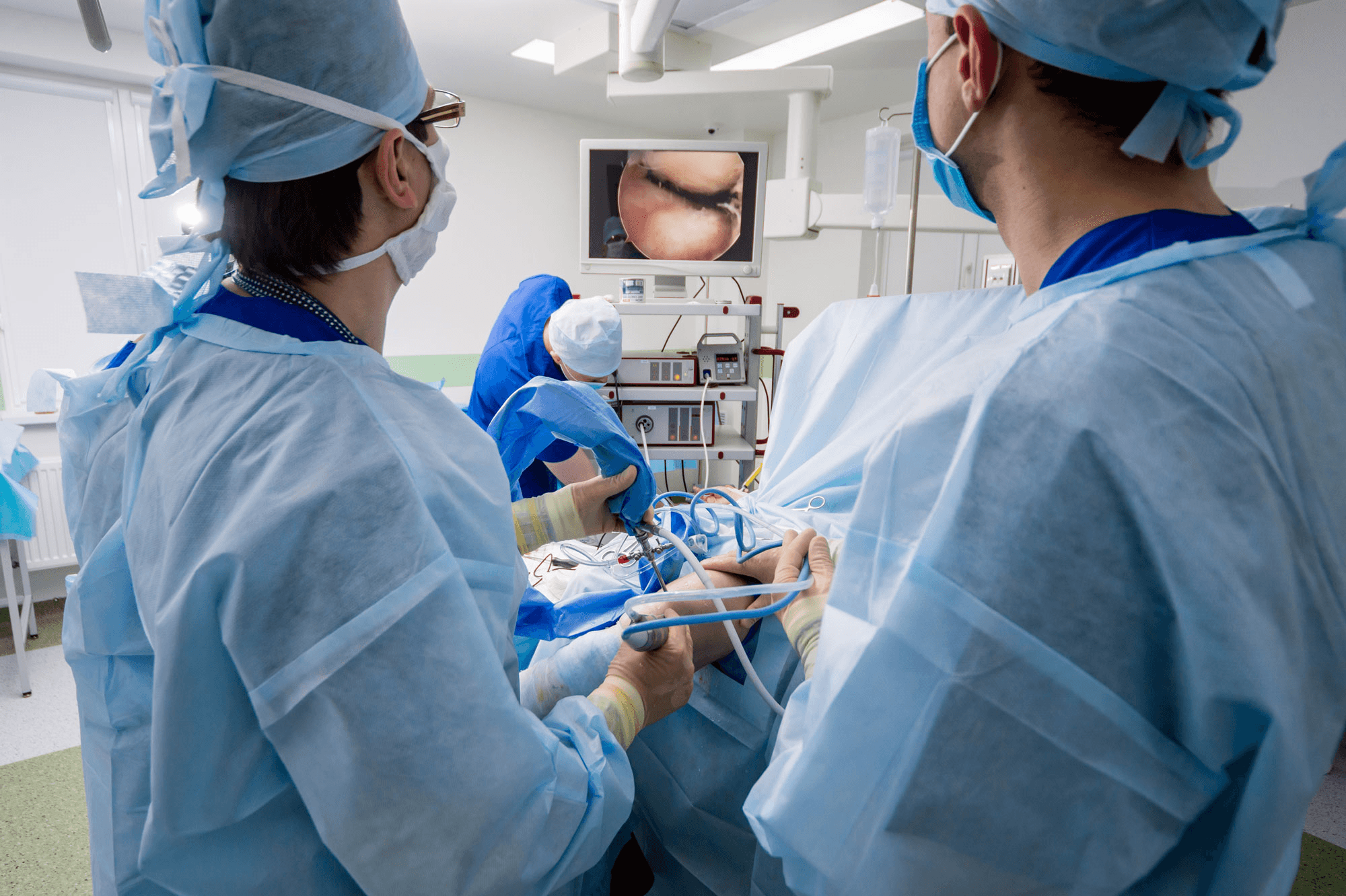

Safe and Effective Home Management of Chondromalacia
How to Manage Chondromalacia at Home Safely
Chondromalacia, especially chondromalacia patella, is a condition where the cartilage beneath the kneecap gradually softens and breaks down. This often leads to symptoms like knee pain, a grinding or clicking sensation, and stiffness, particularly after sitting for a long time or during movement. Medically, it is described as “a condition that promotes abnormal softening of the hyaline cartilage lining the patella’s joint surfaces.” Many people find that carefully managed home treatments can ease symptoms effectively before considering surgery or more intensive medical intervention.
Understanding your condition well is the first step to taking control. Recognising symptoms early and applying practical self-care methods can help protect the knee and reduce discomfort. This article offers clear, trustworthy advice on how to manage chondromalacia at home, with guidance supported by NHS recommendations and physiotherapy expertise.
Immediate Pain Management at Home
When knee pain flares up, gentle care is essential. Resting the knee and avoiding putting too much weight on it during these times can reduce stress on the joint. Elevating your leg on cushions helps to ease swelling by encouraging fluid to drain away.
Cold therapy is another effective way to soothe pain and inflammation. Use an ice pack wrapped in a towel to avoid skin damage, and apply it for 15 to 20 minutes every two to three hours during flare-ups. Wearing comfortable, supportive shoes with cushioning can also lessen the pressure on your knee during movement, offering extra stability and comfort.
It’s important to balance rest with gentle activity. Rather than completely immobilising your knee, try modifying everyday tasks to reduce strain. For example, sit on chairs at a suitable height to avoid deep knee bends and consider using walking aids for longer journeys to protect your knee while maintaining independence.
Building a Supportive Daily Routine
A well-organised daily routine can make a real difference in managing chondromalacia. Spread your activities evenly throughout the day with regular breaks to prevent overexertion and reduce knee stress. Breaking larger tasks into smaller, manageable chunks helps conserve energy and minimise discomfort.
Good posture and walking technique also play a big part in supporting knee health. Try to avoid sudden twisting movements or deep squats, as these can worsen damage to the cartilage. Keep your knee aligned with your foot when walking, and if advised by a healthcare professional, use orthotic insoles or braces to improve stability.
If you find self-care challenging or your symptoms persist, it’s reassuring to know that specialised clinics—like the London Cartilage Clinic—offer personalised treatment and expert advice tailored to your needs.
Physiotherapy Exercises at Home
Physiotherapy exercises are vital for strengthening the muscles around your knee and improving joint stability. Performing these exercises safely at home can reduce pain and improve function without risking further injury.
Start gently with exercises that avoid deep knee bending, such as:
- Straight-leg raises: Lie on your back with one knee bent to support you while slowly lifting the straight leg about 30 cm, holding briefly before lowering. Aim for 10 to 15 repetitions on each leg.
- Side-lying leg lifts: Lie on your side and lift the top leg upwards without rotating your hip. Hold briefly, then lower gently. Repeat 10 to 15 times.
- Gentle hip strengthening: Either standing or lying down, perform small side leg movements to help stabilise your pelvis, which in turn supports your knee.
Try to do these exercises regularly—ideally every day or at least three times per week. Be careful not to push through sharp pain or overdo it; mild discomfort is normal, but sharp pain means you should reduce intensity or rest. Following NHS or physiotherapist guidance ensures you progress safely.
It’s also worth remembering that “current treatments frequently fail to give long-term relief, necessitating the exploration of new therapeutic techniques,” according to recent clinical insights.
Avoiding Harmful Activities and Tracking Progress
Some activities place extra strain on your knee and should be avoided, such as running on hard surfaces, jumping, or excessive stair climbing. These movements can aggravate cartilage damage and slow recovery.
Keeping track of your symptoms can help you understand what makes your knee feel better or worse. A simple diary noting pain levels, stiffness, and mobility over time can be very helpful. This also supports your healthcare provider in tailoring your treatment plan.
Be alert for signs such as worsening pain, symptoms lasting longer than expected, or increasing difficulty moving around. These ‘red flags’ mean it’s time to seek medical advice early to avoid complications.
Conclusion
Managing chondromalacia at home, when done carefully, can be effective and empowering. Practical pain relief, a supportive daily routine, and safe physiotherapy exercises often help people stay active and improve knee function.
Emerging treatments are also being explored. For example, some case reports show that “Ayurvedic purificatory and palliative therapies delivered excellent results in managing Grade IV chondromalacia patella without surgery within 80 days of treatment.” While promising, it’s important to keep in mind that “severe cartilage damage is permanent,” so always discuss new treatments with your healthcare provider.
Also, it’s helpful to be aware that “there is no specific treatment considered effective and universally accepted as the standard,” and in some cases, surgery may be necessary.
If you need more specialised care, the London Cartilage Clinic, led by orthopaedic expert Professor Paul Lee, offers advanced support and personalised treatment for cartilage conditions.
For individual medical advice, please consult a qualified healthcare professional.
References
- S. V, Arthi R, H. Haran, S. I, & Sahayaraj James. (2024). Enhanced bone marrow aspirate concentrate (BMAC) preparation strategy in the management of chondromalacia patella: A case report. Cureus, 2024, Article e59321. https://doi.org/10.7759/cureus.59321
- Hiremath, D., Manjula, K., Dodamani, R. B., Naveenraj, N., Wali, M., & Sajjanar, S. (2026). Standalone Ayurvedic management of grade IV chondromalacia patella integrating Panchakarma and Agnikarma: A case report. Journal of Ayurveda and Holistic Medicine, 13(12). https://doi.org/10.70066/jahm.v13i12.2486
- Silva, T. F. P., de Melo, G. H., Filho, A. S. C., Henriques, C., Peixoto, F. T., Barros, F. M. R., Garcia, L. B. L., Lontra, L. S. P., França, L. C., Glória, M. O., Mósso, P. A. E., & De Oliveira, W. V. S. (2021). Chondromalacia patellae - etiology, epidemiology and therapeutic management. Brazilian Journal of Development, 7(10). https://doi.org/10.34117/bjdv7n10-253
Frequently Asked Questions
- Gentle care, such as rest, elevating the knee, and using cold therapy, can ease chondromalacia symptoms. Modifying activities and following NHS-backed self-care recommendations provide practical support at home until you consult experts like Prof Lee at MSK Doctors.
- Home physiotherapy, focusing on gentle muscle strengthening, supports knee stability and reduces pain. To avoid injury, always follow expert guidance, such as that provided at MSK Doctors by Prof Paul Lee, Cartilage Expert and Regional Surgical Ambassador.
- Avoid high-impact activities like running on hard surfaces, jumping, and excessive stair climbing. If you need extra guidance or advanced care, MSK Doctors and Prof Lee offer tailored advice and innovative treatment for protecting your cartilage health.
- If symptoms worsen, persist longer than expected, or cause increased mobility difficulties, consult a specialist early. Prof Paul Lee at MSK Doctors has extensive experience in cartilage care and leads the London Cartilage Clinic, offering personalised and advanced support.
- Professor Paul Lee is a Cartilage Expert, Royal College of Surgeons Ambassador, and trusted advisor. MSK Doctors offers advanced, personalised treatments for cartilage issues, making them a premier choice for those seeking expert guidance and innovative care.
Next steps
Where to go from here
These routes are selected from the topic and purpose of this article. They are guidance, not a diagnosis or treatment recommendation.
Learn more
Explore cartilage damage
Read the reviewed cartilage damage pathway, including who it may help and what happens next.
Talk to the team
Book a free discovery call
A non-medical call with the team to understand services and choose the right booking route.
Legal & Medical Disclaimer
This article is published by Liquid Cartilage for general information and education only. It does not constitute medical advice, diagnosis, or treatment.
Always seek personalised advice from a qualified healthcare professional before making decisions about your health. Liquid Cartilage accepts no responsibility for errors, omissions, third-party content, or any loss, damage, or injury arising from reliance on this material.
If you believe this article contains inaccurate or infringing content, please contact us at [email protected].