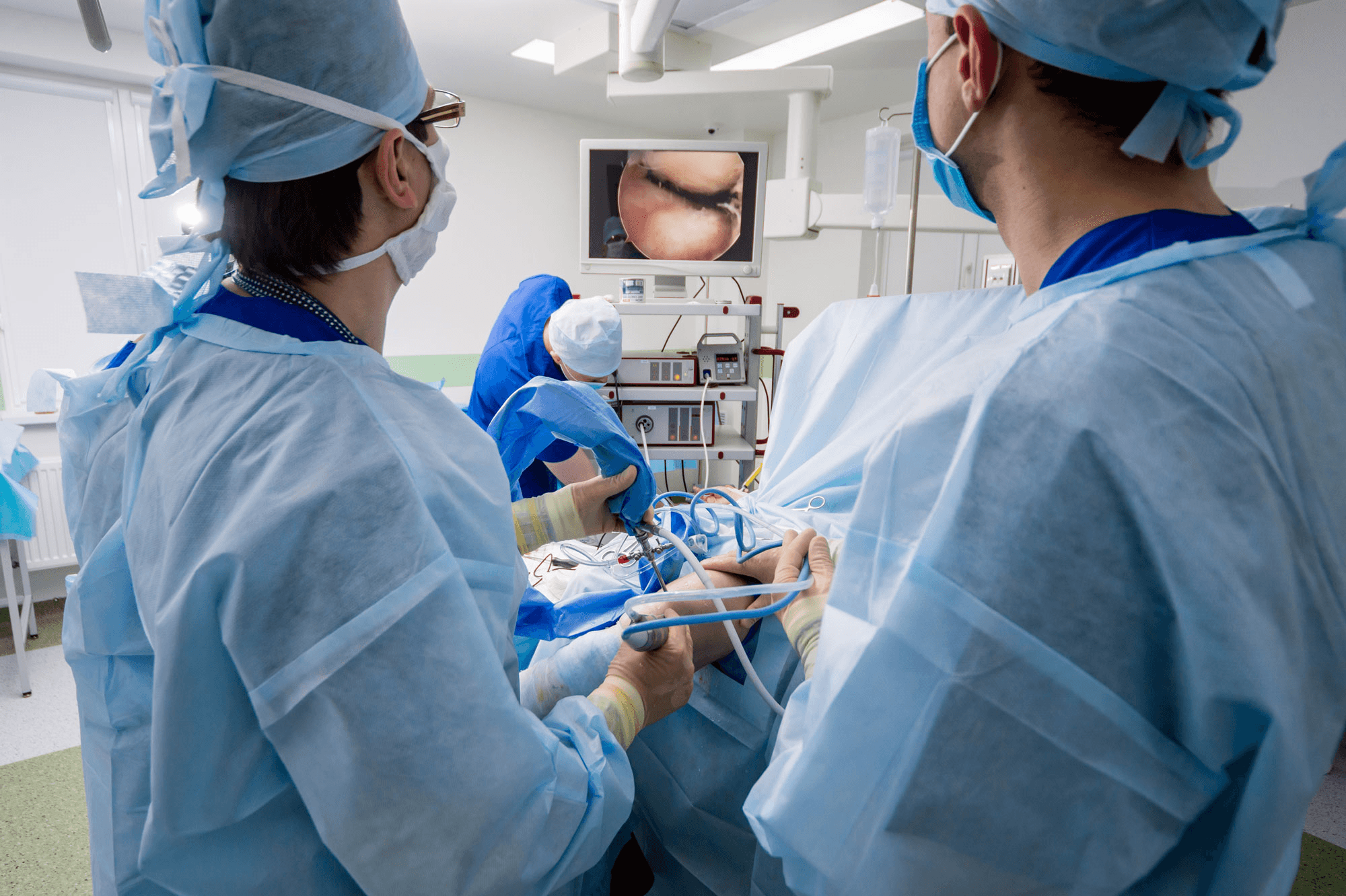

Patellofemoral Replacement Surgery for Kneecap Arthritis Relief
Introduction
Patellofemoral replacement surgery is a specialised treatment designed to relieve arthritis affecting the front part of the knee—the kneecap area. Unlike total knee replacement, which resurfaces the entire knee joint, this procedure focuses only on the patella and the groove in the thigh bone where it sits. This targeted approach is becoming increasingly popular for patients whose discomfort is limited to the front of the knee, offering effective pain relief while preserving the healthy parts of the knee. Professor Paul Lee, an expert in cartilage disorders at the London Cartilage Clinic, delivers patient-centred care that is tailored to these specific needs.
What Is Patellofemoral (Kneecap) Replacement Surgery?
Patellofemoral replacement is a form of partial knee surgery that replaces the damaged surfaces of the kneecap (patella) and the groove in the thigh bone (trochlear groove). It differs from total knee replacement by addressing only arthritis or damage confined to this front part of the knee, without affecting the rest of the joint. This surgery is particularly suited for patients who experience pain and stiffness caused by cartilage wear in these areas. Such symptoms can make simple daily tasks like climbing stairs or standing up from a chair quite difficult.
Who Might Benefit from Patellofemoral Replacement?
This surgery is best suited for patients with isolated patellofemoral arthritis—meaning the wear and inflammation are limited only to the kneecap and its groove. These individuals often have persistent pain at the front of the knee that hasn’t improved with treatments like physiotherapy, medication, or injections. Diagnosis involves a careful clinical examination and imaging tests such as X-rays or MRI scans to confirm that arthritis is confined to this specific joint compartment. It’s important to note that “changes in knee joint biomechanics as well as complications of the patellofemoral joint after surgery can lead to instability, joint pain, patellar rupture, and patellar tendon rupture,” challenges that both surgeons and patients need to consider (Lam et al., 2024). Thanks to Professor Paul Lee’s extensive experience in orthopaedics and rehabilitation, each patient receives a thorough assessment and a personalised treatment plan aimed at the best possible outcome.
The Procedure: Step by Step
The journey towards patellofemoral replacement begins with a detailed consultation and diagnostic tests to understand the condition of the knee. On the day of surgery, a suitable anaesthetic is used to keep the patient comfortable and safe. The surgeon makes a small incision to expose the kneecap and the groove in the thigh bone. The damaged cartilage is then carefully removed, and custom-made implants are fixed in place using bone cement. Precision is vital at every stage to ensure the implants fit perfectly and allow the knee to move naturally. Research shows that “changes in index of the patella before and after surgery affect the surgical results,” highlighting the importance of meticulous surgical technique (Lam et al., 2024). The London Cartilage Clinic offers a supportive and professional environment where patient safety and comfort are top priorities, with experienced clinicians leading the care.
Recovery, Outcomes, and Considerations
Recovery after patellofemoral replacement usually includes a programme of physiotherapy to restore knee movement and strength. Patients generally experience gradual pain relief and improved function, with most able to return to everyday activities within a few months. However, some high-impact sports may still be discouraged to protect the knee. Research indicates that maintaining normal kneecap alignment is important, as "the normal patella group has better results than the group with patella baja" (Lam et al., 2024). Regarding long-term activity, studies find no clear difference between patellofemoral replacement and total knee replacement patients, with “no statistically significant difference in physical activity levels between PFR and TKR participants at the 10-year follow-up” (Vella-Baldacchino et al., 2025). While strengthening the quadriceps muscle is often recommended, recent findings advise caution: “care should be taken in recommending the quadriceps strengthening exercise to TKR patients to avoid the risk of patellar component failure, which might lead to revision surgery” (Salehabadi & Farahmand, 2024). Throughout recovery, concerns like pain control, implant durability, and regular follow-up care are addressed in a structured and supportive way. The key benefits include targeted pain relief and protection of healthy parts of the knee, with any risks such as infection or implant loosening kept low by skilled surgical care. Choosing an experienced specialist like Professor Paul Lee and the dedicated team at the London Cartilage Clinic greatly improves the chances of a smooth and successful recovery.
Conclusion
Patellofemoral replacement is an effective and focused treatment for patients with arthritis limited to the kneecap part of the knee. By addressing only the problematic area, this procedure offers meaningful pain relief and improved mobility while preserving the rest of the knee joint. Under the expert care of Professor Paul Lee and the high standards of the London Cartilage Clinic, patients benefit from personalised treatment aimed at maintaining long-term joint health. For individual medical advice, please consult a qualified healthcare professional.
References
- Lam Tran Quoc, Trinh Le Khanh, Nhung Mai Thi Hong, & Tung Pham Son. (2024). Influence of Changes in Patella Indices on Total Knee Replacement Surgery Outcomes. doi:10.52965/001c.116365
- Vella-Baldacchino, M., Heegaard, J., Stephensen, S., Rytter, S., Wagner, P. K., Asghar, Z., Liddle, A., Justin, C., & Odgaard, A. (2025). Equivocal Physical Activity Outcomes 10 Years After Patellofemoral vs Total Knee Replacement: Follow-Up of a Previously Reported Randomised Controlled Trial in Isolated Patellofemoral Joint Osteoarthritis. doi:10.1016/j.jisako.2025.101037
- Salehabadi, R., & Farahmand, F. (2024). Simulation of Quadriceps Strengthening Exercise Following Total Knee Replacement- Effects on Patellofemoral Contact Mechanics. doi:10.1109/ICBME64381.2024.10895816
Frequently Asked Questions
- Patellofemoral replacement targets only the damaged kneecap and its groove, unlike total knee replacement, which resurfaces the entire joint. This approach preserves healthy parts of the knee and is especially suited for patients with arthritis only in the front section.
- Patients with arthritis isolated to the kneecap region who have not improved with standard treatments can benefit. Professor Paul Lee, a cartilage expert at MSK Doctors, provides expert assessment to determine suitability and offers highly personalised care plans for each individual.
- The procedure begins with a thorough consultation and diagnostic tests. On surgery day, precise techniques are used to remove damaged cartilage and fit custom implants. MSK Doctors, guided by Professor Lee, prioritises patient safety, precision, and support throughout the surgical process.
- Recovery involves physiotherapy to restore strength and mobility. Most patients gradually resume normal activities within months. Professor Lee and the MSK Doctors team deliver regular follow-up care and guidance, focusing on long-term joint health and addressing each patient's concerns.
- Professor Paul Lee is an internationally recognised cartilage expert and surgical ambassador, offering advanced experience in knee disorders. At MSK Doctors, patients benefit from his expertise, meticulous surgical technique, and a supportive environment that prioritises optimal outcomes and patient confidence.
Next steps
Where to go from here
These routes are selected from the topic and purpose of this article. They are guidance, not a diagnosis or treatment recommendation.
Recovery route
Explore recovery guidance
Continue with practical recovery and patient-journey information.
Talk to the team
Book a free discovery call
A non-medical call with the team to understand services and choose the right booking route.
Legal & Medical Disclaimer
This article is published by Liquid Cartilage for general information and education only. It does not constitute medical advice, diagnosis, or treatment.
Always seek personalised advice from a qualified healthcare professional before making decisions about your health. Liquid Cartilage accepts no responsibility for errors, omissions, third-party content, or any loss, damage, or injury arising from reliance on this material.
If you believe this article contains inaccurate or infringing content, please contact us at [email protected].