
Managing Torn Posterior Cruciate Ligament Treatment and Recovery
Understanding the Posterior Cruciate Ligament (PCL)
The knee is a remarkable joint made up of bones, tendons, and ligaments, all working together to provide stability and smooth movement. One key ligament is the posterior cruciate ligament (PCL), which sits at the back of the knee. It plays a vital role in stopping the shinbone (tibia) from sliding too far backwards relative to the thighbone (femur). This stability is especially important during actions like sudden stops or quick changes in direction. Unfortunately, injuries to the PCL often happen during sports accidents, falls, or trauma. Because the PCL is so important for knee function, a tear can cause serious problems with stability and mobility — making proper treatment and recovery all the more crucial.
Causes, Signs, and Symptoms of a Torn PCL
A PCL tear usually results from sudden impact or awkward movements, such as:
- A knee striking the dashboard in a car accident.
- Falling directly onto a bent knee.
- Sports injuries involving sharp twists or stopping abruptly.
Interestingly, research has found that certain knee shapes can increase the risk of a PCL injury. For example, one study showed that “a decreased posterior tibial slope was associated with patients with PCL tears compared with age- and sex-matched controls with intact PCLs” (Bernhardson et al., 2019). Another study highlighted that “patients who ruptured their PCL have smaller intercondylar notches and smaller tibial eminences than control patients” (van Kuijk et al., 2019). This means the shape and anatomy of your knee might play a role in your risk of injury.
Knowing the symptoms can help with early diagnosis. Common PCL tear symptoms include:
- Pain at the back of the knee.
- Swelling and tenderness around the joint.
- A feeling of instability, or the knee ‘giving way’ when you put weight on it.
- Difficulty fully bending or straightening the knee.
The severity of the injury can range from mild sprains to a complete ligament rupture, which influences the best treatment option.
Immediate Steps to Take Following a Suspected PCL Tear
If you think you’ve injured your PCL, acting quickly can help reduce damage and start the healing process. Follow the RICE method:
- Rest: Keep weight off the injured knee.
- Ice: Apply ice packs for about 20 minutes several times a day to ease swelling and pain.
- Compression: Use a bandage to support the knee and control inflammation.
- Elevation: Raise your leg above heart level as much as possible to reduce swelling.
It’s important to protect the knee and avoid activities that might make the injury worse before seeing a healthcare professional. Early assessment is key to confirm what kind of injury you have and to check for any related damage. You may wonder, can a torn PCL heal without surgery? Some partial tears do recover without surgery, but proper diagnosis and expert advice are essential to decide the best path forward.
Free non-medical discussion
Not sure what to do next?
Information only · No medical advice or diagnosis.
Conservative and Surgical Treatment Options for a Torn PCL
The treatment you need depends on how bad the tear is and whether the knee remains stable. For many people, conservative treatment works well and involves:
- Wearing a knee brace to support and protect the joint.
- Following a programme of guided physiotherapy to build strength and flexibility.
- Taking careful rest and having your progress monitored by medical professionals.
With this approach, the expected PCL tear recovery time is often three to six months, provided rehabilitation is done properly.
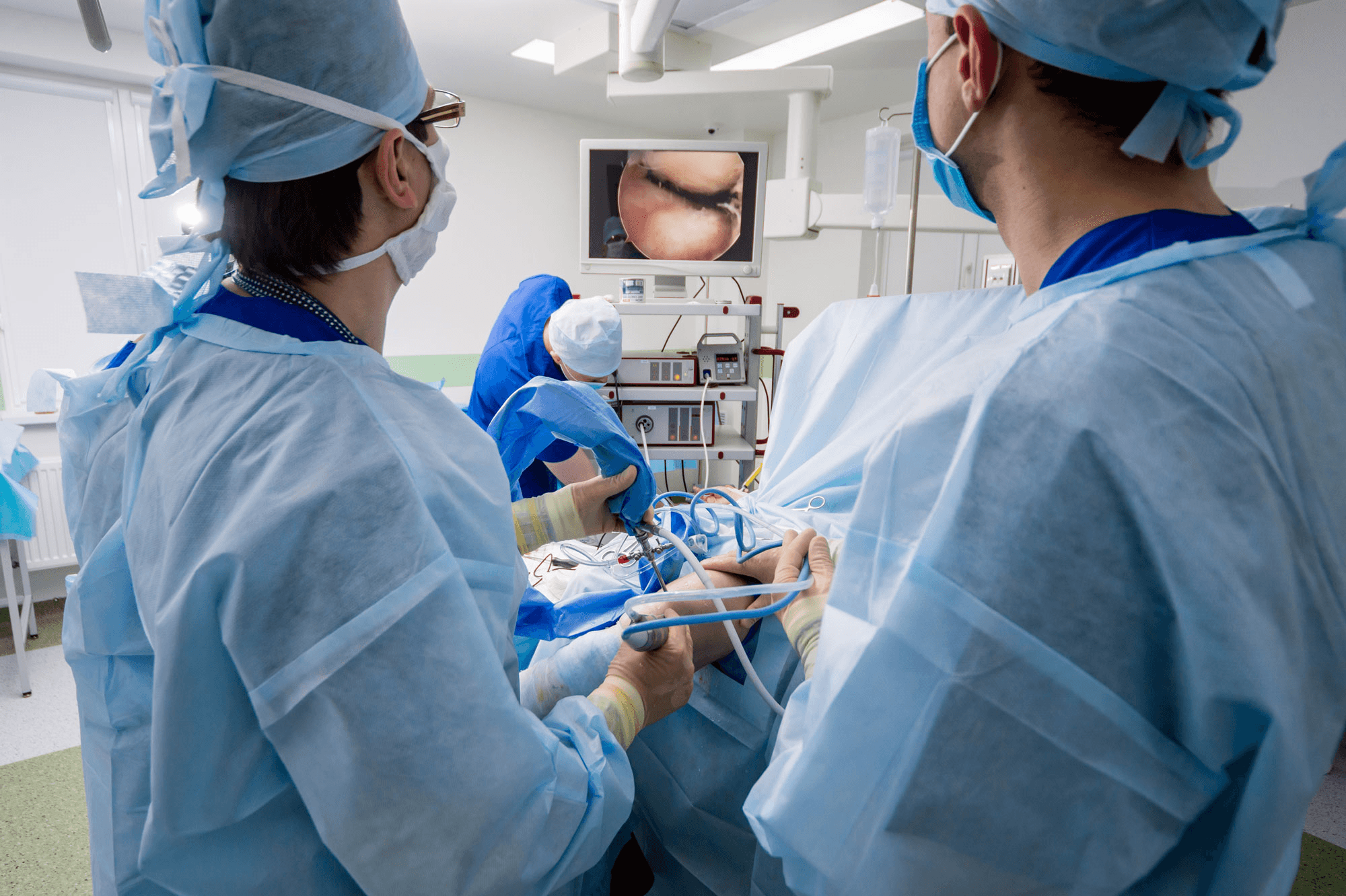
If the tear is severe, or if the knee feels unstable, surgery may be necessary. The goal of surgery is to restore knee stability, particularly for active individuals or those with more complex injuries. However, as research has shown, “surgical reconstruction of the posterior cruciate ligament (PCL) can be technically challenging given the proximity of the popliteal artery to the PCL tibial insertion” (Piedade et al., 2023). This means such operations require skill and experience to perform safely.
Professor Paul Lee brings extensive expertise in orthopaedics and rehabilitation to PCL injury care. The London Cartilage Clinic offers a professional and supportive environment, ensuring patients receive an individualised treatment plan that best suits their specific injury and lifestyle.

The Rehabilitation Journey: What to Expect and How to Maximise Recovery
Rehabilitating a torn PCL follows a gradual, step-by-step process designed to restore knee function safely and effectively. Typically, the recovery phases include:
- Reducing swelling and regaining gentle movement first.
- Gradually strengthening the muscles around the knee and improving balance.
- Slowly returning to regular and recreational activities at a safe pace.
Key tips for successful PCL injury rehabilitation and torn PCL treatment include:
- Being patient and sticking faithfully to your exercise plan.
- Attending regular follow-up appointments to track progress.
- Avoiding high-impact activities like running or twisting until your therapist gives the all-clear.
If you notice ongoing pain, swelling, or instability at any point, seek medical advice immediately. Many patients understandably ask when they’ll be able to get back to daily tasks or sport — professional guidance can help set realistic expectations and keep recovery on track.
Recovery Timelines and Returning to Daily Life
How long recovery takes varies depending on the injury’s severity and treatment method. Conservatively managed tears usually require around three to six months before you can resume normal activities. Surgical recovery might take longer, often nine months or more. Age, commitment to physiotherapy, and individual healing rates also influence the timeline.
Continuous support from healthcare professionals during recovery is vital to ensure your knee heals properly, any complications are spotted early, and your rehab is adjusted as needed.
Consulting specialists like Professor Paul Lee at the London Cartilage Clinic means you get personalised, expert advice. This helps pave the way for a safe return to your everyday life and sports.
Conclusion and Professional Guidance
With the right care, many people fully recover from a torn PCL and return to an active, fulfilling lifestyle. Recovery times and outcomes do vary, but expert treatment significantly improves your chances of success.
Professor Paul Lee and the London Cartilage Clinic provide professional, compassionate support every step of the way — from diagnosis and treatment through rehabilitation.
For personalised medical advice, please always consult a qualified healthcare professional.
References
- Piedade, S., Laurito, G. M., Migliorini, F., & Maffulli, N. (2023). Posterior cruciate ligament reconstruction using PCL inlay technique with the patient supine in bicruciate ligament injury reconstruction. Journal of Orthopaedic Surgery and Research, 18, Article 495. https://doi.org/10.1186/s13018-022-03495-6
- Bernhardson, A., DePhillipo, N. N., Daney, B. T., Kennedy, M., Aman, Z. S., & LaPrade, R. (2019). Posterior Tibial Slope and Risk of Posterior Cruciate Ligament Injury. The American Journal of Sports Medicine, 47(3), 715–721. https://doi.org/10.1177/0363546518819176
- van Kuijk, K. S. R., Reijman, M., Bierma-Zeinstra, S., Waarsing, J., & Meuffels, D. (2019). Posterior cruciate ligament injury is influenced by intercondylar shape and size of tibial eminence. The Bone & Joint Journal, 101-B, 1058–1062. https://doi.org/10.1302/0301-620X.101B9.BJJ-2018-1567.R1
Frequently Asked Questions
- The posterior cruciate ligament (PCL) prevents the shinbone from sliding too far backwards. Its stability is vital for everyday movements, sports, and quick changes in direction, helping maintain overall knee function.
- Common symptoms of a PCL tear include pain at the back of the knee, swelling, instability, difficulty moving the joint, and a sense of the knee ‘giving way’ when weight-bearing or during movement.
- MSK Doctors and Professor Paul Lee offer individualised, evidence-based care for PCL injuries. Prof Lee’s renowned expertise and advanced techniques ensure patients receive professional, supportive treatment tailored to both their injury and lifestyle.
- Professor Paul Lee is a cartilage expert and holds ambassadorial and advisory roles with the Royal College of Surgeons of Edinburgh, offering patients a high standard of orthopaedic knowledge and surgical skill in complex knee and cartilage injuries.
- Patients benefit from personalised rehabilitation plans, ongoing professional support, and expert guidance from Professor Paul Lee at the London Cartilage Clinic, helping them safely regain strength, stability, and confidence in their knee during recovery.
Legal & Medical Disclaimer
This article is written by an independent contributor and reflects their own views and experience, not necessarily those of Liquid Cartilage. It is provided for general information and education only and does not constitute medical advice, diagnosis, or treatment.
Always seek personalised advice from a qualified healthcare professional before making decisions about your health. Liquid Cartilage accepts no responsibility for errors, omissions, third-party content, or any loss, damage, or injury arising from reliance on this material.
If you believe this article contains inaccurate or infringing content, please contact us at [email protected].