
Arthroscopic Knee Surgery Aftercare Essentials
Introduction
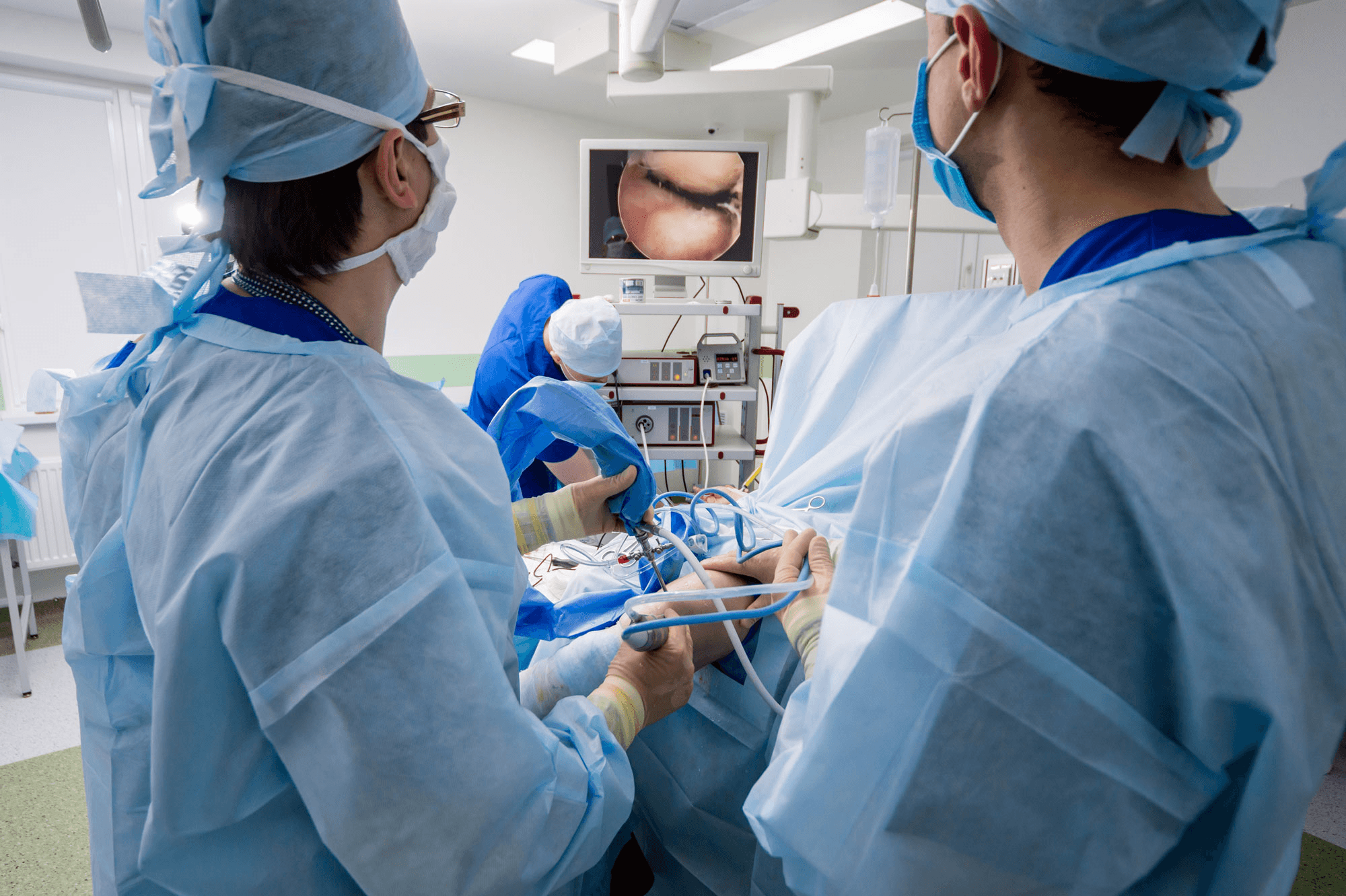
Recovering from arthroscopic knee surgery can feel overwhelming, especially if it’s your first time. It’s natural to wonder what lies ahead once you leave the operating theatre. Arthroscopic knee surgery uses tiny cameras and instruments inserted through small cuts to diagnose or fix issues like cartilage damage, meniscal tears, or ligament problems. This minimally invasive technique usually means smaller scars, less pain, and a quicker recovery compared to traditional surgery.
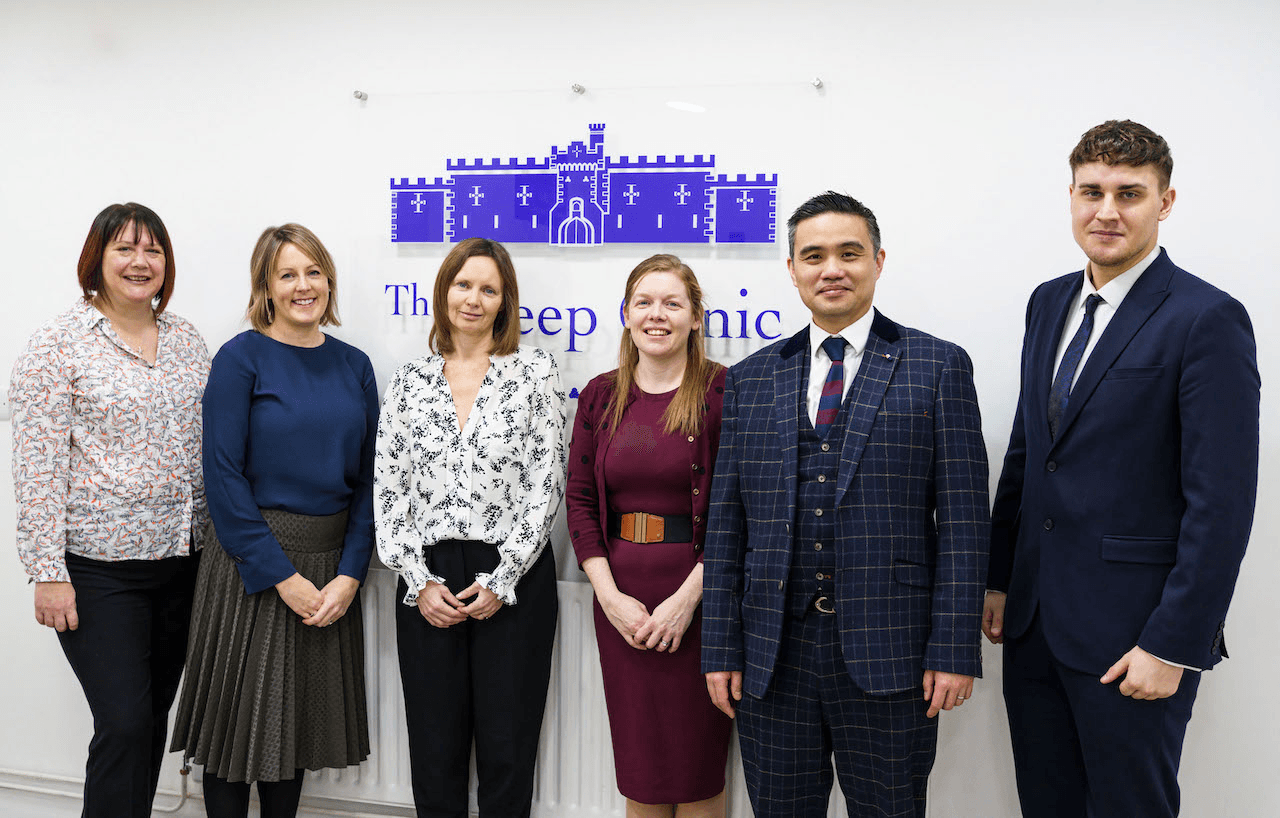
At the London Cartilage Clinic, Professor Paul Lee—an expert in orthopaedics and rehabilitation—leads a dedicated team committed to supporting your recovery every step of the way. In this article, we’ll provide clear, practical answers to the questions patients most often ask about recovery after arthroscopic knee surgery, helping you feel prepared and confident.
Immediate Post-Surgery Care: The First 24–48 Hours
Waking up after surgery, you might feel a bit dazed from the anaesthetic and expect some pain or discomfort around your knee. The skilled team at the London Cartilage Clinic will monitor you closely to ensure you’re comfortable and your vital signs are stable.
During the first day or two, crutches are usually necessary to avoid putting weight on your knee while it begins to heal. Elevating your leg and applying ice packs regularly can reduce swelling, which is completely normal. You’ll be advised on how to keep your wounds clean and dry and to watch out for signs that need urgent medical attention — such as increased redness, swelling, or a fever.
Remember, these steps are routine and managed by professionals who prioritise your safety and comfort.
The Recovery Timeline: From Hospital to Home
After leaving hospital, most people start moving around their home within a day or two and will gradually reduce their reliance on crutches. You might ask, “When can I walk without crutches?” This varies, but many can do so within one to three weeks when following their care plan carefully.
Light daily activities, like short walks, are usually possible within the first few weeks. Returning to work or driving depends on your job and how your knee is healing — those with physically demanding roles might need a bit longer.
During early and mid-recovery, avoid high-impact exercise, heavy lifting, or twisting motions that could stress the knee. Protecting your joint during this time helps ensure the best long-term results.
The team at the London Cartilage Clinic, under Professor Paul Lee’s guidance, will provide tailored advice to keep your recovery safe and on track.
Free non-medical discussion
Not sure what to do next?
Information only · No medical advice or diagnosis.
Managing Pain, Swelling, and Everyday Challenges
Pain and swelling are common but manageable after arthroscopic knee surgery. Alongside prescribed pain relief, elevating your leg and using cold packs regularly can ease discomfort. Some patients benefit from nerve blocks, which target pain more precisely. For instance, a recent study found that the Adductor Canal Block helps patients walk sooner after surgery compared to the Femoral Nerve Block, while offering equally effective pain relief. As the study explains, “The group receiving Femoral Nerve Block suffered from quadriceps weakness, which interfered with rehabilitation and early walking, although pain relief was similar” (Aboelela et al., 2023). Your medical team will decide which method suits you best.
It’s important to seek prompt medical advice if pain suddenly worsens or swelling and redness increase.
Simple tasks like climbing stairs may feel tricky at first—use handrails and take your time. Keep wounds dry until you get the all-clear from your healthcare team. When you sleep, try to keep your leg elevated to reduce swelling and boost comfort.
Here are some common patient questions:
- How much pain is normal? Mild to moderate pain during the first week is expected but should decrease gradually.
- What if I live alone? It’s wise to arrange support from family, friends, or community services for the early days.
Because everyone heals at their own pace, regular check-ins with experts like Professor Lee can provide reassurance and help adjust your recovery plan as needed.

Regaining Strength, Mobility, and Confidence
Rebuilding strength and movement in your knee takes time, effort, and patience. A physiotherapist will guide you through specific exercises designed to restore muscle power and function.
You can expect steady progress week by week — better knee bending, longer walks, and growing confidence. Recent research shows that arthroscopic knee surgery remains a vital part of modern orthopaedics worldwide, with demand steadily increasing (Tolan et al., 2025). Advances in surgical technique and better patient support continue to improve outcomes.
If you notice persistent stiffness, increased pain, or difficulty with daily tasks, let your healthcare team know promptly.
At the London Cartilage Clinic, Professor Paul Lee and his colleagues work closely with you to help regain strength safely while rebuilding your confidence.
Conclusion
In summary, recovering from arthroscopic knee surgery involves attentive immediate care, realistic expectations about your healing timeline, effective pain and swelling management, and ongoing support from dedicated professionals. Every recovery journey is unique, so patience and following medical advice are key.
Choosing the expertise of Professor Paul Lee and the London Cartilage Clinic means you’ll benefit from personalised care designed to help you recover as smoothly and safely as possible.
For personalised medical advice, always consult a qualified healthcare professional.
References
- Aboelela, S. K. M., Alansary, A. M., Abdou, K., & Elsayed, M. H. (2023). A Comparison between Sub-Sartorial Canal Block and Femoral Nerve Block for Postoperative Analgesia after Arthroscopic Knee Surgery. QJM: An International Journal of Medicine, hcad069.071. https://doi.org/10.1093/qjmed/hcad069.071
- Nashed, S. W., Ghaly, S. I., Haggag, A. M. A. M., & Abd-elaleem, A. I. A. (2024). A Comparative Study between Sub-sartorial Canal Block and Femoral Nerve Block for Postoperative Analgesia after Arthroscopic Knee Surgery. QJM: An International Journal of Medicine, hcae070.020. https://doi.org/10.1093/qjmed/hcae070.020
- Tolan, G. A., Precup, C., Uivaraseanu, B., Ţiț, D. M., Bungau, G., Radu, A., & Furau, C. (2025). Nationwide Trends in Arthroscopic Knee Surgery and ACL Reconstruction in Romania, 2017–2023: Insights from a Seven-Year Health System Analysis. Life, 15(11), Article 1734. https://doi.org/10.3390/life15111734
Frequently Asked Questions
- MSK Doctors and Professor Paul Lee provide expert care, combining advanced techniques and personalised rehabilitation to support patients through every stage of recovery, ensuring safety and confidence. Professor Lee’s years of experience help deliver high-quality outcomes for each individual.
- Most patients start moving at home within one or two days with guidance from Professor Lee’s team. Recovery times vary, but with his supervision, you’ll receive a personalised plan to help you regain mobility safely and efficiently.
- Professor Lee and MSK Doctors offer tailored strategies, such as nerve blocks, pain relief medication, and practical advice on elevation and ice. Their careful management helps ease discomfort, always prioritising patient safety and comfort during recovery.
- Professor Paul Lee and his dedicated team at MSK Doctors are available for ongoing support, check-ins, and advice throughout your recovery. Their responsive approach ensures any issues or concerns are addressed promptly and professionally.
- As a renowned cartilage expert and Royal College ambassador, Professor Paul Lee brings extensive expertise in minimally invasive knee surgery techniques, offering patients at MSK Doctors advanced, personalised treatments and world-leading knowledge in cartilage and orthopaedic care.
Legal & Medical Disclaimer
This article is written by an independent contributor and reflects their own views and experience, not necessarily those of Liquid Cartilage. It is provided for general information and education only and does not constitute medical advice, diagnosis, or treatment.
Always seek personalised advice from a qualified healthcare professional before making decisions about your health. Liquid Cartilage accepts no responsibility for errors, omissions, third-party content, or any loss, damage, or injury arising from reliance on this material.
If you believe this article contains inaccurate or infringing content, please contact us at [email protected].