
Why ChondroFiller Is a Minimally Invasive Option for Cartilage Repair
Introduction
Cartilage injuries, especially in joints like the knee, are a common challenge in orthopaedics. Traditionally, treating these injuries involved open surgery, which requires large incisions and often leads to a lengthy and uncomfortable recovery. With advances in medical science, however, minimally invasive treatments have gained popularity — offering effective repair with less pain and shorter healing times.
One such modern solution is ChondroFiller, an innovative treatment designed to repair damaged cartilage using minimally invasive techniques. Led by experts like Professor Paul Lee and the MSK Doctors team, patients receive this treatment within a professional, safe, and supportive environment.
In this article, we explore why ChondroFiller is considered minimally invasive. We’ll look at the procedure itself, its safety, and what patients can expect during recovery, helping you understand how this cutting-edge treatment combines science and expert care to restore joint health.
What Does Minimally Invasive Cartilage Repair Mean?
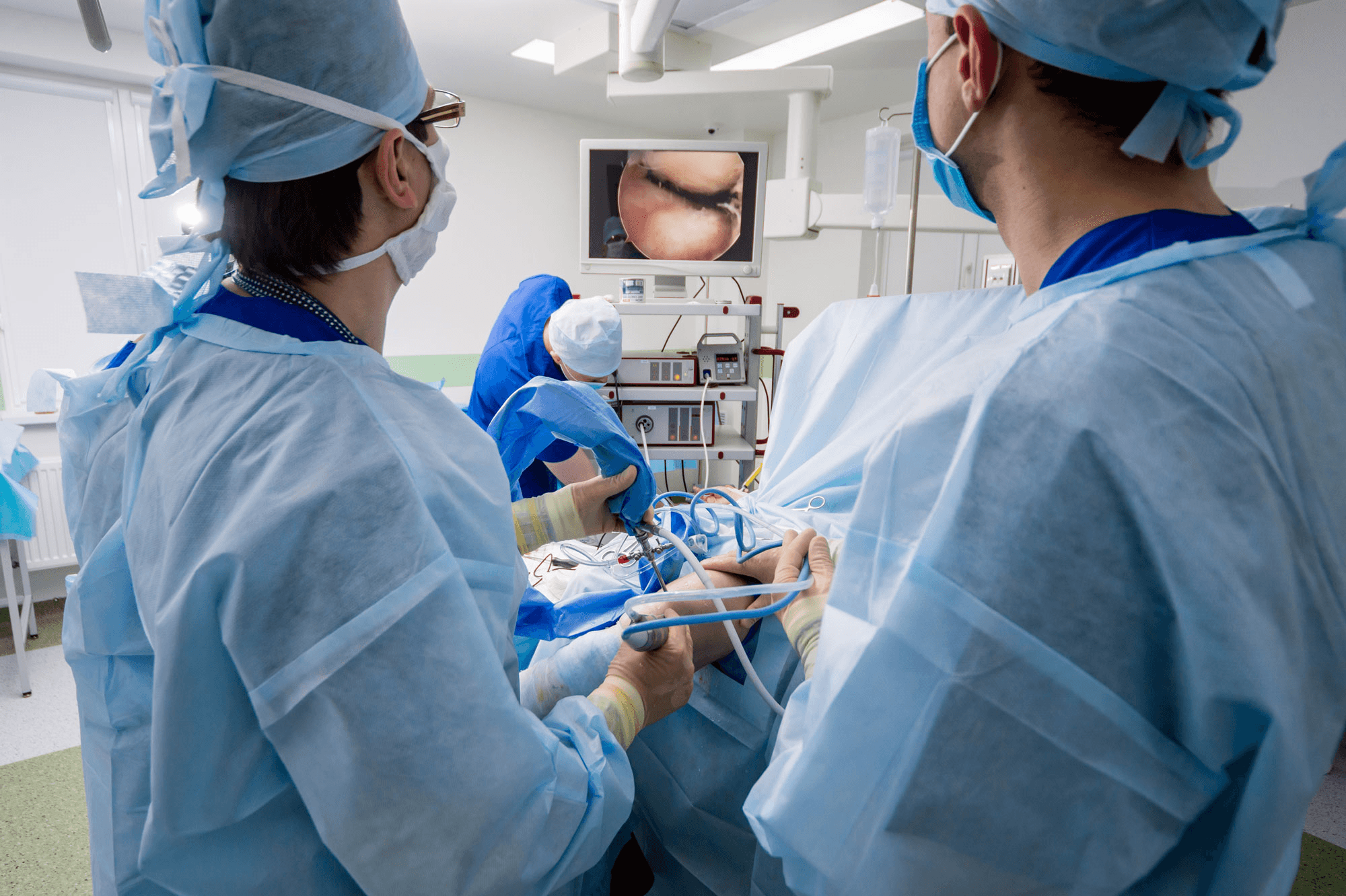
In orthopaedics, “minimally invasive” means procedures that cause as little damage as possible to the body. Instead of making large cuts, surgeons use small incisions—sometimes just a few millimetres across—and specialised instruments like tiny cameras called arthroscopes. This allows them to operate inside joints carefully and precisely, avoiding unnecessary harm to surrounding tissues.
Traditional open surgeries involve larger cuts and tend to cause more tissue damage, which can mean more pain, longer hospital stays, and longer recoveries. Minimally invasive methods reduce these risks and make the healing process quicker and more comfortable.
As a result, more patients are looking for these low-impact options. Professor Paul Lee, an expert in orthopaedics and rehabilitation, explains that such advances are changing cartilage repair by combining surgical accuracy with patient-friendly recovery times.
How Is ChondroFiller Applied? The Role of Keyhole Surgery
The ChondroFiller treatment is delivered via keyhole surgery, also known as arthroscopy. During the procedure, surgeons make just one or two tiny cuts to insert a small camera and instruments into the joint. This allows them to see the damaged cartilage clearly and place ChondroFiller exactly where it’s needed.
These small incisions bring many benefits: less trauma during surgery, reduced pain afterwards, and preservation of healthy tissue around the injury. Applying ChondroFiller so precisely encourages the natural healing of cartilage while safeguarding the joint’s overall function.
Because this approach is gentle, patients often experience faster recovery compared with traditional surgery. At MSK Doctors, patients receive focused, bespoke care from start to finish, ensuring safety and comfort throughout the entire process.
Free non-medical discussion
Not sure what to do next?
Information only · No medical advice or diagnosis.
What Is ChondroFiller Made Of? Why Is It Safe?
Safety is a top priority when it comes to implanting anything inside the body. ChondroFiller consists of biocompatible materials that work well with your body’s own tissues, minimising the risk of rejection or inflammation. A clinical study found that “Chondrofiller Liquid is shown to be a safe procedure which was able to provide satisfactory results in these first results,” with no complications reported.
More recent research highlights how the product’s unique mechanical properties support its function. One study explains that ChondroFiller’s “bi-phasic structure, where the 60% nonfibrillar hydrogel proportion dominates the mechanical response,” helps to mimic natural cartilage behaviour, especially its viscous and elastic characteristics essential for joint movement. These features are crucial for designing materials that support cartilage repair effectively.
In fact, similar liquid collagen-based treatments have been proven safe in longer-term studies, showing “good clinical and radiological outcomes in a 2-year follow-up.” Under the expert supervision of specialists like Professor Paul Lee and the MSK Doctors team, patients can feel confident in the safety and effectiveness of this minimally invasive therapy.

When Can I Walk Again? What to Expect After Treatment
A key concern for patients is the recovery timeline — particularly when they can expect to walk and return to normal activities.
Thanks to the minimally invasive nature of ChondroFiller treatment, patients often start gentle movement within days. While full mobility depends on factors such as the size and location of the cartilage damage and overall health, many patients see quicker progress than with traditional surgery.
One study reported that “about 80% of the patients indicated good or very good results and would have the operation done again.” Another confirmed that “all patients who practiced sports resumed them,” showing promising returns to active lifestyles.
Recovery involves a carefully tailored rehabilitation plan, focusing on gradual weight-bearing and exercises to restore strength and flexibility. With continuous support and guidance from the MSK Doctors team, patients can steadily rebuild joint function with confidence.
Conclusion: Why ChondroFiller Stands Out as a Minimally Invasive Option
To sum up, ChondroFiller deserves its reputation as a minimally invasive cartilage repair solution because it combines small keyhole incisions, a material designed to support natural healing, and a procedure that protects healthy tissues. These factors reduce surgical trauma, ease discomfort, and promote faster recovery.
Choosing experienced clinicians like Professor Paul Lee and the MSK Doctors team ensures that you receive expert care in a professional setting dedicated to your wellbeing.
For personalised advice about cartilage repair, always consult a qualified healthcare professional.
References
- Breil-Wirth, A., von Engelhardt, L., Lobner, S., & Jerosch, J. (2016). Retrospective study of cell-free collagen matrix for cartilage repair. Orthopaedie und Unfallchirurgie up2date, 11(05), 515-520. https://doi.org/10.3238/oup.2016.0515-0520
- De Lucas Villarrubi, J. C., Méndez Alonso, M. Á., Sanz Pérez, M. I., Trell Lesmes, F., & Panadero Tapia, A. (2021). Acellular Matrix-Induced Chondrogenesis Technique Improves the Results of Chondral Lesions Associated With Femoroacetabular Impingement. Arthroscopy, 38(2), 539-550. https://doi.org/10.1016/j.arthro.2021.08.022
- Weizel, A., Distler, T., Schneidereit, D., & Friedrich, O. (2020). Complex mechanical behavior of human articular cartilage and hydrogels for cartilage repair. Acta Biomaterialia, 122, 204-216. https://doi.org/10.1016/j.actbio.2020.10.025
Frequently Asked Questions
- ChondroFiller involves keyhole surgery, requiring only tiny incisions and specialist instruments. At MSK Doctors, this approach minimises tissue damage and discomfort, guided by Prof Paul Lee’s expert techniques and the latest research for safer, patient-focused joint treatment.
- Prof Paul Lee is a renowned cartilage expert and surgical ambassador with international recognition. His extensive experience in orthopaedics ensures advanced, precise, and personalised care for cartilage injuries, providing patients at MSK Doctors with confidence in both safety and results.
- MSK Doctors offers cutting-edge, minimally invasive procedures led by distinguished specialists, including Prof Paul Lee. The team provides a holistic, supportive environment and tailored rehabilitation, helping patients achieve the best possible joint function and recovery experience.
- While individual recovery times vary, most patients at MSK Doctors start gentle movement within days after ChondroFiller. Rehabilitation programmes, designed under Prof Lee’s guidance, focus on safe, gradual restoration of strength, flexibility, and comfort for steady progress.
- ChondroFiller uses biocompatible materials proven in clinical studies to be safe and effective for cartilage repair. Under Prof Paul Lee’s supervision, patients benefit from years of expertise and strict safety protocols, ensuring confidence in this innovative, minimally invasive treatment.
Legal & Medical Disclaimer
This article is written by an independent contributor and reflects their own views and experience, not necessarily those of Liquid Cartilage. It is provided for general information and education only and does not constitute medical advice, diagnosis, or treatment.
Always seek personalised advice from a qualified healthcare professional before making decisions about your health. Liquid Cartilage accepts no responsibility for errors, omissions, third-party content, or any loss, damage, or injury arising from reliance on this material.
If you believe this article contains inaccurate or infringing content, please contact us at [email protected].