
Injectable Gels Revolutionizing Cartilage Regrowth and Joint Preservation
Introduction
Healthy joint cartilage is key to moving freely and comfortably. This special tissue cushions your bones where they meet at the joints, helping you move smoothly and absorb shocks. When cartilage is damaged—whether through injury, ageing, or conditions like osteoarthritis—it can cause pain, stiffness, and limit how well the joint works.
Traditionally, treatment for cartilage damage includes everything from physiotherapy and anti-inflammatory medication to surgery, such as arthroscopic repair or joint replacement. While surgery can work well, it often involves invasive procedures and long recovery times.
Injectable cartilage gels have recently gained attention as an exciting, minimally invasive alternative. They offer hope for encouraging cartilage healing and regrowth without the need for major surgery. In this article, we’ll explore the science behind these gels, their strengths and limitations, who they’re suited for, safety considerations, and what the future might hold.
The Science Behind Injectable Cartilage Gels
Cartilage is a unique tissue, but its ability to heal itself is very limited. This is because it lacks blood vessels, nerves, or lymph channels—elements vital for repair in most body tissues. Injectable gels are designed to help the body overcome this challenge by supporting natural healing.
These gels often act as scaffolds or supportive frameworks within the damaged area. Made from materials like collagen, hyaluronic acid, or specialised hydrogels, they create an environment where the body’s own cells can settle, grow, and regenerate cartilage.
- Collagen-based gels mimic the natural structure of cartilage, encouraging stem cells to become cartilage cells.
- Hyaluronic acid gels mainly restore lubrication in the joint, which helps function, with some added support for repair.
- Bioactive and adhesive hydrogels help cells stick and promote tissue growth through chemical signals.
- Emerging piezoelectric hydrogels use electrical charges generated by movement to stimulate repair.
It’s helpful to understand the difference between repair, regeneration, and replacement of cartilage: repair fills damaged areas with new tissue that might not precisely match original cartilage; regeneration restores cartilage close to its natural state; while replacement removes damaged parts altogether, as in joint replacement surgery.
Free non-medical discussion
Not sure what to do next?
Information only · No medical advice or diagnosis.
Advantages and Limitations Compared to Traditional Treatments
Injectable gels offer an attractive alternative because they are generally less invasive and come with shorter recovery times than surgery. Unlike joint replacement, these gels aim to preserve your natural cartilage and encourage it to heal.
Compared to traditional arthroscopic cartilage repairs, injectable gels avoid complex multi-step procedures and the need to harvest cells from other parts of the body. Studies have shown encouraging results; for example, one clinical trial found that “all defects could be filled successfully” with collagen gels, with MRI scans showing “perfect integration to the adjacent cartilage… and impressive maturation over time” (Schneider, 2016).
Similarly, treatment with these gels for thumb joint arthritis demonstrated “improvements in pain and increased strength in grip and pinch movements” (Corain et al., 2023).
In hip joints, injectable gels like ChondroFiller are introduced using an arthroscopic technique that combines needles and curettes to place the gel precisely. Researchers describe it as a “simple, inexpensive, and reproducible” procedure for treating full-thickness cartilage defects (Perez-Carro et al., 2021).
However, injectable gels are not a magic solution for all cartilage problems. They tend to work best for small, well-defined defects. Advanced arthritis or widespread cartilage damage still typically calls for surgical options like joint replacement.
While many gels have shown safety and effectiveness in clinical settings, more research is still needed. As highlighted in the knee cartilage study, “further prospective randomised studies with larger numbers and longer follow-up” will help clarify their role in treatment (Schneider, 2016).

Who Can Benefit? Safety and What to Expect
Ideal candidates for injectable cartilage gels are usually younger or middle-aged adults with focal cartilage defects causing pain and functional issues, but with stable joints and minimal arthritis.
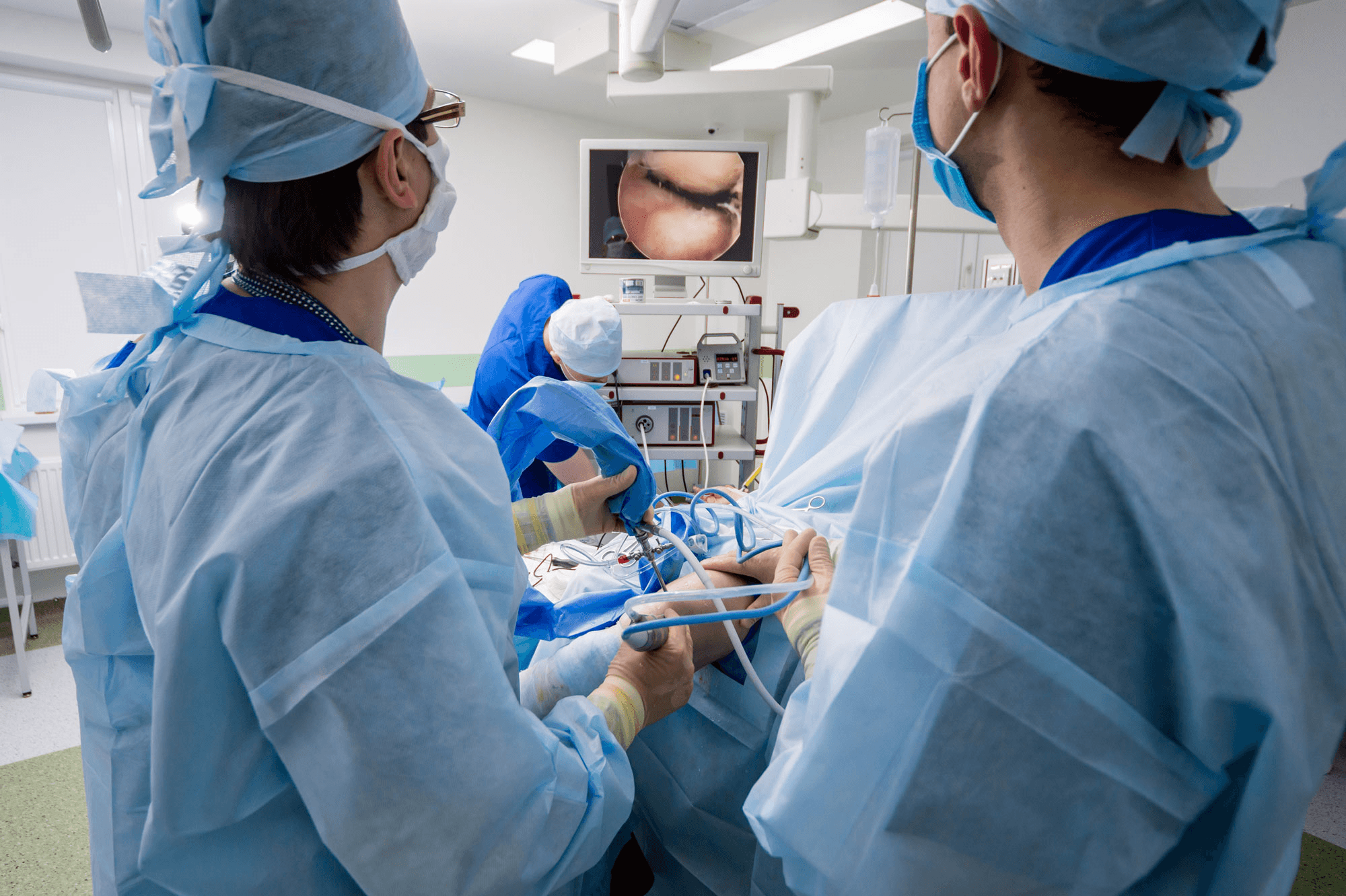
The procedure generally involves a keyhole (arthroscopic) surgery to prepare the defect, then the gel is carefully injected to form a supportive scaffold. This is done under anaesthetic to ensure comfort. After treatment, patients follow a customised rehabilitation programme, often including protected weight-bearing to help the cartilage regenerate without stress.
Risks include possible infection, temporary joint swelling, or incomplete defect repair. Sometimes the gel may not coat the area perfectly or could break down sooner than expected. Patients should have realistic expectations: while many feel pain relief and improved function, full cartilage regrowth cannot be guaranteed.
Recent studies observed that MRI scans showed changes in joint health after gel injections, including “reductions in bone swelling and joint fluid” in some patients (Corain et al., 2023).
It’s important to know that injectable gels aren’t suitable for everyone, particularly those with widespread joint damage or severe arthritis.
The Experts and Future Prospects
Professor Paul Lee is a respected expert in orthopaedics and rehabilitation, known for his leadership roles and clinical experience in joint preservation, including injectable cartilage therapies.
Clinics like the London Cartilage Clinic provide specialised support, helping patients access advanced treatments safely, though they are not involved in developing these gels themselves. Their focus remains on expert care and recovery.
Looking ahead, research is advancing quickly. Scientists are working on improving gel materials, combining them with bioactive compounds, and tailoring treatment to each patient’s unique needs through regenerative medicine.
With progress in tissue engineering and new therapies, cartilage regrowth using injectable gels may become a more effective and commonly accessible option over the next decade.
If you are considering such treatments, it is important to consult specialists who can guide you based on the latest evidence and your personal condition.
For individual medical advice, please consult a qualified healthcare professional.
References
- Schneider, U. (2016). Controlled, randomized multicenter study to compare compatibility and safety of ChondroFiller liquid (cell free 2-component collagen gel) with microfracturing of patients with focal cartilage defects of the knee joint. Journal of Orthopaedics, VNP05-2016-1-OA-1. https://doi.org/10.5348/VNP05-2016-1-OA-1
- Corain, M., Zanotti, F., Giardini, M., Gasperotti, L., Invernizzi, E., Biasi, V., & Lavagnolo, U. (2023). The use of an acellular collagen matrix ChondroFiller® Liquid for trapeziometacarpal osteoarthritis. Cartilage. https://doi.org/10.1177/19476035251354926
- Perez-Carro, L., Mendoza Alejo, P. R., Gutierrez Castanedo, G., Menendez Solana, G., Fernandez Divar, J. A., Galindo Rubin, P., & Alfonso Fernandez, A. (2021). Hip chondral defects: Arthroscopic treatment with the needle and curette technique and ChondroFiller. Arthroscopy Techniques, 10(6), e1463-e1468. https://doi.org/10.1016/j.eats.2021.03.011
Frequently Asked Questions
- Injectable cartilage gels offer a minimally invasive approach, helping promote natural healing or regrowth. Unlike traditional surgery, they preserve existing cartilage, typically involve less downtime, and do not require complex procedures, making them appealing options for many patients at MSK Doctors.
- Ideal candidates are younger or middle-aged adults with small, well-defined cartilage defects, minimal arthritis, and stable joints. At MSK Doctors, Professor Paul Lee expertly assesses suitability, ensuring each patient receives individualised, evidence-based guidance for the most appropriate treatment pathway.
- Professor Paul Lee is a renowned Cartilage Expert and Regional Surgical Ambassador. He serves as a Royal College of Surgeons Advisor, bringing unparalleled clinical experience and leadership. His advanced knowledge ensures patients at MSK Doctors receive expert guidance in joint preservation therapies.
- Injectable gels have shown a strong safety profile in clinical studies but are not suitable for everyone. At MSK Doctors, patients can expect careful preparation, anaesthesia for comfort, and tailored rehabilitation. Professor Lee’s expertise helps reduce risks and guides realistic expectations regarding outcomes.
- MSK Doctors offers advanced, minimally invasive treatments led by Professor Paul Lee, a cartilage specialist. Patients benefit from personalised assessments and access to the latest injection therapies, with focus on expert care, safety, and rehabilitation for the best chance at regaining joint function.
Legal & Medical Disclaimer
This article is written by an independent contributor and reflects their own views and experience, not necessarily those of Liquid Cartilage. It is provided for general information and education only and does not constitute medical advice, diagnosis, or treatment.
Always seek personalised advice from a qualified healthcare professional before making decisions about your health. Liquid Cartilage accepts no responsibility for errors, omissions, third-party content, or any loss, damage, or injury arising from reliance on this material.
If you believe this article contains inaccurate or infringing content, please contact us at [email protected].