
Injectable Gels and Cell Therapies for Effective Cartilage Repair
Introduction
Cartilage damage is a widespread and often frustrating condition that can seriously limit joint movement and reduce quality of life. Since cartilage doesn’t heal well on its own, injuries often lead to ongoing pain, stiffness, and eventually joint wear and tear. Fortunately, recent developments in regenerative medicine have introduced exciting new treatment options to repair cartilage and improve joint function. Two key approaches are injectable gels and cell-based surgical therapies, such as Matrix-Induced Autologous Chondrocyte Implantation (MACI). This article explores these options side-by-side, offering practical insights and expert advice to help patients and clinicians make informed decisions about cartilage repair.
How Cartilage Repair Treatments Work
At their core, cartilage repair treatments aim to restore damaged tissue by encouraging new growth or transplanting cells that can regenerate cartilage. Injectable gels, often in the form of hydrogels, act as supportive frameworks made from materials like collagen or hyaluronic acid. These gels fill defects in the cartilage and create an environment where new cartilage cells can grow and multiply. As explained by recent research, ChondroFiller Liquid is "a resorbable filler based on type I collagen... forming a protective layer around the cartilage defect while stimulating chondrocyte growth and cartilage regeneration" (Corain et al., 2023). Such gels also help deliver vital growth factors that promote healing.
Cell therapies work differently by using cells with the power to regenerate cartilage, such as autologous chondrocytes (the patient’s own cartilage cells) or stem cells. For example, MACI involves collecting cartilage cells from the patient, growing them in the lab, then implanting them back into the damaged area on a biological scaffold. Stem cell therapies typically use cells harvested from bone marrow or fat tissue, which can develop into new cartilage cells and help rebuild the tissue.
Traditional surgical treatments like microfracture work by creating tiny holes in the bone beneath the damaged cartilage. This stimulates the body’s natural repair response but tends to produce fibrocartilage— which isn’t as durable or strong as the natural hyaline cartilage found in healthy joints.
The key to successful repair is the quality of the new cartilage. Hyaline cartilage closely resembles original cartilage and offers better durability, while fibrocartilage is weaker and less able to withstand joint stresses. Researchers are therefore focused on improving repair methods to encourage more hyaline-like cartilage formation.
Comparing Effectiveness, Invasiveness, and Safety
When choosing a treatment, it’s important to consider how well it works, how invasive it is, and what risks it carries.
Injectable gels have shown promise in supporting the growth of hyaline-like cartilage, reducing pain and improving joint function—all with minimal invasiveness. Since they are usually given as injections, they avoid the trauma of surgery and allow for quicker recovery. One study noted that "ChondroFiller liquid, a cell-free collagen matrix, enables treatment of full-thickness cartilage defects in a single, minimally invasive procedure" (Perez-Carro et al., 2021). Another trial confirmed that this method is "safe and simple," with MRI scans showing good defect filling and no reported adverse effects (Schneider, 2016). Supporting these findings, research into hand osteoarthritis reported improvements in pain and grip strength following ChondroFiller Liquid injections (Corain et al., 2023).
Cell-based surgical therapies like MACI tend to deliver reliable, long-lasting cartilage repair, especially suited for medium to larger defects. However, they involve surgery, longer recovery times, and carry some surgical risks. Over time, patients often see significant improvements in joint function and reduced discomfort.
Microfracture is a less involved surgery but often leads to weaker fibrocartilage repair, which may not hold up well in the long run. Its outcomes can therefore be less predictable than cell therapies.
In short, injectable gels offer a gentler, low-risk option with encouraging early results, while cell-based surgical procedures remain the more established choice for extensive cartilage damage, despite their invasiveness.
At London Cartilage Clinic, experienced specialists like Professor Paul Lee provide expert guidance and care to help patients navigate these options.
Free non-medical discussion
Not sure what to do next?
Information only · No medical advice or diagnosis.
Practical Factors: Cost, Access, and Who’s Suitable
Practical considerations often influence treatment decisions just as much as medical ones. Injectable gels tend to be more affordable and widely accessible, often available in outpatient clinics across the UK and beyond. Their minimally invasive nature makes them appealing for patients hesitant about surgery.
Surgical and cell-based treatments usually cost more, reflecting operative expenses, cell processing, and longer rehabilitation. These procedures need specialised centres with dedicated teams.
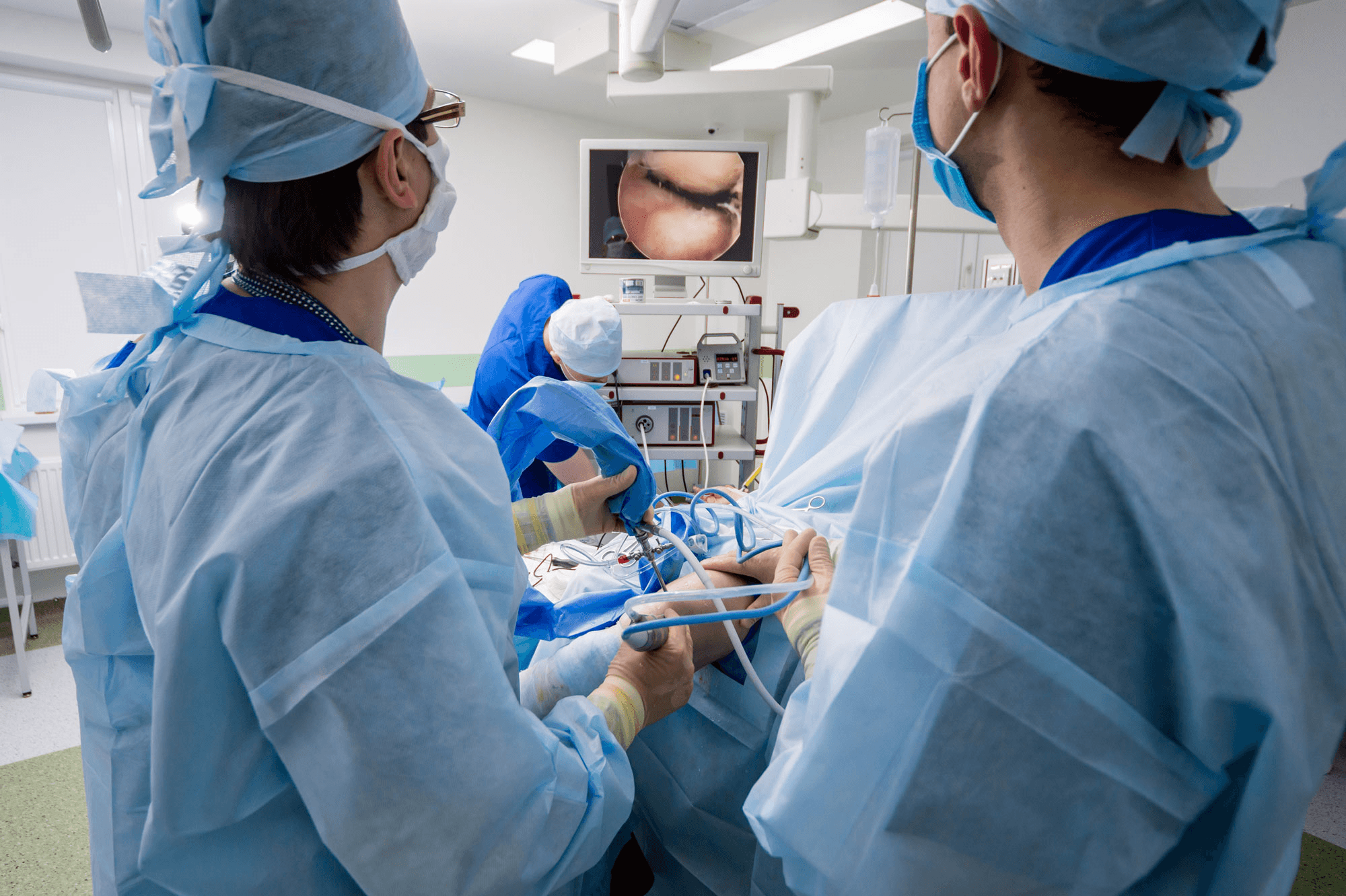
Suitability depends on the size and severity of the cartilage defect. Smaller or early-stage damage can often be effectively treated with injectable gels. The needle-and-curette technique, described by Perez-Carro et al. (2021), offers "a simple, inexpensive and reproducible method to deliver injectable materials during arthroscopy," improving treatment precision even in hard-to-reach joints.
For larger or more complex defects, especially in younger and active patients, cell-based surgery may be the best option, aligned with guidance from health authorities like NICE.
London Cartilage Clinic offers personalised assessment and treatment planning, with Professor Paul Lee leading a patient-centred approach to choosing the right therapy.

Looking Ahead: Research and Emerging Innovations
Cartilage repair is a rapidly evolving field. Researchers are developing next-generation injectable gels that better mimic natural cartilage’s structure and function. These newer scaffolds incorporate smart materials and enhanced biological signals to promote more effective healing.
Cell therapies are advancing too, with exploration of novel stem cell sources, gene editing, and 3D bioprinting, aiming to create cartilage that closely resembles the original in architecture and durability. Combining gels with stem cells or platelet-rich plasma (PRP) is another promising avenue enhancing regeneration.
Clinical studies are ongoing to better understand safety and efficacy, so patients interested in cutting-edge treatments should consult specialists about clinical trials.
Professor Paul Lee remains dedicated to integrating these scientific advances with expert clinical practice to offer the best possible patient outcomes.
Conclusion
Injectable gels and cell-based surgical therapies each play important roles in cartilage repair. Injectable gels provide a minimally invasive, safe option that encourages hyaline-like cartilage growth and offers a quicker recovery, making them well-suited for smaller defects or patients seeking less invasive care.
On the other hand, cell therapies such as MACI are established approaches for durable cartilage repair, particularly for larger or more complex defects, but require surgery and longer rehabilitation.
Choosing the right treatment means balancing clinical evidence with practical factors such as cost, access, and individual needs. Expert advice from experienced orthopaedic professionals such as Professor Paul Lee at London Cartilage Clinic ensures patients receive personalised care and clear guidance.
For specific medical advice, please consult a qualified healthcare professional.
References
- Perez-Carro, L., et al. (2021). Hip chondral defects: Arthroscopic treatment with the needle and curette technique and ChondroFiller. Arthroscopy Techniques, 10(6), e1519–e1527. https://doi.org/10.1016/j.eats.2021.03.011
- Schneider, U. (2016). Controlled, randomized multicenter study to compare compatibility and safety of ChondroFiller liquid (cell free 2-component collagen gel) with microfracturing of patients with focal cartilage defects of the knee joint. Vital Reviews in Nephrology and Plastic Surgery, 5(1), 1–8. https://doi.org/10.5348/VNP05-2016-1-OA-1
- Corain, M., et al. (2023). The use of an acellular collagen matrix ChondroFiller® Liquid for trapeziometacarpal osteoarthritis. Cartilage, Advance online publication. https://doi.org/10.1177/19476035251354926
Frequently Asked Questions
- MSK Doctors, led by Professor Paul Lee, a renowned cartilage expert and surgical ambassador, offers advanced, evidence-based therapies. Professor Lee’s experience ensures patients receive tailored, state-of-the-art care at the London Cartilage Clinic for all types of cartilage damage.
- Injectable gels are minimally invasive, supporting cartilage growth and faster recovery, while cell-based therapies like MACI involve surgery, providing durable repair for larger defects. Professor Paul Lee at MSK Doctors can guide patients in choosing the most suitable approach for their needs.
- Injectable gels work well for smaller or early-stage defects, offering a gentle alternative for surgery-averse patients. Cell-based surgery is preferred for larger, complex injuries, especially in younger, active individuals. Professor Lee’s expertise ensures an accurate assessment and personalised recommendation at MSK Doctors.
- Injectable gels provided at MSK Doctors by Professor Paul Lee are minimally invasive, with encouraging early results, reduced surgical trauma, and quicker recovery. Their safety profile is well-supported in clinical research, making them appealing for patients seeking low-risk cartilage repair options.
- Professor Paul Lee remains at the forefront of innovation, integrating emerging techniques such as next-generation scaffolds and cell therapies. His consulting roles and research activity at the London Cartilage Clinic continuously enhance patient outcomes and promote best practice in regenerative orthopaedic care.
Legal & Medical Disclaimer
This article is written by an independent contributor and reflects their own views and experience, not necessarily those of Liquid Cartilage. It is provided for general information and education only and does not constitute medical advice, diagnosis, or treatment.
Always seek personalised advice from a qualified healthcare professional before making decisions about your health. Liquid Cartilage accepts no responsibility for errors, omissions, third-party content, or any loss, damage, or injury arising from reliance on this material.
If you believe this article contains inaccurate or infringing content, please contact us at [email protected].