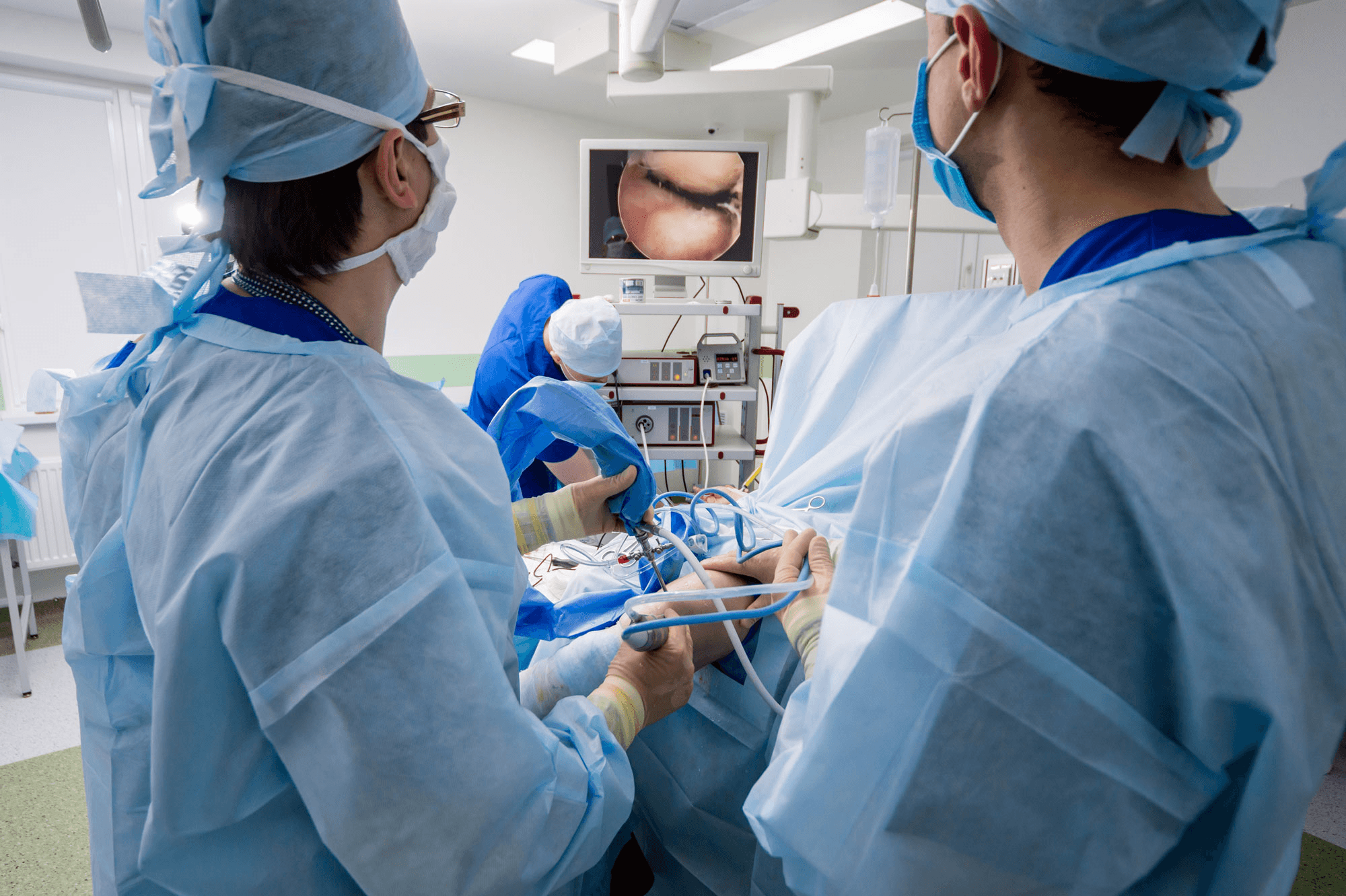

Cartilage Regrowth Gel Treatment Eligibility for Joint Health
Introduction
Cartilage regrowth gel treatments are an exciting and increasingly popular option for people struggling with joint problems, especially those affecting the knee and osteoarthritis. These gel-based therapies offer a less invasive alternative to traditional surgery, attracting patients who want effective relief without the downtime. Knowing who is eligible for these treatments is key to understanding what to expect and making informed decisions.
Leading the way in this field is Professor Paul Lee at the London Cartilage Clinic – a highly respected centre specialising in joint care. With extensive experience in orthopaedics and rehabilitation, Professor Lee and his team carefully assess each patient to determine if cartilage regrowth gel therapy is suitable. This article will walk you through the clinical criteria, who typically makes a good candidate, who should avoid these treatments, how eligibility is assessed, and what to do if gel therapy isn’t for you.
Clinical Criteria for Gel Injections
Cartilage regrowth gel treatments work by injecting a hydrogel that supports the repair and regrowth of damaged cartilage. Backed by science and ongoing research, these treatments aim to reduce pain and improve joint function by encouraging the body’s own healing processes.
To be considered for gel injections, patients usually need a confirmed diagnosis of mild to moderate osteoarthritis or a focal cartilage defect, which doctors verify using X-rays or MRI scans. Often, candidates have tried other treatments like physiotherapy or painkillers without enough success.
Doctors will also consider factors like age, joint condition, activity level, and the extent of cartilage damage when assessing eligibility. Current guidelines recommend a personalised assessment to ensure the best possible outcome.
At specialist centres such as the London Cartilage Clinic, thorough evaluations are conducted. Researchers note that “cells, scaffold therapies, and injectable agents have emerged as an adjunctive modality to improve clinical outcomes” in treating cartilage defects (Perez-Carro et al., 2021). Another study adds that “the ChondroFiller liquid method is a safe and simple workable method. Although clinical experience is limited, all defects were successfully filled” (Schneider, 2016).
Who Makes a Good Candidate?
Candidates for cartilage regrowth gels come in various profiles, but a few common traits stand out. For example, younger patients often want to maintain an active lifestyle and delay more invasive surgery. Adults with early-stage osteoarthritis or isolated cartilage damage often seek minimally invasive treatments like hydrogel injections to ease symptoms and keep their joints working well.
People usually consider these therapies when pain persists despite standard care, or when they prefer to avoid surgery for as long as possible. One recent study highlighted “an improvement in pain symptoms, coupled with increased grip and pincer strength” following treatment (Corain et al., 2023).
Age plays a role too. Younger patients typically heal more effectively, while older patients need a more tailored approach considering other health factors.
Terms like “who can get hydrogel injections” and “osteoarthritis gel treatment” are often used when discussing these patients, underlining that treatment suitability is very much an individual matter supported by growing clinical evidence (Perez-Carro et al., 2021).
Who Should Avoid These Treatments?
Not everyone is a suitable candidate for cartilage gel treatments. Patients with severe joint inflammation, active infections, significant deformities, or advanced widespread osteoarthritis are usually advised against these procedures.
Previous surgeries, such as joint replacements or major reconstructions, may also exclude patients from eligibility. Safety is always the priority, and medical experts agree that treatments should only proceed if there is a clear chance of benefit.
Further, some technical challenges exist. For example, “accessibility is not easy, and the distance between the needle tip and the target area can make delivery of the gel difficult or impossible,” pointing to the need for skilled practitioners to ensure safe and effective treatment (Perez-Carro et al., 2021).
How Doctors Assess Eligibility
The assessment process is thorough and evidence-based. It begins with a detailed medical history and physical examination to understand symptoms, joint function, and any underlying issues. Imaging tests such as MRI and X-rays provide a clear picture of cartilage health.
According to a clinical study, “immediate filling of defects and perfect integration with adjacent cartilage were shown in MRI follow-ups” after treatment with ChondroFiller (Schneider, 2016). Alongside this, experts emphasise that “physical examination and clinical history remain fundamental and cost-effective diagnostic tools” (Corain et al., 2023).
Patients are encouraged to seek assessments at reputable centres like the London Cartilage Clinic, where specialists like Professor Paul Lee guide them carefully through each step. This prevents misdiagnosis and ensures a personalised treatment plan.
What to Do If You’re Not Eligible
If gel-based cartilage regrowth therapy isn’t suitable, there are several other strategies to manage joint health. Physiotherapy remains a mainstay, often combined with tailored pain management. Lifestyle factors such as weight control and exercise adjustments also play an important role in slowing joint deterioration.
When necessary, surgical options including minimally invasive procedures or joint replacements may be discussed. Whatever the path, decisions are best made in partnership with experienced healthcare professionals to achieve the best possible quality of life.
Conclusion and Responsible Advice
In summary, eligibility for cartilage regrowth gel treatments depends on a variety of medical and personal factors. Expert evaluation by healthcare professionals, such as Professor Paul Lee and the team at the London Cartilage Clinic, is essential to identify the best treatment option for each individual.
If you’re considering cartilage regrowth gel therapy, seek a personalised consultation with a qualified specialist who can provide tailored advice based on your unique situation.
For individual medical advice, please consult a qualified healthcare professional.
References
- Perez-Carro, L., Rosi Mendoza Alejo, P., Gutierrez Castanedo, G., Menendez Solana, G., Fernandez Divar, J. A., Galindo Rubin, P., & Alfonso Fernandez, A. (2021). Hip chondral defects: arthroscopic treatment with the needle and curette technique and ChondroFiller. Arthroscopy Techniques, 10(7), e1533–e1539. https://doi.org/10.1016/j.eats.2021.03.011
- Schneider, U. (2016). Controlled, randomized multicenter study to compare compatibility and safety of ChondroFiller liquid (cell free 2-component collagen gel) with microfracturing of patients with focal cartilage defects of the knee joint. International Journal of Case Reports and Images– Videosurgery and Miniinvasive Procedures, 5(1), 1–8. https://doi.org/10.5348/VNP05-2016-1-OA-1
- Corain, M., Zanotti, F., Giardini, M., Gasperotti, L., Invernizzi, E., Biasi, V., & Lavagnolo, U. (2023). The use of an acellular collagen matrix ChondroFiller® Liquid for trapeziometacarpal osteoarthritis. Cartilage. https://doi.org/10.1177/19476035251354926
Frequently Asked Questions
- Professor Paul Lee is a Cartilage Expert, Regional Surgical Ambassador, and advisor for the Royal College of Surgeons of Edinburgh. At MSK Doctors’ London Cartilage Clinic, he leads a respected team specialising in joint care with extensive orthopaedic experience.
- Cartilage regrowth gel treatments involve injecting an advanced hydrogel to support cartilage repair and regrowth. These minimally invasive therapies help reduce joint pain, improve function, and are backed by robust scientific research. MSK Doctors offer thorough assessments to determine suitability.
- Patients should have a confirmed diagnosis of mild to moderate osteoarthritis or a focal cartilage defect, verified by imaging. MSK Doctors, under Professor Lee’s guidance, conduct comprehensive evaluations, factoring in age, joint status, prior treatments, and individual health needs.
- Patients with severe inflammation, active infection, marked joint deformity, or advanced osteoarthritis are usually advised against cartilage gel therapy. Previous extensive surgeries may also influence eligibility, highlighting the importance of skilled expert assessment at MSK Doctors.
- If gel-based treatment is unsuitable, MSK Doctors recommend physiotherapy, personalised pain management, lifestyle adjustments, or surgical consultation if needed. Their team, under Professor Paul Lee, is committed to guiding each patient towards optimal joint health strategies.
Next steps
Where to go from here
These routes are selected from the topic and purpose of this article. They are guidance, not a diagnosis or treatment recommendation.
Learn more
Explore liquid cartilage treatment
Use a structured overview to narrow down the most useful next step for your situation.
Talk to the team
Book a free discovery call
A non-medical call with the team to understand services and choose the right booking route.
Legal & Medical Disclaimer
This article is written by an independent contributor and reflects their own views and experience, not necessarily those of Liquid Cartilage. It is provided for general information and education only and does not constitute medical advice, diagnosis, or treatment.
Always seek personalised advice from a qualified healthcare professional before making decisions about your health. Liquid Cartilage accepts no responsibility for errors, omissions, third-party content, or any loss, damage, or injury arising from reliance on this material.
If you believe this article contains inaccurate or infringing content, please contact us at [email protected].