
Cartilage Damage Diagnosis and Treatment for Improved Joint Mobility
Cartilage is the smooth, flexible tissue that cushions the ends of bones within joints like the knees and hips. It plays a vital role in allowing our joints to move smoothly and without pain. Keeping cartilage healthy is essential for maintaining mobility and comfort. Unfortunately, cartilage can become damaged due to sports injuries, ageing, or accidents. In this article, we’ll take you through how doctors spot cartilage problems and the treatments available to help you regain joint health and ease of movement.
How Healthcare Professionals Diagnose Cartilage Damage
When you visit a doctor with joint discomfort, the first step is a detailed chat about your symptoms. You’ll be asked about the kind of pain you feel, its location, how long you’ve had it, and any swelling or stiffness. Clearly describing these symptoms helps your doctor form a clear picture of what might be going on in your joint.
Next comes a physical examination. The doctor will gently move your joint in different ways, checking for pain, swelling, or any unusual sounds like clicking. For example, during a knee exam, tests such as the McMurray manoeuvre can help detect cartilage or meniscus damage by assessing how your knee reacts to certain movements.
Imaging plays a key role in diagnosis. X-rays, while common, can’t show cartilage itself but can indicate joint space narrowing where cartilage is wearing thin. MRI scans provide detailed images of cartilage, revealing tears or thinning. Ultrasound is also useful for looking at soft tissues around the joint and detecting inflammation. Each technique has its strengths: X-rays are quick and widely accessible; MRI provides detailed soft tissue images; ultrasound offers real-time assessment.
Excitingly, newer methods are emerging. Vibroarthrography, for instance, uses sound waves generated by joint movement to assess cartilage health. A recent study found that “vibroarthrography presents a promising diagnostic modality for cartilage evaluation in clinical setting with the use of MLP and RBF classification methods,” showing high accuracy and sensitivity. Similarly, Patellofemoral Audioarthrography (PFAA) has shown better diagnostic accuracy than MRI in detecting various degrees of cartilage damage, with researchers noting it “had a favourable and accurate predictive value for patellofemoral cartilage lesion diagnosis.”
That said, MRI remains a crucial tool but is not without limits. Research highlights that “this modality however is not reliable for diagnosing short peripheral tears... and partial thickness cartilage lesions,” meaning sometimes more specialised MRI techniques or direct arthroscopy may be necessary.
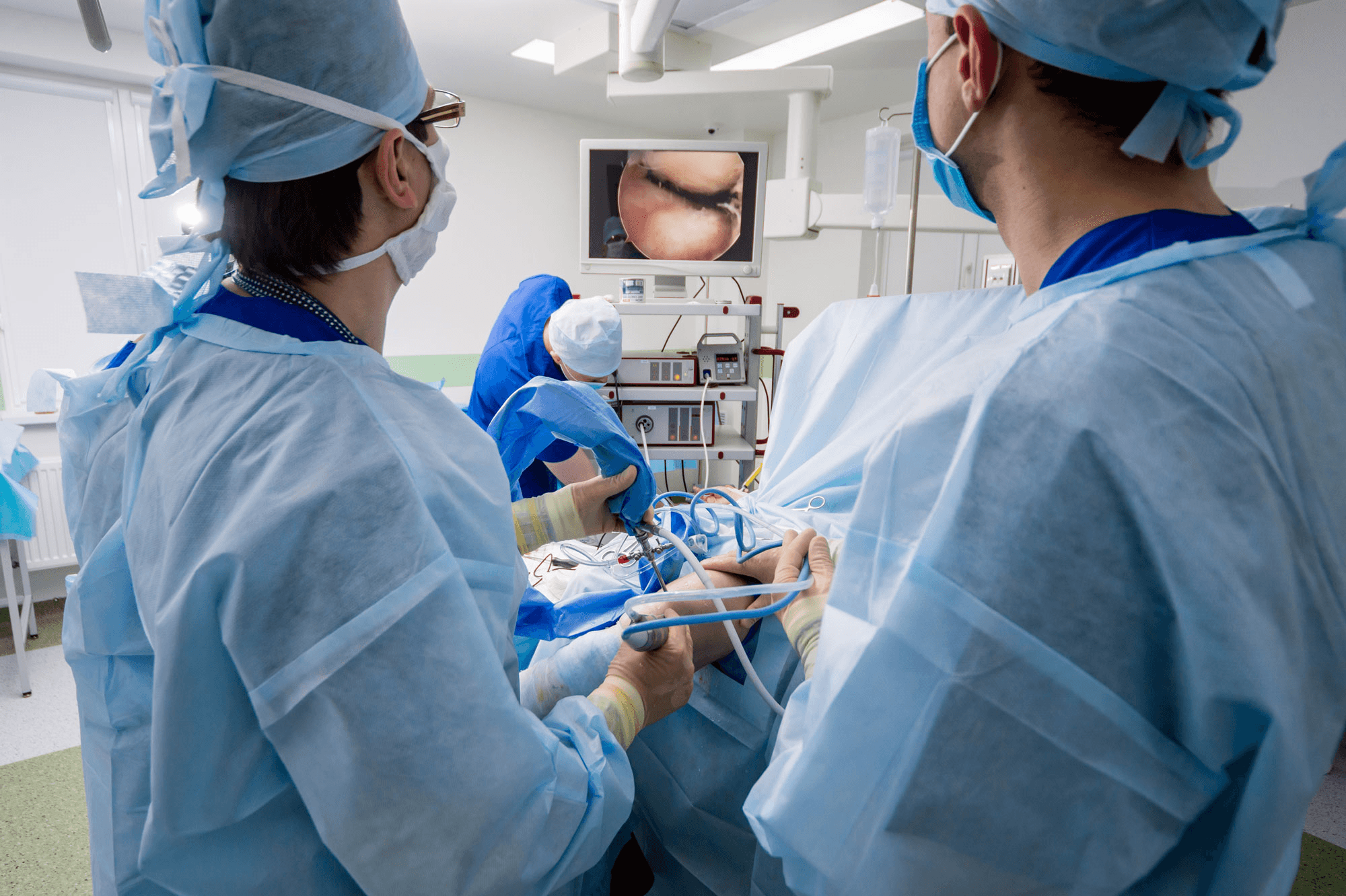
When diagnosis isn’t clear-cut, doctors may recommend arthroscopy, a minimally invasive procedure where a tiny camera is inserted into the joint. This allows direct inspection of the cartilage and can sometimes be used to treat issues during the same visit.
Treatment Pathways for Cartilage Injuries
The right treatment depends on several factors, such as where the damage is, how severe it is, your age, and your activity levels. A younger, active person with a small cartilage injury may need a different approach than an older person with more extensive wear.
For mild injuries, conservative treatments are usually the first port of call. This includes physiotherapy to strengthen surrounding muscles, easing pressure on the damaged cartilage. Medicines like anti-inflammatory drugs can help relieve pain and swelling. Lifestyle changes — such as losing weight or avoiding high-impact exercise — can protect your joints and support healing. Expert clinics provide tailored programmes to help patients manage symptoms and improve joint function.
If the injury is more severe or doesn’t improve with conservative care, surgical treatments may be required. Procedures like microfracture encourage new cartilage growth by creating tiny holes in the bone beneath the injury. Cartilage grafting involves transplanting healthy cartilage cells to repair damage. Arthroscopic surgery can be used to smooth rough areas or remove loose fragments. Surgery is considered carefully, weighing benefits and risks alongside your lifestyle and goals.
Recovery and Rehabilitation Expectations
Healing times vary depending on treatment and injury severity. With conservative care, you might see gradual improvement over weeks or months, with pain control and guided exercises helping restore movement.
Surgical recovery often takes longer and involves more structured rehabilitation. You may need to limit weight on the joint initially while physiotherapy helps regain strength and flexibility. Pain management and rest play a key role during recovery.
Specialist centres, such as the London Cartilage Clinic led by Professor Paul Lee, provide expert care throughout your treatment journey. Their extensive experience in orthopaedics and rehabilitation means you receive personalised support to get the best possible outcome.
Frequently Asked Questions about Cartilage Damage
How do doctors test for cartilage damage?
Doctors rely on patient history, physical exams, imaging tests like MRI and X-rays, and sometimes arthroscopy to diagnose cartilage problems. Newer techniques like vibroarthrography and audioarthrography are showing promise for the future.
What are the chances of regaining full function?
Recovery varies widely depending on the injury, treatment, and patient effort. Many people regain good joint function, though some may need ongoing care to manage symptoms.
It’s important to remember that treatment is tailored to you. Open communication with your healthcare team helps set realistic goals and expectations.
Conclusion and Responsible Disclaimer
Timely diagnosis and a personalised treatment plan are key to managing cartilage injuries effectively and keeping joints healthy. Understanding how doctors identify and treat cartilage damage empowers you to seek the right care and engage actively in your recovery.
For individual medical advice, please consult a qualified healthcare professional.
References
- Leal, C., Rahman, O. F., Hunter, R., Bert, J., Espregueira-Mendes, J., Cugat, R., Santos, E., Radice, F., & Leal-Bernal, C. (2025). Comparison of Audioarthrography and Magnetic Resonance Imaging for Diagnosis of Patellofemoral Cartilage Damage. doi:10.60118/001c.140763
- Koch, J., Ben-Elyahu, R., Khateeb, B., Ringart, M., Nyska, M., Ohana, N., Mann, G., & Hetsroni, I. (2021). Accuracy measures of 1.5-tesla MRI for the diagnosis of ACL, meniscus and articular knee cartilage damage and characteristics of false negative lesions: a level III prognostic study. doi:10.1186/s12891-021-04011-3
- Karpiński, R., Krakowski, P., Jonak, J., Machrowska, A., & Maciejewski, M. (2023). Comparison of selected classification methods based on machine learning as a diagnostic tool for knee joint cartilage damage based on generated vibroacoustic processes. doi:10.35784/acs-2023-40
Frequently Asked Questions
- MSK Doctors, led by Prof Paul Lee, offers expert cartilage diagnostics and personalised treatments. Prof Lee is a recognised Cartilage Expert and Royal College of Surgeons Ambassador, providing advanced care and access to the latest diagnostic and treatment techniques.
- At MSK Doctors, a detailed patient history, specialised physical exams, and cutting-edge imaging techniques are used. Prof Lee’s experience ensures accurate diagnosis, sometimes utilising innovative methods such as vibroarthrography to assess cartilage health not yet widely available elsewhere.
- MSK Doctors offers comprehensive non-surgical treatments, including physiotherapy, personalised exercise programmes, and medication for pain management. Prof Lee ensures each programme is tailored, aiming to help patients regain mobility and function with a focus on individual needs.
- Prof Lee and the MSK Doctors team consider surgical options only when conservative measures do not suffice or damage is more severe. Procedures may include microfracture, cartilage grafting, or minimally invasive arthroscopic techniques, always guided by careful assessment and patient needs.
- Recovery at MSK Doctors is supported with structured rehabilitation programmes and close follow-up from Prof Lee’s team. Their specialist knowledge in orthopaedics ensures patients receive ongoing guidance, pain management, and individualised exercise plans to optimise joint function and long-term health.
Next steps
Where to go from here
These routes are selected from the topic and purpose of this article. They are guidance, not a diagnosis or treatment recommendation.
Recovery route
Explore cartilage damage recovery
Continue with practical recovery and patient-journey information.
Talk to the team
Book a free discovery call
A non-medical call with the team to understand services and choose the right booking route.
Legal & Medical Disclaimer
This article is written by an independent contributor and reflects their own views and experience, not necessarily those of Liquid Cartilage. It is provided for general information and education only and does not constitute medical advice, diagnosis, or treatment.
Always seek personalised advice from a qualified healthcare professional before making decisions about your health. Liquid Cartilage accepts no responsibility for errors, omissions, third-party content, or any loss, damage, or injury arising from reliance on this material.
If you believe this article contains inaccurate or infringing content, please contact us at [email protected].