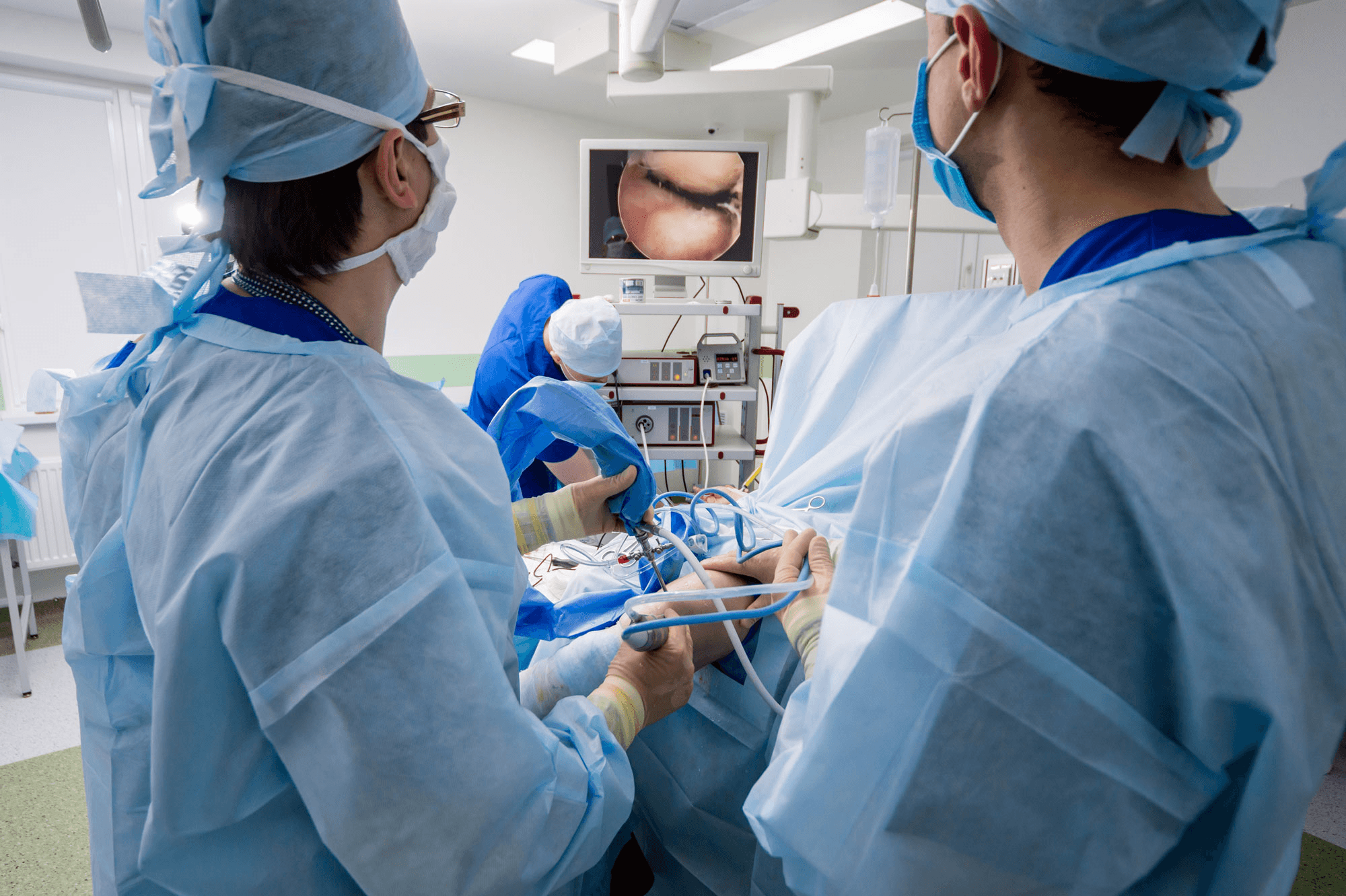

Natural Cartilage Repair for Healthier Joints
Healthy joints are essential for staying active and enjoying daily life. Cartilage, the smooth tissue covering the ends of bones in our joints, allows us to move with ease and cushions impact. Unfortunately, cartilage can become damaged, limiting mobility and causing discomfort, especially as we grow older or face injuries. Understanding how cartilage naturally repairs itself and learning how to support this process at home can make a real difference. This article shares practical, evidence-based tips to help you nurture your cartilage health. We also draw on expert advice from Professor Paul Lee, a leading orthopaedic surgeon specialising in cartilage repair, to bring you trusted guidance.
What Is Cartilage and How Does It Heal?
Cartilage is a tough yet flexible connective tissue that acts like a cushion between bones, helping joints move smoothly. Unlike most tissues, cartilage has no blood vessels and instead relies on the fluid inside the joint for nutrients. This unique feature makes cartilage repair a tricky process.
So, can cartilage heal itself? The answer isn’t straightforward. Small injuries may heal naturally, but larger or long-term damage usually needs extra care. Successful cartilage repair depends on good nutrition, managing inflammation, and consistent self-care. Creating the right conditions for healing—like keeping inflammation down and providing the nutrients cartilage needs—can help your joints recover more effectively.
Medical research highlights that “articular cartilage injury is a serious bone disease that can result in disabilities. With the rapid increase in the aging population, this disorder has become an increasingly important public health issue.” It’s also understood that “cartilage repair remains a considerable challenge in regenerative medicine.”
The Cartilage Repair Diet: What to Eat and Why
What we eat plays a key role in how well our cartilage repairs itself. Certain nutrients provide the building blocks cartilage needs to rebuild, while others help reduce joint inflammation.
Collagen is the main protein forming cartilage. You can support collagen production by eating collagen-rich foods or supplements, especially those from fish. Vitamin C is vital too—it helps form collagen and protects cartilage cells. Find it in fruits like oranges and pomegranates.
Omega-3 fatty acids, plentiful in oily fish such as salmon and mackerel, are well-known for their anti-inflammatory benefits, helping create a healthier environment for cartilage recovery. Antioxidants found in green tea, nuts, and berries fend off damaging molecules called free radicals.
Try simple steps like adding oily fish to your diet twice a week, snacking on nuts, brewing green tea, and including plenty of colourful fruits and legumes. A balanced, protein-rich diet full of these nutrients ensures your body has what it needs to gently support cartilage repair.
Lifestyle Changes That Encourage Cartilage Repair
Cartilage care isn’t just about diet—your daily habits matter too.
Regular, low-impact exercise—think swimming, cycling or brisk walking—stimulates the flow of nourishing joint fluid and strengthens muscles around your joints without causing damage. Keeping a healthy weight eases pressure on your joints and reduces inflammation, helping your body’s repair work.
Staying well hydrated also supports joint lubrication and nutrient delivery, so be sure to drink plenty of water. Plus, good sleep and rest help your body manage inflammation and carry out vital tissue repair.
Studies show that combined lifestyle efforts like these lower inflammation markers and encourage cartilage healing. As recent research explains, “stem cell-based cartilage tissue engineering has emerged as a promising therapeutic option for treating articular cartilage damage.” Fascinatingly, “organoids, miniature three-dimensional (3D) tissue structures… mimic the structure and function of natural organs,” offering exciting new paths for repair.
Start with manageable routines—daily gentle exercise, drinking plenty of fluids, and prioritising rest—to set your joints on the right path.
Expert Insights: Professional Guidance for Joint Health
Professor Paul Lee, an internationally recognised orthopaedic surgeon at the London Cartilage Clinic, stresses that cartilage repair is possible but unique to each person. His approach combines biology, innovative engineering, and clinical expertise to help patients recover.
Innovative treatments like Liquid Cartilage™—which applies a collagen scaffold to stimulate fresh cartilage growth—are promising new tools. Research also shows that “natural and synthetic polymer hydrogel scaffolds can effectively mimic the microenvironment of the natural extracellular matrix… and have attracted increasing attention in bone and cartilage tissue engineering.” Likewise, “3D-printed hydrogel scaffolds are widely utilised in auricular cartilage tissue engineering,” demonstrating rapid progress.
Cutting-edge designs even include “magnetoresponsive hydrogel scaffolds constructed to overcome limitations” related to inflammation or mechanical strength. Plus, the emerging field of organoids offers hope too, since “the construction of cartilage organoids (COs) holds great promise as a novel strategy for cartilage repair,” with “cartilage regenerated with 4-week COs presenting gene expression profiles resembling those of healthy cartilage.”
While these advances are impressive, Professor Lee emphasises that strong foundations in diet and lifestyle remain vital. If you experience ongoing pain or movement difficulties, seeking expert evaluation is essential. A healthcare professional can tailor treatments that combine home strategies with advanced care safely and effectively.
Myths, Realities, and What to Expect
There’s no shortage of myths about cartilage repair. You might have heard that certain “miracle foods” can heal joints instantly or that cartilage can’t heal at all because of lacking blood supply. The truth is more hopeful and realistic—cartilage can repair with time and care, but it isn’t instant.
Expect gradual improvements over weeks or months rather than overnight cures. Treat diet and lifestyle changes as ongoing habits—not quick fixes—to set yourself up for sustained joint health.
With commitment, sensible choices, and expert support if needed, you can give your cartilage the best chance to recover and keep you moving comfortably.
Conclusion
Supporting natural cartilage repair takes a well-rounded approach. A nutrient-rich diet that supports cartilage formation, combined with lifestyle habits that reduce inflammation and strengthen joints, sets the stage for healing. Professional advice can further personalise care and optimise recovery. Starting small today can help protect your joints for tomorrow and beyond.
For individual medical advice, please consult a qualified healthcare professional.
References
- Li, C.-S., Xu, Y., Li, J., Qin, S.-H., Huang, S., Chen, X.-M., Luo, Y., Gao, C., & Xiao, J.-H. (2025). Ultramodern natural and synthetic polymer hydrogel scaffolds for articular cartilage repair and regeneration. BioMedical Engineering OnLine. https://doi.org/10.1186/s12938-025-01342-3
- Zhang, H., Hua, S., He, C., Yin, M., Qin, J., Liu, H., Zhou, H., Wu, S., Yu, X., Jiang, H., Wang, Y., & Qian, Y. (2025). Application of 4D‐Printed Magnetoresponsive FOGS Hydrogel Scaffolds in Auricular Cartilage Regeneration. Advanced Healthcare Materials. https://doi.org/10.1002/adhm.202404488
- Shen, C., Zhou, Q., Wu, X., Han, X.-Y., Zhang, Q., Chen, X., Lai, Y., Bai, L., Jing, Y., Wang, J.-H., Wang, C., Geng, Z., & Su, J. (2025). Accelerating cartilage regeneration with DNA-SF hydrogel sustained release system-based cartilage organoids. Military Medical Research. https://doi.org/10.1186/s40779-025-00625-z
Frequently Asked Questions
- Cartilage lacks blood vessels, making its repair process much slower and more challenging than other tissues. Professor Paul Lee at MSK Doctors uses the latest techniques to address these unique challenges with individualised care.
- Eating a protein-rich diet with collagen, vitamin C, omega-3 fatty acids, and antioxidants helps cartilage. Professor Lee recommends small dietary changes, which can provide the right building blocks to gently support your joint health and maintenance.
- Gentle exercises, maintaining a healthy weight, and staying hydrated all support cartilage repair. Professor Lee and the MSK Doctors team can help you develop a personalised plan, combining these habits with new advances in regenerative medicine.
- Professor Lee, a Cartilage Expert and Royal College of Surgeons Ambassador, offers state-of-the-art solutions like Liquid Cartilage™. The MSK Doctors clinic applies scientific innovation and clinical insight to help you achieve the best outcome for your joints.
- MSK Doctors is led by Professor Paul Lee, a regional surgical ambassador and internationally recognised cartilage expert. Their team delivers evidence-based, compassionate care to evaluate your concerns and tailor advanced, proven treatments for your joint health.
Next steps
Where to go from here
These routes are selected from the topic and purpose of this article. They are guidance, not a diagnosis or treatment recommendation.
Learn more
Explore cartilage repair
Read the reviewed cartilage repair pathway, including who it may help and what happens next.
Talk to the team
Book a free discovery call
A non-medical call with the team to understand services and choose the right booking route.
Legal & Medical Disclaimer
This article is written by an independent contributor and reflects their own views and experience, not necessarily those of Liquid Cartilage. It is provided for general information and education only and does not constitute medical advice, diagnosis, or treatment.
Always seek personalised advice from a qualified healthcare professional before making decisions about your health. Liquid Cartilage accepts no responsibility for errors, omissions, third-party content, or any loss, damage, or injury arising from reliance on this material.
If you believe this article contains inaccurate or infringing content, please contact us at [email protected].