
Knee Cartilage Replacement Surgery Procedures Recovery and NHS Access
Understanding Knee Cartilage Replacement Surgery
Cartilage in the knee acts as a cushion and slick surface between bones, allowing pain-free, smooth movement. When it becomes damaged, whether from injury or wear and tear, stiffness, swelling and pain often follow. Knee cartilage replacement surgery aims to restore this important tissue to improve joint function.
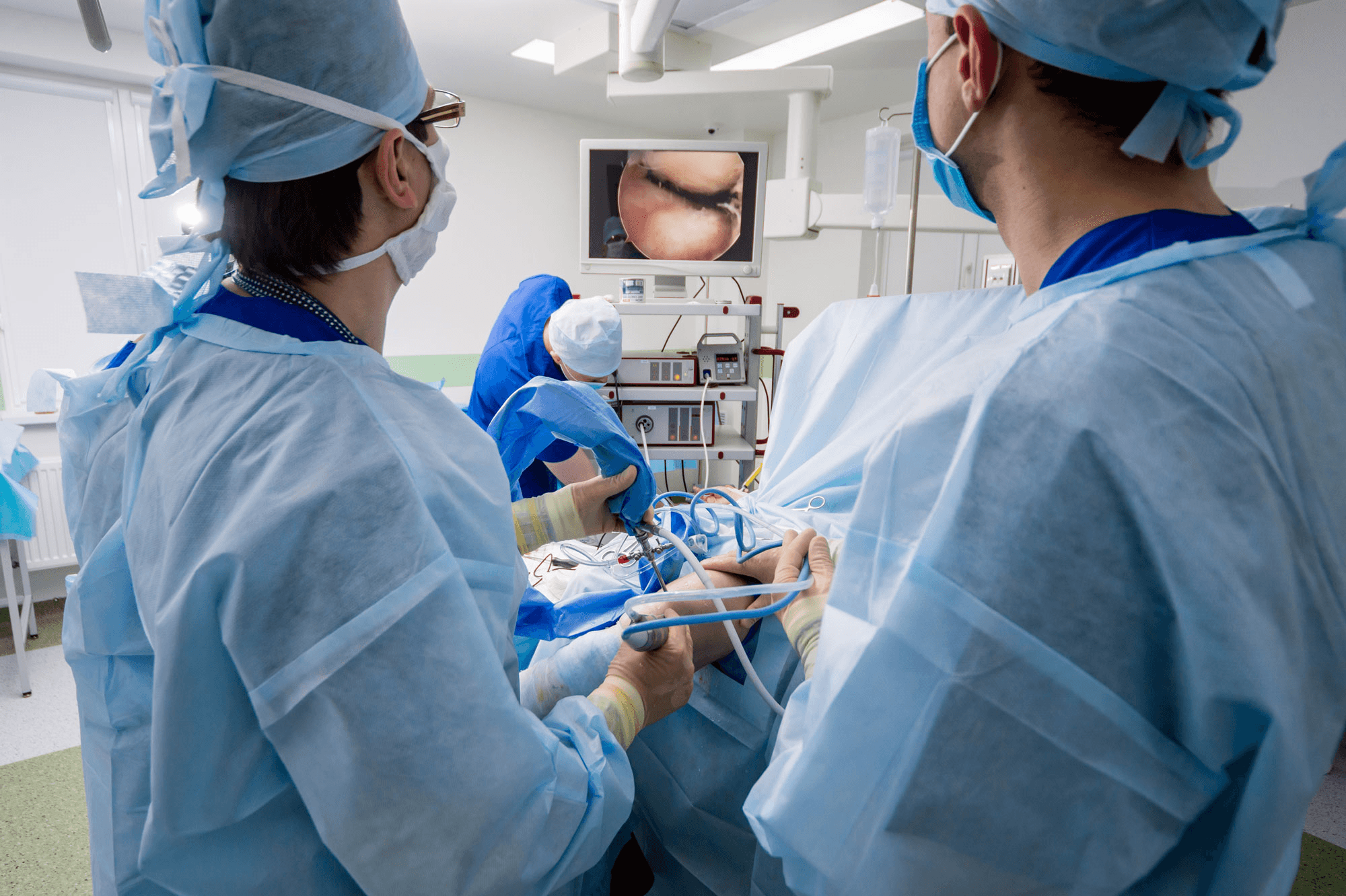
In the UK, surgeons typically perform the operation using either minimally invasive arthroscopic techniques or, in some cases, open surgery. At London Cartilage Clinic, Professor Lee and his team create personalised treatment plans to suit each patient’s condition and lifestyle.
Various approaches exist, including osteochondral autograft transfer and autologous cell-based cartilage treatments. As one recent study noted, “For intermediate-sized lesions, osteochondral autograft transfer and autologous cell-based cartilage treatment have been accepted as the most effective treatment options.”
However, it’s important to be aware that combined or more complex procedures carry additional risks. For example, research has shown that “meniscus allograft transplantation and concomitant procedures lead to additional surgeries, with up to 59% re-operation rate at an average of 43 months.” This highlights the need for thorough discussions about the benefits and limitations before proceeding.
Typically, surgery candidates are adults within a specific age range who have moderate cartilage damage and maintain an active lifestyle, following NHS guidelines that consider these factors.
Understanding your knee surgery procedure means recognising that it’s tailored to your unique situation—and selecting the right candidate helps improve the chances of success.
What to Expect: Recovery Time after Surgery
Recovery from knee cartilage replacement surgery follows a general timeline but varies from person to person. Immediately after surgery, you can expect a hospital stay of a few days for close observation and pain management. Early movement, with guidance from physiotherapists, is key during this time.
Both osteochondral autograft and autologous cell-based techniques have their pros and cons. One study found that “patients who underwent autologous cell-based cartilage treatment were significantly more likely to need revision cartilage restoration surgery compared with those who underwent osteochondral autograft treatment (11.1% vs 7.4%).” It’s important to discuss these risks and expected outcomes with your surgeon.
For those undergoing more complex surgeries, it’s also worth noting that “only 44% return to pre-injury activity level after meniscus allograft transplantation and high tibial osteotomy.” While many will see improvement, a realistic outlook on recovery is essential.
In the weeks following surgery, your focus will be on reducing swelling, gently improving movement and starting weight-bearing exercises. By around six weeks, many patients notice they need less help from walking aids and can bend their knee more comfortably. At three months, most are working on strengthening, though full recovery may take longer depending on individual circumstances.
Throughout recovery, London Cartilage Clinic provides ongoing support and rehabilitation tailored to your progress, helping you manage expectations and optimise outcomes.
Walking and Daily Life after Surgery
Walking again is a major milestone in recovery after knee cartilage surgery. Those who have had minimally invasive procedures may start putting weight on their knee within days, gradually increasing how far they walk, with physiotherapist support. Open surgery patients may need a slower approach, beginning with partial weight-bearing over several weeks.
Returning to daily activities depends on your job and lifestyle. Office workers might go back to work within a few weeks, while those with physical jobs will usually need more time off. Likewise, hobbies and sports generally resume a few months after surgery, increasing gradually as strength and stability return.
It’s reassuring that research shows “no significant difference in the rate of progression to osteoarthritis or need for further knee replacement within two years of initial procedure,” regardless of the treatment used. This means both main surgical options offer similar protection against worsening arthritis in the short term.
On the other hand, when meniscus and cartilage procedures are combined, patient satisfaction with activity levels can be more limited. One study observed that “forty percent are disappointed by level and type of sports participation following meniscus allograft transplantation, and only 14% of those patients would not undergo the procedure again.” Open conversations with your surgeon about what to expect can make all the difference.
Professor Paul Lee stresses the value of an individualised recovery plan based on your personal needs. Following professional rehabilitation and managing pain as advised are vital steps to a smooth recovery and better long-term outcomes.
Cartilage Replacement on the NHS: Access and Eligibility
To access cartilage replacement surgery on the NHS, you’ll usually begin with a referral from your GP. Specialists then assess your eligibility based on factors like cartilage damage, age and activity levels. The goal is to ensure treatment is offered to those most likely to benefit.
Waiting times can vary depending on local demand and resources. Recent NHS policies aim to improve accessibility and make sure patients receive appropriate care.
Alternatively, private clinics such as London Cartilage Clinic offer a well-coordinated environment, although this operates outside the NHS system. Professor Lee encourages patients to discuss options fully with their healthcare team to choose the best pathway for their individual circumstances.
It’s also important to know that having had previous cartilage surgery does not necessarily affect the outcome if you later need knee replacement. Studies show “patients with and without prior cartilage surgery experience similar functional outcomes, readmission rates and revision rates after total knee arthroplasty on the same knee.” This offers reassurance for those facing future surgeries.
Conclusion
Knee cartilage replacement surgery can offer meaningful relief and improved joint function for carefully chosen patients. By understanding the procedure itself, typical stages of recovery and what daily life looks like afterwards, you can face your journey with confidence. Expert support from clinicians like Professor Paul Lee at London Cartilage Clinic is invaluable in achieving the best possible results.
Remember, recovery is a personal process that requires teamwork between you and your clinical team. For advice tailored to your situation, always consult a qualified healthcare professional.
References
- Reinhart, N. M., Tate, J. P., Imonugo, O., Heard, W. M., & Sherman, W. F. (2025). Cartilage Conundrum: Investigating Outcomes in Knee Cartilage Restoration Techniques. Journal of Orthopaedic Research. Advance online publication. https://doi.org/10.1177/23259671251355162
- Khan, I. A., Cozzarelli, N. F., Hohmann, A. L., Siddiqui, H., Tjoumakaris, F. P., Freedman, K. B., & Fillingham, Y. A. (2024). Undergoing cartilage procedures before total knee arthroplasty is not associated with worse postoperative functional outcomes, readmission rates or complication rates. Knee Surgery & Arthroscopy. Advance online publication. https://doi.org/10.1002/ksa.12529
- Piper, M. M., & Gallo, R. A. (2024). Meniscus Allograft Transplantation with Concomitant High Tibial Osteotomy and Cartilage Restoration Risks Re-operations and Potential Worsening Outcomes Following Subsequent Total Knee Arthroplasty. Arthroscopy. Advance online publication. https://doi.org/10.1016/j.arthro.2024.09.035
Frequently Asked Questions
- Knee cartilage replacement surgery at MSK Doctors, led by Prof Lee, offers personalised treatment plans, advanced techniques, and expert aftercare. Their evidence-based approach aims to restore knee function and improve quality of life for each patient.
- Ideal candidates for surgery with Professor Lee typically have moderate cartilage damage, maintain an active lifestyle, and meet NHS or clinical guidelines. Patient selection is tailored to each individual, ensuring the best possible outcomes with expert advice.
- Professor Paul Lee is a cartilage specialist, Regional Surgical Ambassador, and Royal College of Surgeons Advisor. His extensive experience, innovative techniques, and commitment to patient-centred care make him a prominent authority in cartilage treatment at London Cartilage Clinic.
- MSK Doctors, under Professor Lee, provide ongoing, individualised rehabilitation support tailored to patient progress. Their team ensures expert guidance during recovery, helping patients optimise outcomes, manage expectations, and work confidently towards returning to everyday activities or sport.
- Previous cartilage surgeries do not necessarily affect future options with Professor Lee. Research shows similar outcomes for patients with or without prior procedures, and personalised assessments help determine the most effective pathway for each patient.
Next steps
Where to go from here
These routes are selected from the topic and purpose of this article. They are guidance, not a diagnosis or treatment recommendation.
Recovery route
Explore recovery guidance
Continue with practical recovery and patient-journey information.
Talk to the team
Book a free discovery call
A non-medical call with the team to understand services and choose the right booking route.
Legal & Medical Disclaimer
This article is written by an independent contributor and reflects their own views and experience, not necessarily those of Liquid Cartilage. It is provided for general information and education only and does not constitute medical advice, diagnosis, or treatment.
Always seek personalised advice from a qualified healthcare professional before making decisions about your health. Liquid Cartilage accepts no responsibility for errors, omissions, third-party content, or any loss, damage, or injury arising from reliance on this material.
If you believe this article contains inaccurate or infringing content, please contact us at [email protected].