
Cruciate Ligament Surgery Options and Recovery Insights
Introduction
Cruciate ligament injuries, especially those involving the anterior cruciate ligament (ACL), are quite common and can greatly affect a person’s ability to move and carry out daily activities. These ligaments are essential for keeping the knee stable during movement, so when they are damaged, it often leads to pain, instability, and difficulty in sports or everyday tasks. For anyone facing such an injury, it is important to understand the different cruciate ligament surgery options available to make informed choices about treatment. This article offers a clear and reassuring guide to help you navigate these options with confidence.
Types of Cruciate Ligament Surgery
There are several types of knee reconstruction commonly used to repair a torn ACL. The most typical are autografts, allografts, and minimally invasive arthroscopic procedures.
An autograft uses the patient’s own tissue—usually from the hamstring or patellar tendon—to replace the damaged ligament. This technique often delivers strong, lasting results but requires extra recovery time at the site where the tissue is taken. Alternatively, an allograft uses donor tissue, which can shorten surgery time and reduce initial discomfort, though it may carry a slightly higher risk of slower healing.
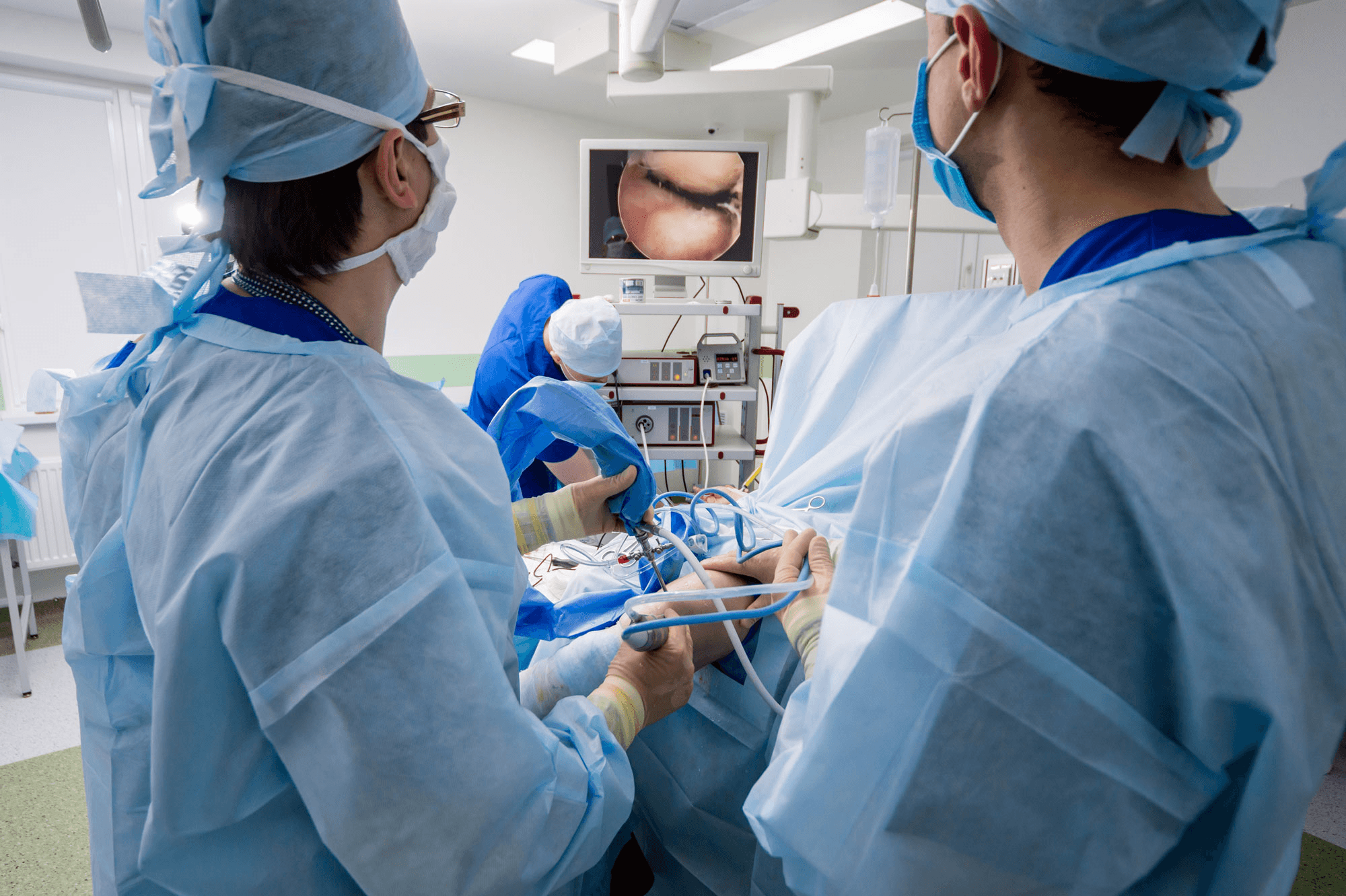
Minimally invasive surgery, typically done arthroscopically, involves small cuts and special instruments to rebuild the ligament. This method usually means less pain and a faster recovery compared with traditional open surgery.
Another decision is whether to have single-bundle or double-bundle reconstruction. As one study points out, “anatomic double-bundle reconstruction is not superior to anatomic single-bundle reconstruction when an individualized ACL reconstruction technique is used.” This highlights how important it is for surgeons to tailor the procedure to the individual’s knee anatomy and needs.3
Each surgery type has its benefits and things to consider, and the best choice depends on the patient’s specific situation. Professor Paul Lee, a leading expert in orthopaedics and rehabilitation, supports using these modern techniques based on the latest research and clinical experience.
Who Needs Surgery?
Surgery is not always the first step for every cruciate ligament injury. Several factors help decide if an operation is necessary. Surgery is usually recommended for more severe tears, for younger, active people, or when a patient’s lifestyle demands a stable knee. It’s also an option when non-surgical treatments such as physiotherapy or bracing haven’t restored knee function.
Health professionals carefully assess the injury’s severity, the patient’s age, activity level, and overall health to determine the best course of action. Patients should feel comfortable asking questions like, “What are the risks and benefits of surgery for me?” or “How will this affect my knee long-term?”
At the London Cartilage Clinic, patients receive thorough assessments in a supportive environment, helping them make confident decisions about their care.
Free non-medical discussion
Not sure what to do next?
Information only · No medical advice or diagnosis.
What Happens During Surgery?
Cruciate ligament reconstruction is performed in a hospital or specialist centre, usually under general or regional anaesthesia. On surgery day, patients go through preparation before the procedure begins.
Traditional open surgery means a larger incision to reach the ligament, while minimally invasive arthroscopic surgery uses much smaller cuts and a tiny camera to guide the surgeon. This less invasive technique typically results in less pain, smaller scars, and a quicker recovery.
Patient safety and precision are top priorities in modern surgery. The Royal College of Surgeons of Edinburgh, working alongside experts like Professor Paul Lee, ensures these high standards are met across the UK. This means patients can trust their treatment is based on the latest, most effective practices.

Post-Operative Recovery
Recovery after ligament surgery is a step-by-step process, starting right after the operation and continuing through rehabilitation. At first, managing pain and swelling with medication and rest is vital.
Physiotherapy is key to regaining knee strength, flexibility, and function. Understanding the recovery journey helps set realistic goals and encourages patients to stay motivated. Research shows that “after anterior cruciate ligament surgery, exercises with blood flow restriction proved more efficient for improving the muscle strength of the quadriceps and hamstrings, and the physical function of the knee than the same exercises without blood flow restriction.” In fact, “the use of blood flow restriction in rehabilitation exercises after anterior cruciate ligament reconstruction was shown to be more efficient for muscle strength gain in the quadriceps and hamstrings and improvement in knee physical function.”1
Psychological readiness is also a crucial factor in recovery. One study found that “having a greater psychological readiness to return during rehabilitation was the most significant predictor of a subsequent return to comparable performance.” Additionally, “a majority of athletes who returned to sport after ACL reconstruction reported that their performance was comparable with preinjury.”2
Rehab usually starts with gentle movements and weight-bearing exercises, gradually progressing to more challenging activities that rebuild knee stability. The London Cartilage Clinic offers expert physiotherapy and continuous support tailored to each person’s needs, maximising the chances of a full recovery. Following medical advice carefully during this time is essential to minimise complications and get back to normal or sporting activities safely.
Conclusion
Knowing your cruciate ligament surgery options and understanding the recovery process puts you in control of your treatment journey. Speaking openly with a qualified healthcare professional will help identify the best approach based on your individual circumstances.
With expert care from centres like the London Cartilage Clinic and insights from specialists such as Professor Paul Lee, you can be confident you’re receiving top-quality, evidence-based treatment tailored just for you. For personalised medical advice, always consult a qualified healthcare professional.
References
- De Melo, R. F. D., Komatsu, W., de Freitas, M. S., de Melo, M. E. V., & Cohen, M. (2022). Comparison of quadriceps and hamstring muscle strength after exercises with and without blood flow restriction following anterior cruciate ligament surgery: A randomized controlled trial. Journal of Rehabilitation Medicine, 54. https://doi.org/10.2340/jrm.v54.2550
- Webster, K., McPherson, A. L., Hewett, T., & Feller, J. (2019). Factors associated with a return to preinjury level of sport performance after anterior cruciate ligament reconstruction surgery. The American Journal of Sports Medicine, 47(12), 2767–2776. https://doi.org/10.1177/0363546519865537
- Hussein, M., van Eck, C. V., Čretnik, A., Dinevski, D., & Fu, F. H. (2012). Individualized anterior cruciate ligament surgery. The American Journal of Sports Medicine, 40(8), 1781–1788. https://doi.org/10.1177/0363546512446928
Frequently Asked Questions
- MSK Doctors offers autograft, allograft, and minimally invasive arthroscopic surgeries for cruciate ligament injuries. Professor Paul Lee, a cartilage expert and recognised surgical ambassador, utilises advanced techniques to provide tailored care based on each patient’s specific knee anatomy and needs.
- Surgery is usually considered for those with severe tears, younger active patients, or when non-surgical options have not restored function. Professor Paul Lee and the MSK Doctors team provide thorough assessments to help recommend the best approach for each individual situation.
- Professor Paul Lee combines his extensive experience as a cartilage expert and Royal College of Surgeons ambassador with the latest surgical methods. His individualised approach at MSK Doctors ensures each procedure is adapted to the patient’s unique knee structure and functional demands.
- At MSK Doctors, recovery is carefully managed with tailored physiotherapy and continuous support. Professor Paul Lee’s expertise ensures evidence-based rehabilitation strategies, including the use of blood flow restriction training, to maximise strength, knee function, and psychological readiness for return to daily activities.
- Professor Paul Lee’s status as a cartilage expert and advisory roles with the Royal College of Surgeons highlight his leadership. Patients at MSK Doctors benefit from his advanced expertise, up-to-date practices, and a commitment to personalised, high-quality care in cruciate ligament injury management.
Legal & Medical Disclaimer
This article is written by an independent contributor and reflects their own views and experience, not necessarily those of Liquid Cartilage. It is provided for general information and education only and does not constitute medical advice, diagnosis, or treatment.
Always seek personalised advice from a qualified healthcare professional before making decisions about your health. Liquid Cartilage accepts no responsibility for errors, omissions, third-party content, or any loss, damage, or injury arising from reliance on this material.
If you believe this article contains inaccurate or infringing content, please contact us at [email protected].