
Advances and Challenges in Cartilage Regrowth Gels for Joint Repair
Introduction: Why Cartilage Repair Matters
Regenerative medicine is an exciting area of science that’s exploring ways to heal damaged tissues beyond what traditional treatments can achieve. Cartilage repair is one such frontier, crucial because cartilage acts as the cushion in our joints, allowing smooth and pain-free movement. Unfortunately, cartilage has a very limited ability to heal itself after injury or wear, often leaving people with chronic pain and reduced mobility—especially those with osteoarthritis. New advances involving hydrogels and biocompatible gels are creating fresh hope for repairing cartilage more effectively. However, while these innovations are promising, it’s important to understand both the progress made and the challenges we still face in bringing these treatments into everyday use.
Understanding How Cartilage Regrowth Gels Work
Cartilage regrowth gels come in various forms, including hydrogels, cell-free collagen matrices like ChondroFiller, and polymer scaffolds. Essentially, these gels create a supportive ‘home’ for the body’s cartilage-producing cells, known as chondrocytes, encouraging them to grow new tissue. Think of it as providing the right scaffolding and nurturing environment for repair to take place.
Recent research describes ChondroFiller Liquid® as a “resorbable filler based on type I collagen and a neutralising solution.” Its job is to form a protective layer over cartilage damage, stimulating chondrocytes to regenerate cartilage. Understanding these biological underpinnings helps explain why such gels are a key focus of ongoing studies aimed at turning laboratory success into real-world treatments.
Progress in Clinical Use Across Europe
Progress is being made, particularly in Europe, where clinical trials are exploring how well these gels work and how safe they are. Encouragingly, early results show improvements in pain and joint function over several months following treatment. Such gels could offer alternatives to more invasive surgery, giving patients options for quicker and less disruptive recovery.
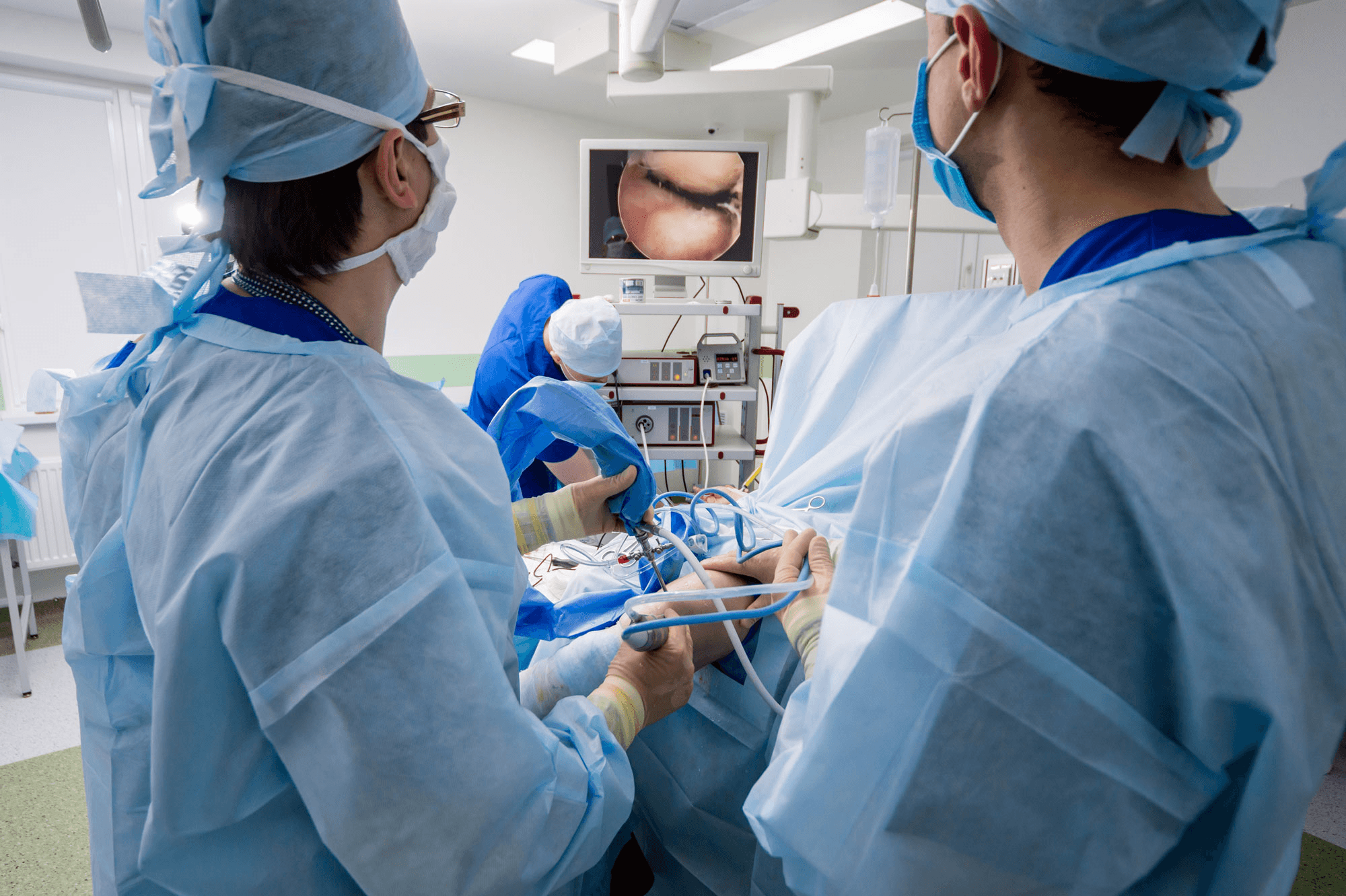
For example, in treating cartilage defects in the hip, clinicians have highlighted using ChondroFiller in a simple “1-step arthroscopic procedure.” However, they also report practical challenges: “in many cases, accessibility is not easy, and the distance between the tip of the needle and the area to be treated is such that the efficiency of the release is difficult, if not impossible.” This shows that while the technology is advancing, technical hurdles remain.
Experts such as Professor Paul Lee and clinics like the London Cartilage Clinic exemplify the professional care and expertise patients can expect when exploring these emerging treatments. These centres support patients by combining cutting-edge therapies with thorough clinical oversight.
What Are the Current Limitations?
Despite the optimism, there are still important limitations to be aware of. One key issue is the lack of long-term data showing how well these gels maintain cartilage repair over years. Patient results vary depending on age, severity of damage, and other factors, making it difficult to guarantee success for everyone.
Another practical point involves the mechanics of treatment delivery. It’s noted that “the distance between the tip of the needle and the area to be filled should be minimal to ensure full contact with the chondral lesion,” to prevent loss of the gel inside the joint and improve effectiveness. Such technical details illustrate why careful patient selection and skilled application are essential.
It’s also important to remember that despite all the high-tech progress, “physical examination and clinical history are still the basic and low-cost diagnostic methods” guiding treatment decisions. As many regenerative therapies are still in early use, they supplement rather than replace traditional surgical options, and costs and regulatory restrictions currently limit their accessibility.
Looking Ahead: The Future of Cartilage Regeneration
The next decade promises further advances that could make these therapies more effective and widely available. Scientists are working on ‘smart’ hydrogels that adapt to their environment, releasing helpful molecules exactly when needed, or changing their properties as healing progresses.
Increased collaboration between researchers, clinicians, and specialist centres will be crucial to refining these treatments and embedding them within routine care. Patients can look forward to more personalised approaches, combining gels with cells or other biologics for even better results.
While cautious optimism is wise, progress in research and overcoming practical barriers will hopefully make cartilage regrowth gels a more common and reliable tool for joint health in the near future.
Conclusion: Hope with Realism
In closing, cartilage regrowth gels are an exciting development in the field of regenerative medicine, offering new hope for treating joint damage with less invasive options. Yet it’s essential to recognise the current limits of evidence, varying individual responses, and ongoing practical challenges.
Anyone considering these treatments should seek advice from trusted cartilage specialists who provide detailed assessments and up-to-date information. Realistic expectations combined with expert guidance are the best way to navigate this promising but evolving area of medicine.
For personalised medical advice, always consult a qualified healthcare professional.
References
- Schneider, U. (2016). Controlled, randomized multicenter study to compare compatibility and safety of ChondroFiller liquid (cell free 2-component collagen gel) with microfracturing of patients with focal cartilage defects of the knee joint. Vision Science and Physiology, 2(1), 1-6. https://doi.org/10.5348/VNP05-2016-1-OA-1
- Perez-Carro, L., Mendoza Alejo, P. R., Gutierrez Castanedo, G., Menendez Solana, G., Fernandez Divar, J. A., Galindo Rubin, P., & Alfonso Fernandez, A. (2021). Hip Chondral Defects: Arthroscopic Treatment With the Needle and Curette Technique and ChondroFiller. Arthroscopy Techniques, 10(6), e1443-e1450. https://doi.org/10.1016/j.eats.2021.03.011
- Corain, M., Zanotti, F., Giardini, M., Gasperotti, L., Invernizzi, E., Biasi, V., & Lavagnolo, U. (2023). The Use of an Acellular Collagen Matrix ChondroFiller® Liquid for Trapeziometacarpal Osteoarthritis. Cartilage, Advance online publication. https://doi.org/10.1177/19476035251354926
Frequently Asked Questions
- Cartilage repair is crucial as cartilage cushions our joints, enabling smooth movement. Damaged cartilage can lead to persistent pain and reduced mobility. Modern regenerative therapies, such as those offered by MSK Doctors, aim to address these limitations effectively.
- Cartilage regrowth gels act as scaffolds, providing a supportive environment for cartilage-producing cells to regenerate tissue. At MSK Doctors, Professor Lee uses advanced gels, harnessing cutting-edge science for optimal patient outcomes in cartilage repair.
- MSK Doctors, led by Professor Paul Lee—an internationally recognised cartilage expert and Royal College of Surgeons Ambassador—combine clinical innovation with extensive experience. Their expertise ensures patients receive thorough assessment and access to the latest regenerative therapies for cartilage repair.
- Patients should be aware that results vary due to individual differences, and long-term outcome data remains limited. Skilled application, as provided by Professor Lee and MSK Doctors, is pivotal for effectiveness, and ongoing research continues to refine these therapies.
- The future is promising, with advances like 'smart' hydrogels and more personalised approaches on the horizon. MSK Doctors and Professor Lee remain at the forefront, ensuring patients benefit from evolving, state-of-the-art treatments as research progresses further.
Next steps
Where to go from here
These routes are selected from the topic and purpose of this article. They are guidance, not a diagnosis or treatment recommendation.
Recovery route
Explore cartilage repair recovery
Continue with practical recovery and patient-journey information.
Talk to the team
Book a free discovery call
A non-medical call with the team to understand services and choose the right booking route.
Legal & Medical Disclaimer
This article is written by an independent contributor and reflects their own views and experience, not necessarily those of Liquid Cartilage. It is provided for general information and education only and does not constitute medical advice, diagnosis, or treatment.
Always seek personalised advice from a qualified healthcare professional before making decisions about your health. Liquid Cartilage accepts no responsibility for errors, omissions, third-party content, or any loss, damage, or injury arising from reliance on this material.
If you believe this article contains inaccurate or infringing content, please contact us at [email protected].