
Weighing the Benefits and Drawbacks: Gel Injections Versus Advanced Surgical Cartilage Repair for Knee Joint Problems
Introduction
If you’re dealing with knee or joint cartilage damage, choosing the right treatment can be overwhelming. On one hand, there are less invasive options like gel injections, often called viscosupplementation, which aim to ease pain and improve joint function. On the other, there are more advanced surgical techniques designed to repair and regenerate damaged cartilage. This article aims to clarify these two approaches so you can better understand their benefits, limitations, and what might be best for you.
We draw on the expertise of Professor Paul Lee, a leading figure in orthopaedics and cartilage rehabilitation, as well as the patient-centred care provided at the London Cartilage Clinic. Most importantly, we encourage you to discuss any options with your healthcare professional to find the most suitable path for your individual needs.
Understanding Gel Injections: What Are They and How Do They Work?
Gel injections involve adding a lubricating substance, typically hyaluronic acid (HA), directly into the knee joint. HA is a natural component of the joint’s fluid that cushions and lubricates to allow smooth movement. When cartilage wears down, as in osteoarthritis, the joint fluid loses some HA, causing pain and stiffness.
By injecting HA, viscosupplementation seeks to restore this cushioning, reducing pain and improving mobility. The procedure is quick, usually done as an outpatient treatment, and minimally invasive — meaning no cuts or general anaesthetic.
Gel injections are most often recommended for people with mild to moderate osteoarthritis or early cartilage damage. Relief tends to build gradually and, on average, lasts between three and twelve months. This makes gel injections a convenient and low-risk option for symptom management.
However, it is important to understand that gel injections mainly provide temporary relief. They do not regenerate or repair the cartilage itself but help ease symptoms enough to improve quality of life, particularly for those wishing to delay or avoid surgery.
Exploring Surgical Cartilage Repair: New Techniques and Who They Are For
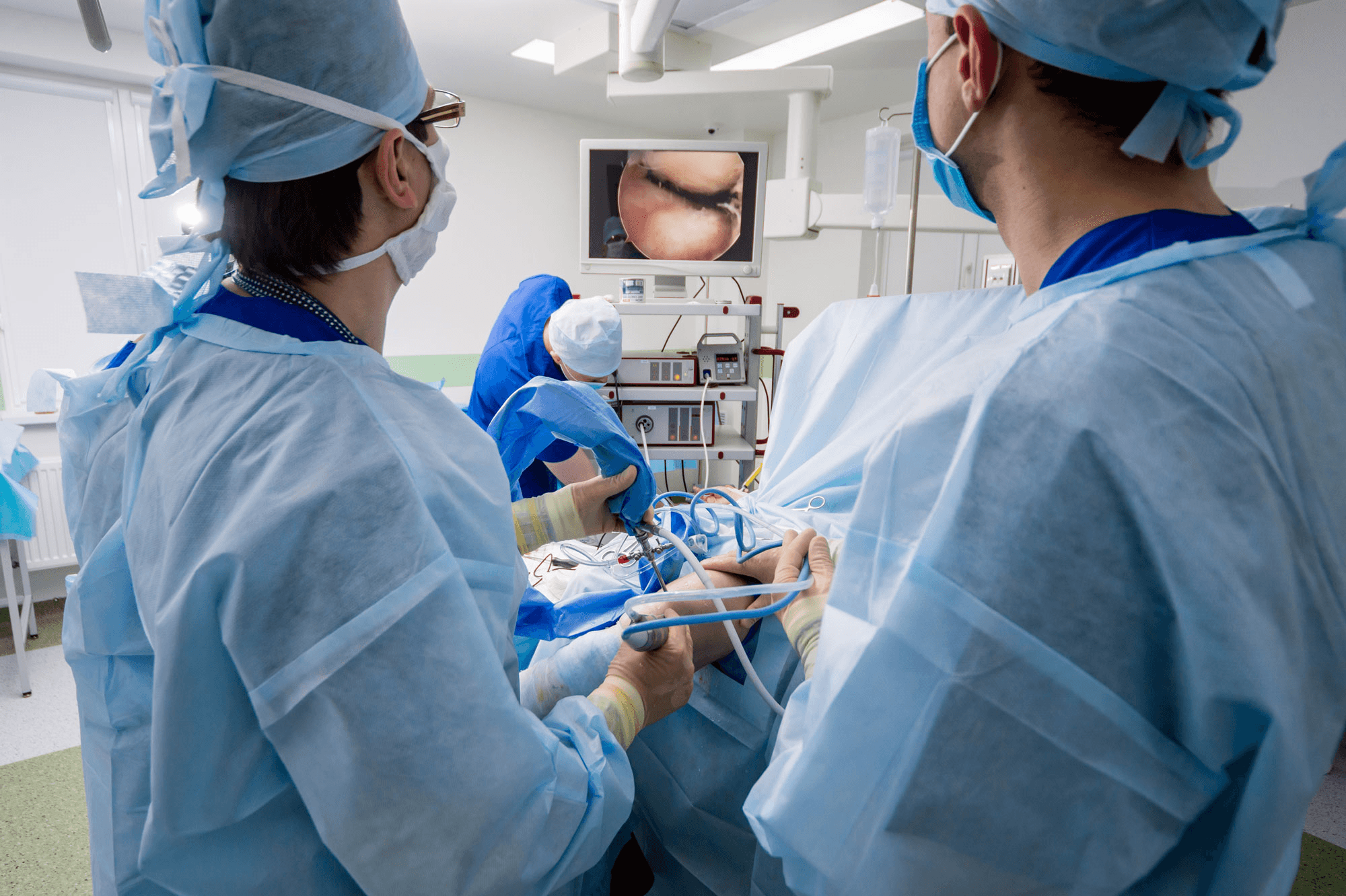
Advanced surgical cartilage repair takes a different approach: it aims to fix the damaged cartilage rather than just relieve symptoms. One of the promising options uses ChondroFiller liquid, a special gel made from collagen — a protein that forms part of the cartilage structure. This gel is injected during keyhole (arthroscopic) surgery to fill cartilage defects and encourage new tissue growth.
As described in recent findings, ChondroFiller liquid “forms a protective layer around the cartilage defect while stimulating the growth of cartilage cells and encouraging cartilage regeneration”. This one-step procedure is minimally invasive and offers the potential for longer-lasting improvement by helping the body repair the damaged cartilage itself.
These surgical options are typically recommended for patients with specific, localised cartilage injuries or those who have tried conservative treatments without sufficient improvement. Good joint alignment and limited overall arthritis also increase the likelihood of success.
Professor Paul Lee and his London Cartilage Clinic team have solid experience with such cartilage repairs, offering supportive care through surgery and recovery. While gel injections provide temporary symptom relief, surgery offers a chance to restore cartilage structure and function, albeit with a more involved procedure and longer recovery.
Free non-medical discussion
Not sure what to do next?
Information only · No medical advice or diagnosis.
Effectiveness and Suitability: Which Treatment Matches Your Needs?
When considering effectiveness, gel injections typically offer moderate relief for several months up to about a year. Surgical cartilage repair tends to provide more lasting results, supported by research showing improvement in joint function and tissue regeneration that can continue for years.
A clinical study testing ChondroFiller showed that “the implant integrates perfectly with the surrounding cartilage from the start, and over time impressive maturation of the reconstructed cartilage occurs.” Patients experienced significant improvement, with results maintained at one year follow-up.
Gel injections suit those with more generalised arthritis who want a low-risk treatment with quick recovery. Surgery is better for patients with smaller, focused cartilage defects who can commit to the longer rehabilitation involved and hope for a more permanent fix.
Both treatments come with risks; gel injections might cause temporary swelling or discomfort, while surgery, as with all operations, carries risks of infection and requires time for healing.
Open and honest dialogue with an experienced healthcare provider, such as Professor Lee, is key to finding the right treatment plan based on your symptoms, lifestyle, and expectations.

Recovery and Rehabilitation: What to Expect After Treatment
Recovery from gel injections is typically quick, allowing most people to return to normal activities almost immediately. Gentle movement and low-impact exercise are encouraged to maintain joint health.
Surgical cartilage repair requires a more gradual recovery process. Patients usually avoid putting full weight on the knee for several weeks to protect the repair site. Following this, a tailored physiotherapy programme helps restore strength and flexibility. Full healing and cartilage maturation can take from one to two years, with activity levels steadily increased over time.
The London Cartilage Clinic offers personalised rehabilitation support to help patients maximise recovery and achieve the best possible long-term joint function.
Conclusion
Both gel injections and advanced surgical cartilage repair play important roles in managing knee cartilage problems. Gel injections provide a simple, minimally invasive way to relieve symptoms in mild to moderate cases. Surgery, especially with innovations like collagen-based gels, offers a promising route for repairing cartilage and restoring joint function in suitable patients.
Consultation with specialists, such as Professor Paul Lee and his team at the London Cartilage Clinic, is invaluable in choosing the best approach. Remember, personalised, evidence-based advice from your healthcare provider is essential before deciding on any treatment.
For individual medical advice, please consult a qualified healthcare professional.
References
Perez-Carro, L., Mendoza Alejo, P. R., Gutierrez Castanedo, G., Menendez Solana, G., Fernandez Divar, J. A., Galindo Rubin, P., & Alfonso Fernandez, A. (2021). Hip chondral defects: Arthroscopic treatment with the needle and curette technique and ChondroFiller. Arthroscopy Techniques. https://doi.org/10.1016/j.eats.2021.03.011
Corain, M., Zanotti, F., Giardini, M., Gasperotti, L., Invernizzi, E., Biasi, V., & Lavagnolo, U. (2023). The use of an acellular collagen matrix ChondroFiller® Liquid for trapeziometacarpal osteoarthritis. https://doi.org/10.1177/19476035251354926
Schneider, U. (2016). Controlled, randomized multicenter study to compare compatibility and safety of ChondroFiller liquid (cell free 2-component collagen gel) with microfracturing of patients with focal cartilage defects of the knee joint. https://doi.org/10.5348/VNP05-2016-1-OA-1
Frequently Asked Questions
- Gel injections, such as those using hyaluronic acid, provide temporary symptom relief by lubricating the joint. In contrast, surgical cartilage repair aims to restore damaged cartilage structure, often with advanced techniques, for longer-lasting improvement in suitable patients.
- Patients receive care overseen by Professor Paul Lee, a renowned cartilage expert and Regional Surgical Ambassador. His extensive experience, combined with the clinic’s advanced techniques, offers patients evidence-based options and personalised rehabilitation support for cartilage-related problems.
- Gel injections primarily offer temporary relief, lasting a few months up to a year. Surgical cartilage repair, particularly with innovations like ChondroFiller, tends to provide more durable benefits by supporting the body’s ability to regenerate cartilage and improve joint function over time.
- Recovery from gel injections is typically rapid, with minimal downtime required. However, surgical procedures necessitate a longer rehabilitation period, including initial weight-bearing restrictions and a guided physiotherapy programme, supported by MSK Doctors to help regain strength and flexibility.
- Individual needs and joint conditions vary, so consultation with a specialist like Professor Paul Lee ensures evidence-based, personalised advice. MSK Doctors prioritise patient safety and informed choices, helping each patient select the most appropriate treatment for their unique situation.
Legal & Medical Disclaimer
This article is written by an independent contributor and reflects their own views and experience, not necessarily those of Liquid Cartilage. It is provided for general information and education only and does not constitute medical advice, diagnosis, or treatment.
Always seek personalised advice from a qualified healthcare professional before making decisions about your health. Liquid Cartilage accepts no responsibility for errors, omissions, third-party content, or any loss, damage, or injury arising from reliance on this material.
If you believe this article contains inaccurate or infringing content, please contact us at [email protected].