
Unraveling ChondroFiller: Adhesive Sealant or Regenerative Seed?
Cartilage damage is a common challenge in orthopaedics, often leading patients and doctors alike to ask: does ChondroFiller act more like a glue that seals injuries, or like a seed that helps new cartilage grow? At its core, ChondroFiller is a biocompatible collagen matrix created to support cartilage repair by serving as a scaffold for healing. In this article, we'll explore whether its true strength lies in its adhesive ability or in its power to spark regeneration , bringing together the latest research and clinical expertise.
What Is ChondroFiller and How Does It Work?
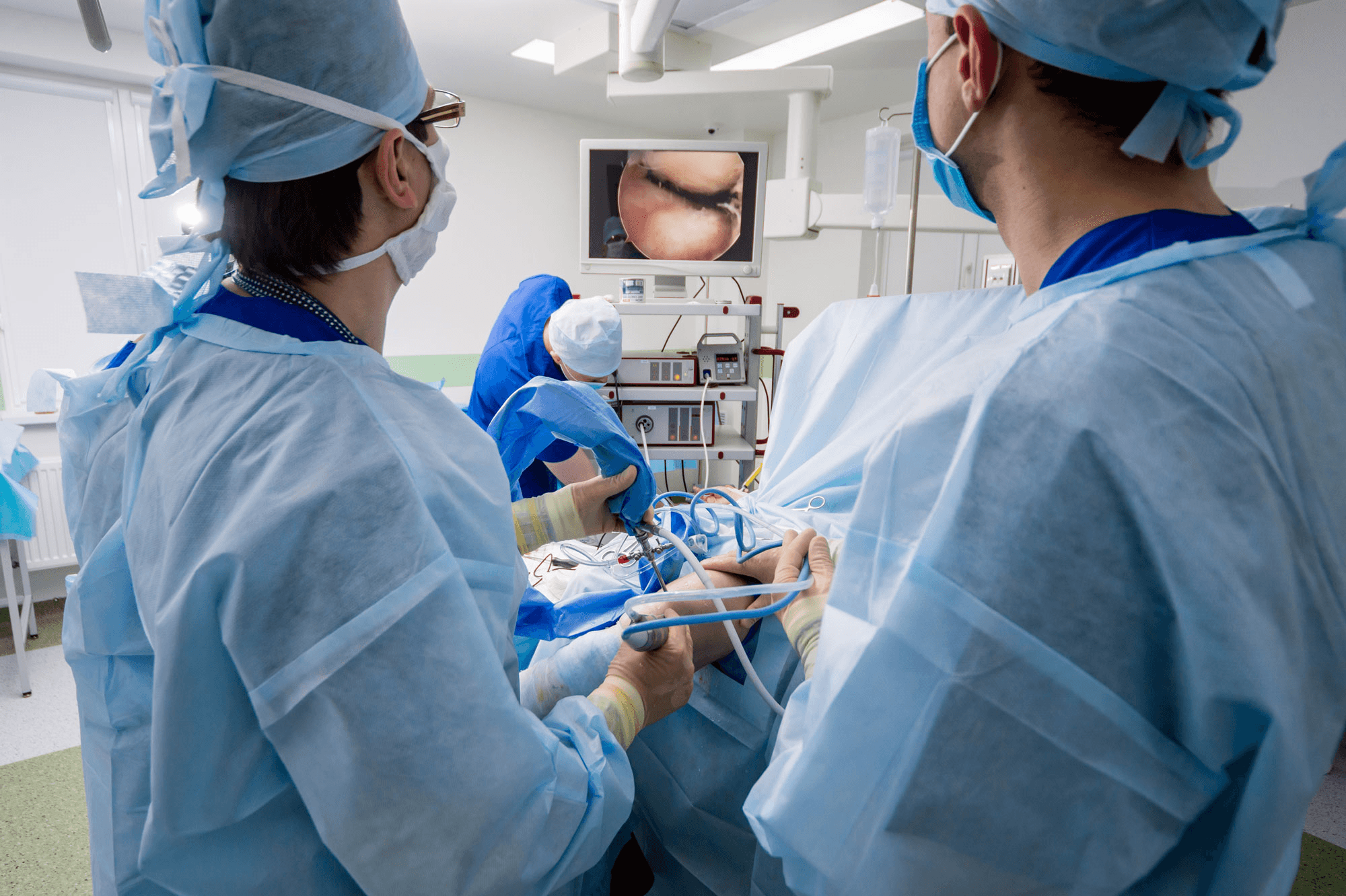
ChondroFiller is made from type I collagen, a natural protein, combined with agents that help it solidify in place. When applied during minimally invasive arthroscopy , ChondroFiller transforms from a liquid into a soft gel, forming a scaffold that fills cartilage defects . This scaffold provides temporary support, allowing the body’s own cells to migrate in and start rebuilding cartilage .
Microscopically, the collagen fibers in ChondroFiller bond with the surrounding cartilage , anchoring the matrix securely without adding new cells directly. Studies show that collagen scaffolds like ChondroFiller foster cell survival and the production of healthy cartilage components, making them valuable in tissue engineering.
Recent clinical research also highlights that similar acellular collagen matrices are safe and effective for cartilage repair , producing good outcomes for patients with challenging joint injuries.
ChondroFiller as an Adhesive Sealant
One of ChondroFiller ’s main advantages is its ability to act as a biological adhesive. After being applied during surgery, it sets within minutes and adheres firmly to the cartilage , standing up to the natural stresses of joint movement . This strong attachment helps protect the treated area, preventing the scaffold from shifting or peeling away while healing begins.
Because ChondroFiller is biocompatible, it integrates smoothly with surrounding tissue without causing significant irritation . Surgical techniques have become simpler and more cost-effective, making it accessible for a variety of cartilage defects. Clinical research confirms that ChondroFiller ’s adhesive properties provide reliable stability, serving as a protective barrier that supports early healing.
ChondroFiller as a Regenerative Seed
ChondroFiller ’s benefits go beyond its role as a "patch." Its porous collagen scaffold acts much like soil for seeds, creating the perfect environment for new cartilage cells to grow. Once implanted, the scaffold allows cells from the surrounding tissue to migrate in, multiply, and form new cartilage . Imaging studies have shown that patients treated with ChondroFiller can experience positive changes, such as reduced swelling and improved joint contours, indicating active repair.
Experimentally, not only do cells survive within the matrix, but they also start producing the natural materials needed for healthy cartilage . This makes ChondroFiller especially promising for larger or deeper cartilage injuries , where stimulating the body’s own healing processes is critical. Clinical results echo this potential, with significant improvements seen in both symptoms and tissue quality on MRI.
Clinical Insights from Professor Paul Lee and MSK Doctors
Professor Paul Lee and his colleagues at MSK Doctors bring deep expertise to ChondroFiller ’s use in practice. They note that the decision to use ChondroFiller depends on factors such as the size and depth of the cartilage lesion, patient age, and activity level. For small, well-defined defects, the adhesive quality of ChondroFiller may provide enough support for healing. For larger or more complex injuries, its regenerative scaffold is especially valuable.
Professor Lee and his team emphasize a personalized, case-by-case approach, recognizing that while ChondroFiller can support cartilage repair , patient outcomes do vary, and no solution is guaranteed for everyone.
Choosing the Right Patients and Techniques
Determining whether ChondroFiller will work best as a sealant or as a regenerative matrix depends on several key factors. Smaller, more superficial cartilage injuries can often be stabilized thanks to ChondroFiller ’s adhesive properties. Larger or deeper lesions benefit from the scaffold’s ability to encourage new tissue growth. Precise surgical technique is crucial—ensuring the ChondroFiller makes direct contact with the defect helps maximize its effectiveness and minimizes product loss.
Patient-specific considerations such as age, how active they are, and the depth of their cartilage injury all influence expected results. As ChondroFiller is designed to work harmoniously with the body, the risk of negative reactions is low, but success still relies on proper rehabilitation and realistic expectations.
Conclusion and Disclaimer
So, is ChondroFiller an adhesive sealant or a regenerative seed? The truth is, it’s both. Its strength in sealing cartilage defects gives injured areas immediate support, while its scaffold fosters natural tissue regeneration over time. Which quality takes center stage depends on the patient’s needs and the nature of the injury. As always, talk to your healthcare provider for advice tailored to your unique situation. Results can vary, so personalized plans remain the key to successful treatment .
This article aims to help readers clearly understand the twin roles ChondroFiller plays in modern cartilage repair , and how it fits into the growing options for treating joint injuries.
References
Corain, M., Zanotti, F., Giardini, M., Gasperotti, L., Invernizzi, E., Biasi, V., & Lavagnolo, U. (2023). The Use of an Acellular Collagen Matrix ChondroFiller® Liquid for Trapeziometacarpal Osteoarthritis.
De Lucas Villarrubi, J. C., Méndez Alonso, M. Á., Sanz Pérez, M. I., Trell Lesmes, F., & Panadero Tapia, A. (2021). Acellular matrix-induced chondrogenesis technique improves the results of chondral lesions associated with femoroacetabular impingement. Arthroscopy, . https://doi.org/10.1016/j.arthro.2021.08.022
Perez-Carro, L., Rosi Mendoza Alejo, P., Gutierrez Castanedo, G., Menendez Solana, G., Fernandez Divar, J. A., Galindo Rubin, P., & Alfonso Fernandez, A. (2021). Hip chondral defects: Arthroscopic treatment with the needle and curette technique and ChondroFiller. Arthroscopy Techniques, . https://doi.org/10.1016/j.eats.2021.03.011
Frequently Asked Questions
- ChondroFiller is a biocompatible collagen matrix that acts as a scaffold, supporting the body’s own cartilage repair. At MSK Doctors, Professor Paul Lee utilises it during arthroscopy to encourage natural healing while providing immediate structural support to damaged cartilage.
- ChondroFiller bonds firmly with cartilage defects, providing a protective barrier, while its porous collagen structure allows healthy cells to migrate in and regenerate tissue. Professor Lee’s experience ensures optimal placement, maximising both adhesive strength and regenerative benefits.
- Professor Lee and MSK Doctors have extensive experience with cartilage repair, using the latest clinical insights. Their personalised, evidence-based approach ensures each treatment is tailored to the individual, making them a leading choice for patients seeking advanced cartilage regeneration methods.
- Suitability depends on injury size, depth, age, and activity level. Professor Lee evaluates these factors to select patients most likely to benefit, using a customised approach to deliver the best outcomes according to international best practice in cartilage repair.
- MSK Doctors, led by Professor Lee, combine leading expertise with advanced, minimally invasive techniques. Their deep understanding of ChondroFiller’s properties and careful post-treatment support make them a preferred provider for those seeking cartilage regeneration solutions.
Legal & Medical Disclaimer
This article is written by an independent contributor and reflects their own views and experience, not necessarily those of Liquid Cartilage. It is provided for general information and education only and does not constitute medical advice, diagnosis, or treatment.
Always seek personalised advice from a qualified healthcare professional before making decisions about your health. Liquid Cartilage accepts no responsibility for errors, omissions, third-party content, or any loss, damage, or injury arising from reliance on this material.
If you believe this article contains inaccurate or infringing content, please contact us at [email protected].