
Unlocking the Science of Hydrogel Cartilage Regeneration: How Innovative Therapies Facilitate Joint Healing
What Are Hydrogels and How Do They Help Cartilage Regenerate?
Hydrogels are special materials made mostly of water contained within a soft, flexible network of polymers. This makes them very similar to the natural tissues inside our bodies. Their high water content, flexibility, and compatibility with living cells mean hydrogels create a perfect environment for tissue to grow and heal.
In hydrogel cartilage regeneration, these materials act like scaffolds — three-dimensional frameworks that attract and support the cells responsible for rebuilding cartilage. These scaffolds are carefully designed to mimic the natural surroundings of cartilage, encouraging new cells to grow and integrate with existing tissue. As one study noted, this technique “shows a perfect integration to the adjacent cartilage right from the beginning and by time an impressive maturation of the reconstructed cartilage.” This ability to create such a natural, supportive environment is what makes hydrogels so promising for joint cartilage repair.
How Are Hydrogels Used in Treatment? Exciting Procedures and Advances
A number of innovative procedures now use hydrogels to boost cartilage regeneration. A well-known method is autologous chondrocyte implantation (ACI). This involves taking healthy cartilage cells from the patient, growing them in the lab, then implanting them back into the damaged area using a hydrogel scaffold. This scaffold helps protect the cells and encourages them to form new cartilage.
Another approach is injectable cartilage gel — a bioactive hydrogel that can be delivered directly into the joint through a minimally invasive injection. This procedure supports cell growth and tissue repair without the need for major surgery. Clinical studies have found these treatments “are a safe and simple workable method” and emphasise that “all defects could be filled successfully.” Additional research has also reported improvements in pain relief and increased grip and pinch strength in patients receiving hydrogel treatments, highlighting the real difference they can make.
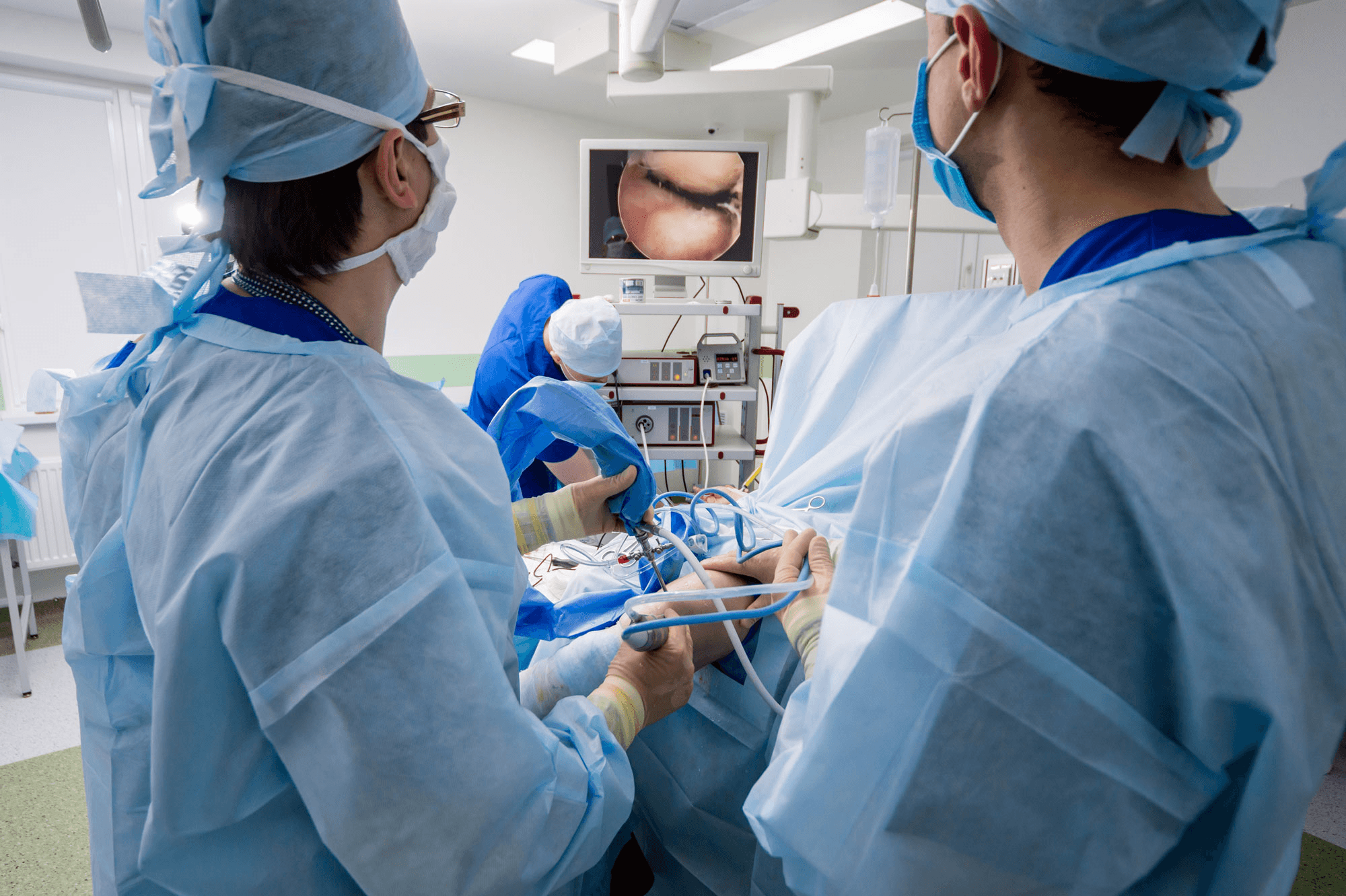
When it comes to certain joints like the hip, precision is crucial. One recent technique uses a clever tool combination — “a combination of a curette and a needle inside the tip of the curette” — to accurately place the hydrogel implant during arthroscopic surgery. This ensures the material reaches the cartilage defect area effectively, maximising the treatment’s benefits.
Looking ahead, exciting developments like dual-drug delivery hydrogels, which can release medication in a controlled way, and “dancing molecules” that dynamically interact to promote healing, are opening new horizons in joint cartilage repair technology.
Free non-medical discussion
Not sure what to do next?
Information only · No medical advice or diagnosis.
Benefits, Limitations and What Patients Should Know
Hydrogel therapies offer a number of clear advantages. They allow precise, targeted treatment of cartilage damage with minimal invasiveness, often leading to faster recovery and less discomfort afterwards. Because these therapies encourage the body’s own tissue to regrow, they can potentially restore joint function more naturally and effectively than traditional options.
However, it’s important to be realistic about what hydrogel treatments can achieve. They are generally unsuitable for patients with widespread osteoarthritis and are not “quick fixes.” Successful outcomes usually depend on thorough medical assessment, possible minor surgery, and a carefully planned rehabilitation programme. Throughout this process, expert care and support are crucial — something Professor Paul Lee and the London Cartilage Clinic prioritise to help patients achieve the best results.

Moving Forward with Confidence and Care
Hydrogel cartilage regeneration represents an exciting leap forward for anyone seeking advanced solutions for joint repair. If you are considering these therapies, it’s vital to consult qualified healthcare professionals who can evaluate your individual needs and recommend suitable treatment options. Remember, for personalised medical advice, always speak to a qualified healthcare provider.
References
Schneider, U. (2016). Controlled, randomized multicenter study to compare compatibility and safety of ChondroFiller liquid (cell free 2-component collagen gel) with microfracturing of patients with focal cartilage defects of the knee joint.
Corain, M., Zanotti, F., Giardini, M., Gasperotti, L., Invernizzi, E., Biasi, V., & Lavagnolo, U. (2023). The use of an acellular collagen matrix ChondroFiller® Liquid for trapeziometacarpal osteoarthritis.
Perez-Carro, L., Rosi Mendoza Alejo, P., Gutierrez Castanedo, G., Menendez Solana, G., Fernandez Divar, J. A., Galindo Rubin, P., & Alfonso Fernandez, A. (2021). Hip chondral defects: Arthroscopic treatment with the needle and curette technique and ChondroFiller.
Frequently Asked Questions
- Hydrogels create a supportive environment that mimics natural cartilage, encouraging tissue regrowth and healing. Their minimally invasive use may lead to faster recovery and less discomfort. MSK Doctors and Prof Paul Lee specialise in providing these advanced therapies for improved patient outcomes.
- Unlike traditional treatments, hydrogels closely imitate body tissues and support natural cell growth. They can be delivered precisely to damaged cartilage, often with fewer complications. Prof Paul Lee, a cartilage expert at MSK Doctors, leads the field in using these innovative solutions.
- Hydrogel therapies are best for localised cartilage injuries rather than widespread osteoarthritis. Careful assessment by experts, such as Prof Paul Lee and his MSK Doctors team, ensures appropriate and personalised choices for each patient’s unique condition and health requirements.
- Prof Paul Lee is one of the UK’s leading cartilage experts and holds prestigious roles, including Regional Surgical Ambassador. His extensive experience and the dedicated MSK Doctors clinic offer patients access to world-class, evidence-based care for cartilage repair and regeneration.
- Patients typically undergo thorough evaluation, planning, and possibly minor surgery, followed by tailored rehabilitation. Prof Paul Lee and MSK Doctors provide comprehensive support throughout the process, helping patients maximise benefits and confidence in their joint repair journey.
Legal & Medical Disclaimer
This article is written by an independent contributor and reflects their own views and experience, not necessarily those of Liquid Cartilage. It is provided for general information and education only and does not constitute medical advice, diagnosis, or treatment.
Always seek personalised advice from a qualified healthcare professional before making decisions about your health. Liquid Cartilage accepts no responsibility for errors, omissions, third-party content, or any loss, damage, or injury arising from reliance on this material.
If you believe this article contains inaccurate or infringing content, please contact us at [email protected].