
Unlocking Joint Potential: Practical Movement and Exercise Strategies to Support Knee Cartilage Regrowth
Introduction
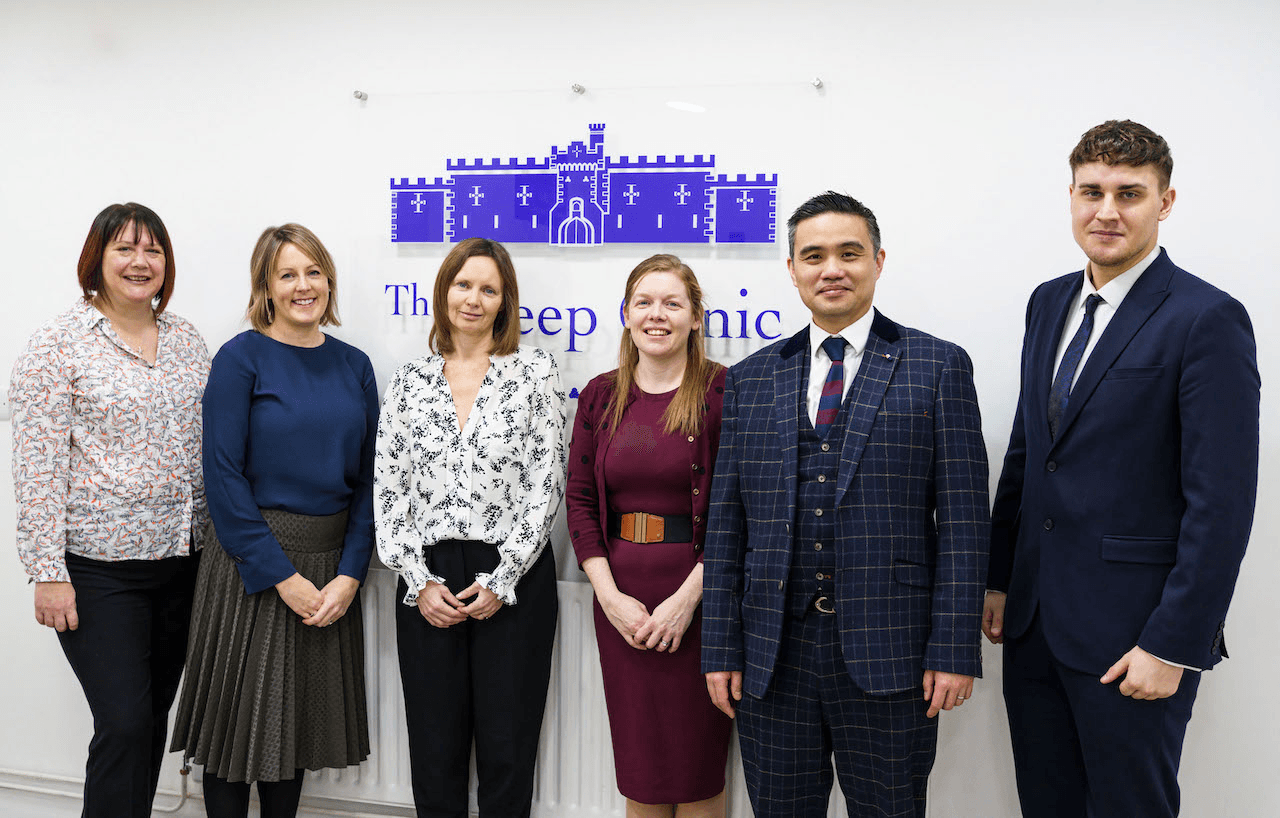
More and more people are seeking gentle, non-surgical ways to keep their knee cartilage healthy and maintain an active lifestyle. Movement and carefully chosen exercises are key to encouraging cartilage repair and improving joint function. With extensive experience in orthopaedics and rehabilitation, Professor Paul Lee and the team at the London Cartilage Clinic provide expert support in a welcoming environment. This article offers straightforward, practical advice on how physical therapy and exercise can help you support your knee’s natural healing process.
The Science Behind Movement and Cartilage Health
Your knee cartilage is a specialised tissue that doesn’t have its own blood supply. Instead, it relies on regular movement to receive nutrients and stay healthy. When you bend and straighten your knee, a fluid called synovial fluid flows through the joint, nourishing the cartilage cells and washing away waste. Research shows that gentle, controlled movement can encourage cartilage repair and help slow down the wear and tear that sometimes leads to arthritis.
It’s important to find a healthy balance with activity. Resting the joint completely can cause stiffness and worsen the problem, while too much high-impact exercise might cause further damage. Understanding the role of movement for joint health is essential to supporting recovery.
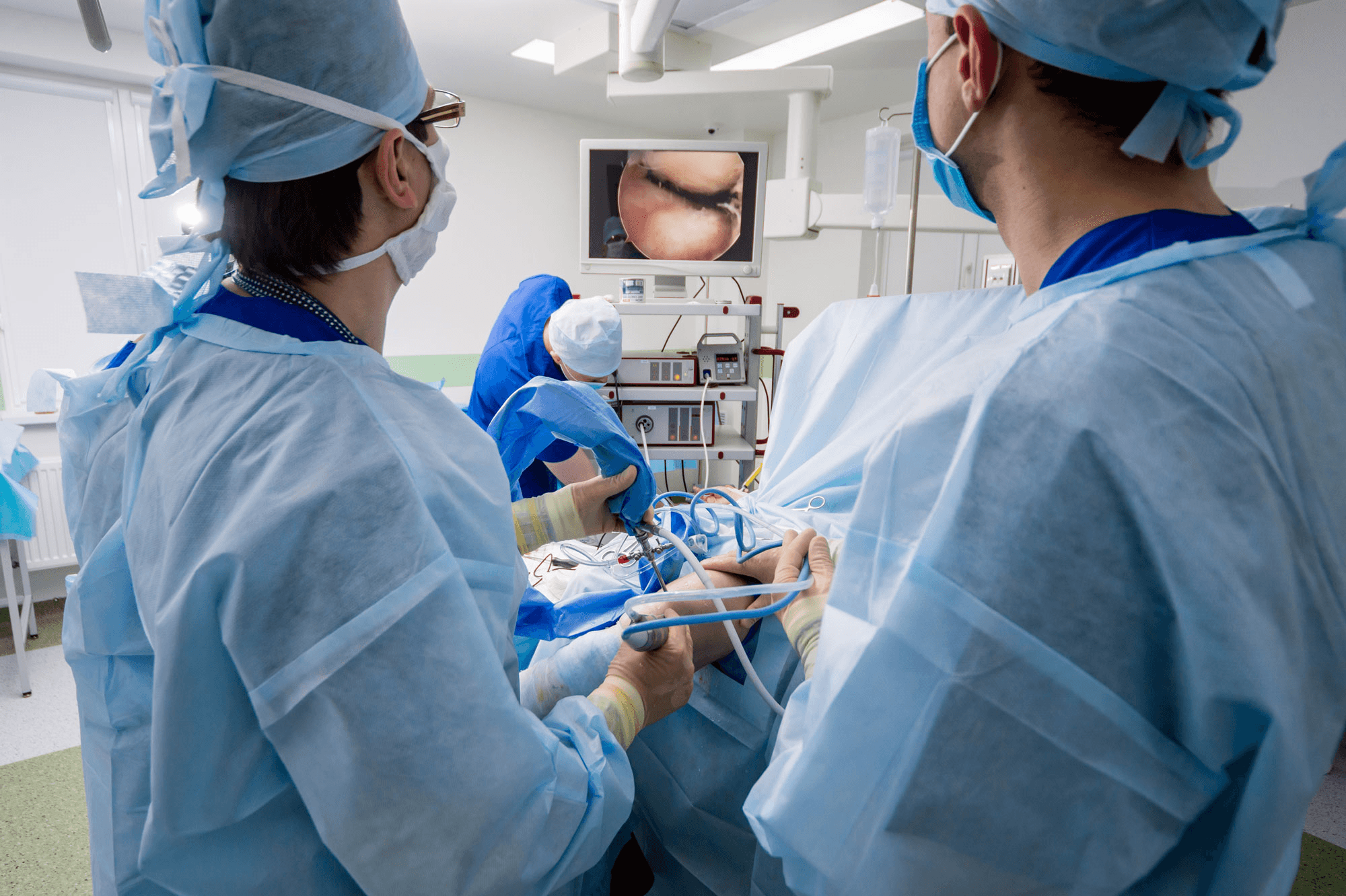
Innovative treatments are also emerging that use biological products alongside exercise. For example, “cells, scaffold therapies, and injectable agents have emerged as an adjunctive modality to improve clinical outcomes” (Perez-Carro et al., 2021). Additionally, newer options involve collagen-based fillers that act as a protective layer over damaged cartilage, stimulating the growth of new cartilage cells. As one study explains, an acellular matrix “forms a protective layer around the cartilage defect while stimulating the growth of chondrocytes and the consequent induction of cartilage regeneration” (Corain et al., 2023).
These advancements provide hope for even better outcomes. Research has also confirmed that the ChondroFiller liquid method is “a safe and simple workable method” with all treated cartilage defects successfully filled (Schneider, 2016).
Physiotherapy Practices for Knee Cartilage Recovery
Physiotherapy plays an important role in knee cartilage healing. The best programmes combine gentle range-of-motion exercises, strengthening routines, and balance training to help the knee move smoothly and maintain stability. A key principle is progressive loading – this means gradually increasing the level of exercise over time, under professional supervision, to encourage tissue regrowth without overloading the joint.
Professor Paul Lee and the London Cartilage Clinic team tailor physiotherapy plans to each individual. This personalised approach helps patients stay motivated and engaged with their recovery, incorporating physiotherapy for knee injury and knee cartilage repair exercises in a safe and effective way.
Free non-medical discussion
Not sure what to do next?
Information only · No medical advice or diagnosis.
Step-by-Step At-Home Exercise Regimen
A home exercise routine can complement professional treatment and maintain progress. Start with gentle warm-ups such as slow bending and straightening of the knee to prepare the joint. For the main workout, low-impact activities are best: stationary cycling gently mobilises and nourishes the cartilage without placing excessive strain on the knee; straight-leg raises help strengthen the quadriceps muscle that supports the knee; and exercises in a pool reduce weight on the joint, making movement easier.
Cooling down with gentle stretching preserves flexibility and prevents stiffness. It’s crucial to listen to your body and distinguish between normal muscle tiredness and pain that could suggest you need to ease off or seek professional advice. This focused approach prioritises safety while helping cartilage regeneration.

Maintaining Motivation and Professional Support
Sticking to an exercise routine can be challenging, but small achievable goals and tracking your progress can make a big difference. Working with a physical therapist provides valuable feedback to refine your technique and tailor exercises to your changing needs and recovery stage.
At the London Cartilage Clinic, Professor Paul Lee and his team provide a supportive, professional environment to guide patients every step of the way. Regular check-ins ensure your rehabilitation plan stays on track and adapts as required to help you achieve the best possible results.
Conclusion and Responsible Disclaimer
Movement-focused approaches have great potential to boost knee cartilage health and empower you to take control of your recovery. Combining expert advice with consistent, well-planned exercise unlocks the joint’s natural ability to heal and maintain itself.
If you want a personalised rehabilitation plan, it’s best to consult a physiotherapist or orthopaedic specialist, such as those at the London Cartilage Clinic. Remember, for individual medical advice, always speak to a qualified healthcare professional.
References
Perez-Carro, L., Mendoza Alejo, P. R., Gutierrez Castanedo, G., Menendez Solana, G., Fernandez Divar, J. A., Galindo Rubin, P., & Fernandez, A. A. (2021). Hip Chondral Defects: Arthroscopic Treatment With the Needle and Curette Technique and ChondroFiller. Arthroscopy Techniques. https://doi.org/10.1016/j.eats.2021.03.011
Schneider, U. (2016). Controlled, randomized multicenter study to compare compatibility and safety of ChondroFiller liquid (cell free 2-component collagen gel) with microfracturing of patients with focal cartilage defects of the knee joint.
Corain, M., Zanotti, F., Giardini, M., Gasperotti, L., Invernizzi, E., Biasi, V., & Lavagnolo, U. (2023). The Use of an Acellular Collagen Matrix ChondroFiller® Liquid for Trapeziometacarpal Osteoarthritis.
Frequently Asked Questions
- Professor Paul Lee is a renowned cartilage expert and surgical ambassador with the Royal College of Surgeons of Edinburgh. MSK Doctors, led by his extensive orthopaedic experience, offer advanced, individualised care to support each patient’s recovery and rehabilitation in knee cartilage health.
- Regular, gentle movement ensures nourishment of knee cartilage through synovial fluid flow. It supports repair and reduces waste accumulation in the joint, helping to slow down wear and tear. This encourages natural healing while maintaining knee flexibility and function.
- The London Cartilage Clinic utilises advanced therapies, including cell-based treatments, biological agents and collagen-based fillers. These options, overseen by Professor Lee, aim to stimulate new cartilage growth and enhance recovery outcomes under expert, individualised supervision.
- Absolutely. MSK Doctors, guided by Professor Paul Lee, tailor physiotherapy programmes for each patient. Their approach combines progressive exercise, motivation, and close professional oversight to encourage safe tissue regeneration and steady improvement in knee cartilage health.
- Professor Lee and the MSK Doctors team offer a welcoming environment with regular professional check-ins. They closely monitor recovery, refine exercise routines, and provide ongoing motivation, helping patients stay engaged and achieve the best possible knee joint health outcomes.
Legal & Medical Disclaimer
This article is written by an independent contributor and reflects their own views and experience, not necessarily those of Liquid Cartilage. It is provided for general information and education only and does not constitute medical advice, diagnosis, or treatment.
Always seek personalised advice from a qualified healthcare professional before making decisions about your health. Liquid Cartilage accepts no responsibility for errors, omissions, third-party content, or any loss, damage, or injury arising from reliance on this material.
If you believe this article contains inaccurate or infringing content, please contact us at [email protected].