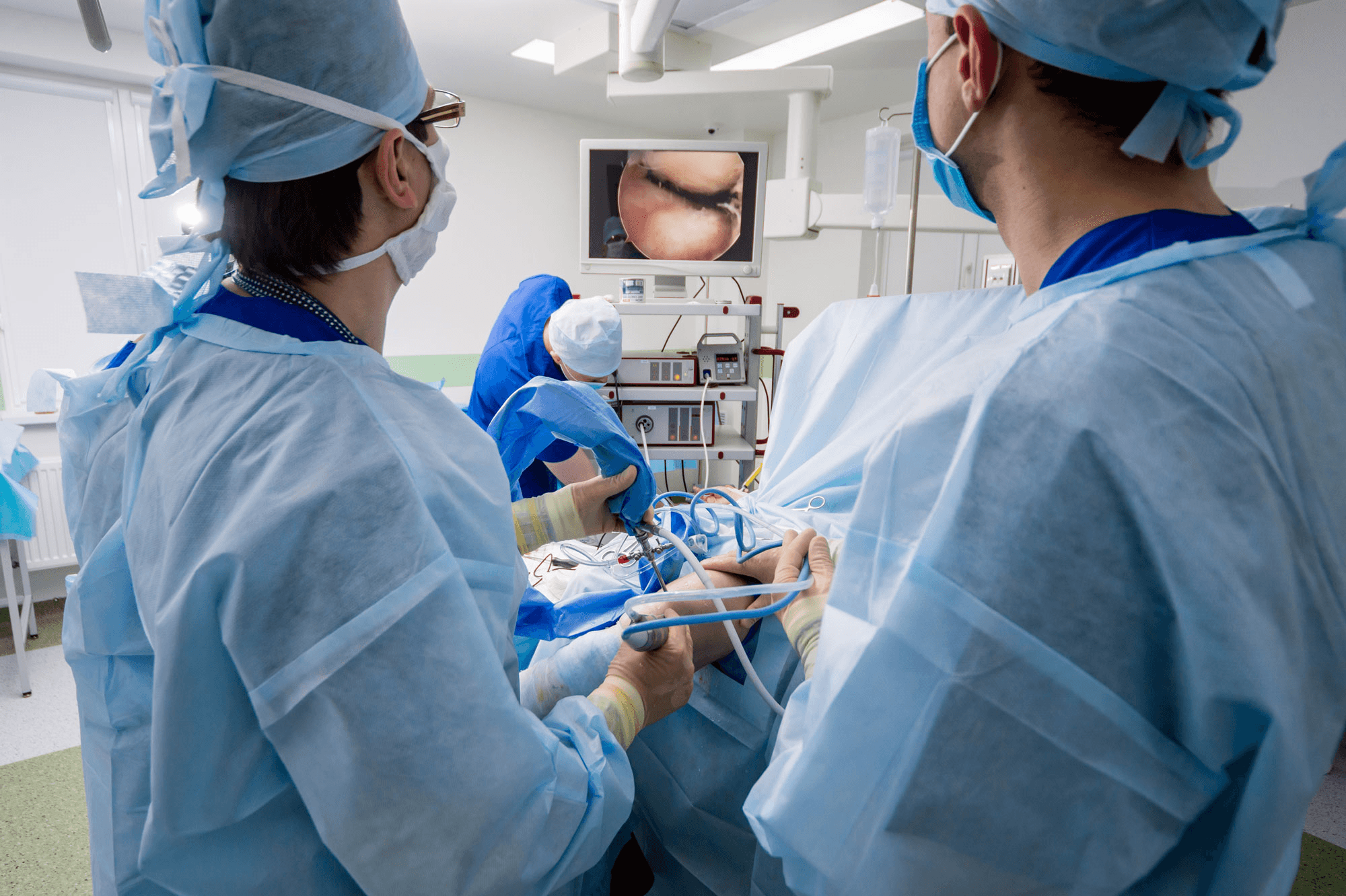

Practical Strategies to Prevent Knee Cartilage Damage: Everyday Actions for Joint Preservation
Understanding the Importance of Knee Cartilage Protection
Knee cartilage is a smooth, rubbery layer that covers the ends of the bones within your knee joint. It acts like a natural shock absorber, allowing your bones to glide over each other effortlessly when you move. This cartilage is vital for pain-free motion and joint stability. Protecting it from damage is essential to maintain mobility and avoid long-term problems such as osteoarthritis. This is especially important for those who are beginning to experience knee discomfort or are at higher risk of cartilage wear due to factors like age, injury, or lifestyle choices. In this article, we share practical, non-surgical steps you can take to protect your knee cartilage and support overall joint health, based on insights from Professor Paul Lee, a leading expert in cartilage care at the London Cartilage Clinic.
How Changing Your Activities Can Help Protect Knee Cartilage
Everyday movements and exercise habits have a big impact on knee cartilage health. Activities like running on hard surfaces, deep squatting, or sudden twisting motions can put excessive pressure on the cartilage and speed up its breakdown. To protect your knees, it’s wise to adjust these routines by reducing high-impact actions. Instead, consider low-impact activities such as walking, gentle cycling, or swimming. These exercises help nourish the cartilage by boosting joint circulation and minimising stress. By choosing gentler alternatives, you can keep your knees functioning smoothly and prevent further damage.
Free non-medical discussion
Not sure what to do next?
Information only · No medical advice or diagnosis.
Simple Daily Habits That Promote Long-Term Knee Health
There are many small but effective habits you can adopt to reduce wear and tear on your knee cartilage over time. For example, wearing cushioned, supportive shoes helps absorb shocks; warming up properly before exercise prepares your joints and muscles; avoiding prolonged kneeling reduces pressure on sensitive areas; and using knee braces or supports when recommended can provide extra stability. These knee joint preservation tips and lifestyle changes don’t have to be complicated—they add up to meaningful protection for your joints. By making these part of your everyday routine, you can slow cartilage wear and minimise the chances of needing surgery later on.

Keeping Knees Strong Through Exercise and Weight Control
Regular low-impact exercise is key to maintaining healthy knee cartilage. Such activities encourage the flow of nutrients to the cartilage and build strength in the muscles around the knee, which support and protect the joint. Swimming, water aerobics, and flat-terrain cycling are excellent choices. It’s important to pay attention to your body—if an activity causes sharp pain or swelling, it’s wise to reduce the intensity or take a break. Another important factor is body weight. Research shows that carrying extra weight increases the strain on your knee joints, hastening cartilage damage. Managing your weight effectively can significantly ease this load and help keep your knees healthy.
Recent advances in treating cartilage problems highlight exciting developments in joint repair. One study describes a “simple, inexpensive, and reproducible technique to facilitate the implantation of injectable materials” for cartilage defects in the hip (Perez-Carro et al., 2021). While such medical treatments continue to improve, these innovations underscore that protecting and preserving natural cartilage through everyday preventive care remains the best and most accessible approach for most people.
Managing Knee Flare-Ups and When to Seek Professional Help
From time to time, you might experience a painful flare-up or swelling in your knee. The tried-and-true RICE method – Rest, Ice, Compression, and Elevation – is effective in easing discomfort during these episodes. However, some symptoms should prompt a consultation with a healthcare professional. Persistent swelling, feelings of instability, or worsening pain that interferes with daily life indicate that you may need further assessment. Regular check-ups and following personalised advice from a clinician, like Professor Paul Lee and his team at the London Cartilage Clinic, ensure early detection and the best possible management of knee problems. Always remember, for tailored medical advice, it’s important to consult a qualified healthcare provider.
By embracing these practical steps and seeking expert guidance when needed, you can take charge of your knee health and enjoy better joint function for years to come.
References
Perez-Carro, L., Rosi Mendoza Alejo, P., Gutierrez Castanedo, G., Menendez Solana, G., Fernandez Divar, J. A., Galindo Rubin, P., & Alfonso Fernandez, A. (2021). Hip chondral defects: Arthroscopic treatment with the needle and curette technique and ChondroFiller.
Frequently Asked Questions
- Protecting knee cartilage is vital because it acts as a natural shock absorber, enabling smooth, pain-free movement. By safeguarding your cartilage, you help maintain mobility, reduce the risk of osteoarthritis, and support lasting joint health. MSK Doctors specialise in these preventative strategies.
- Simple changes, such as wearing cushioned shoes, warming up before exercise, and avoiding prolonged kneeling, greatly reduce knee cartilage wear. At MSK Doctors, Professor Paul Lee offers expert insight into long-term habits that support cartilage health and contribute to a healthier, more active lifestyle.
- Low-impact exercises like swimming and cycling strengthen muscles around the knee and boost cartilage nutrition. Managing body weight lessens stress on knee joints. Professor Paul Lee, as a recognised cartilage expert, recommends these strategies for preserving knee health at London Cartilage Clinic.
- If knee pain, swelling, or instability persists or interferes with daily life, it’s important to seek professional assessment. Professor Paul Lee and the MSK Doctors team provide early detection and personalised care plans, drawing upon extensive experience in advanced cartilage preservation and repair.
- Professor Paul Lee is a renowned cartilage expert and surgical ambassador with significant experience in cartilage preservation. As part of MSK Doctors, he delivers cutting-edge, patient-focused treatments for knee problems, ensuring the highest standards in cartilage health advice and management.
Legal & Medical Disclaimer
This article is written by an independent contributor and reflects their own views and experience, not necessarily those of Liquid Cartilage. It is provided for general information and education only and does not constitute medical advice, diagnosis, or treatment.
Always seek personalised advice from a qualified healthcare professional before making decisions about your health. Liquid Cartilage accepts no responsibility for errors, omissions, third-party content, or any loss, damage, or injury arising from reliance on this material.
If you believe this article contains inaccurate or infringing content, please contact us at [email protected].