
Is Platelet-Rich Plasma the Most Promising Natural Solution for Knee Cartilage Regeneration? Comparing PRP Therapy to Conventional Approaches
Introduction: Understanding Knee Cartilage Damage and Non-Surgical Options
Knee cartilage is a smooth, flexible tissue that cushions the ends of bones in the knee joint, allowing for easy, pain-free movement. When this cartilage becomes damaged, it can lead to pain, stiffness, and difficulty moving the joint, which can have a big impact on daily life. Unfortunately, cartilage has a limited ability to heal itself naturally, and if left untreated, damage can worsen and contribute to conditions like osteoarthritis. While surgery is often an option, there is growing interest in less invasive, non-surgical treatments that encourage the body to heal naturally. This article explores whether platelet-rich plasma (PRP) therapy could be the most promising natural treatment for knee cartilage repair, compared with traditional approaches like specialised nutrition and exercise.
What Is PRP Therapy? The Science and How It Works
Platelet-rich plasma therapy is a treatment that uses a patient’s own blood to help repair damaged tissues. Blood is drawn and spun in a centrifuge to concentrate the platelets—tiny cell fragments packed with growth factors that support healing. This platelet-rich plasma is then injected back into the injured knee joint. These growth factors, including platelet-derived growth factor (PDGF) and transforming growth factor-beta (TGF-β), encourage the cells to multiply and produce collagen, a key building block for cartilage. Essentially, PRP therapy aims to jump-start the body’s natural repair processes without surgery, making it an attractive option for people seeking a more natural, non-invasive knee cartilage treatment.
What Does the Research Say About PRP for Knee Cartilage Repair?
Increasingly, clinical studies are looking into how effective PRP therapy is for healing knee cartilage and improving joint function. Many have found that PRP can help reduce pain and improve mobility, especially in people with mild to moderate cartilage damage. However, these improvements are often temporary, and those with severe cartilage loss may not benefit as much. The research so far tends to involve small groups of patients and short observation periods, so we need more extensive studies to fully understand PRP’s long-term effects.
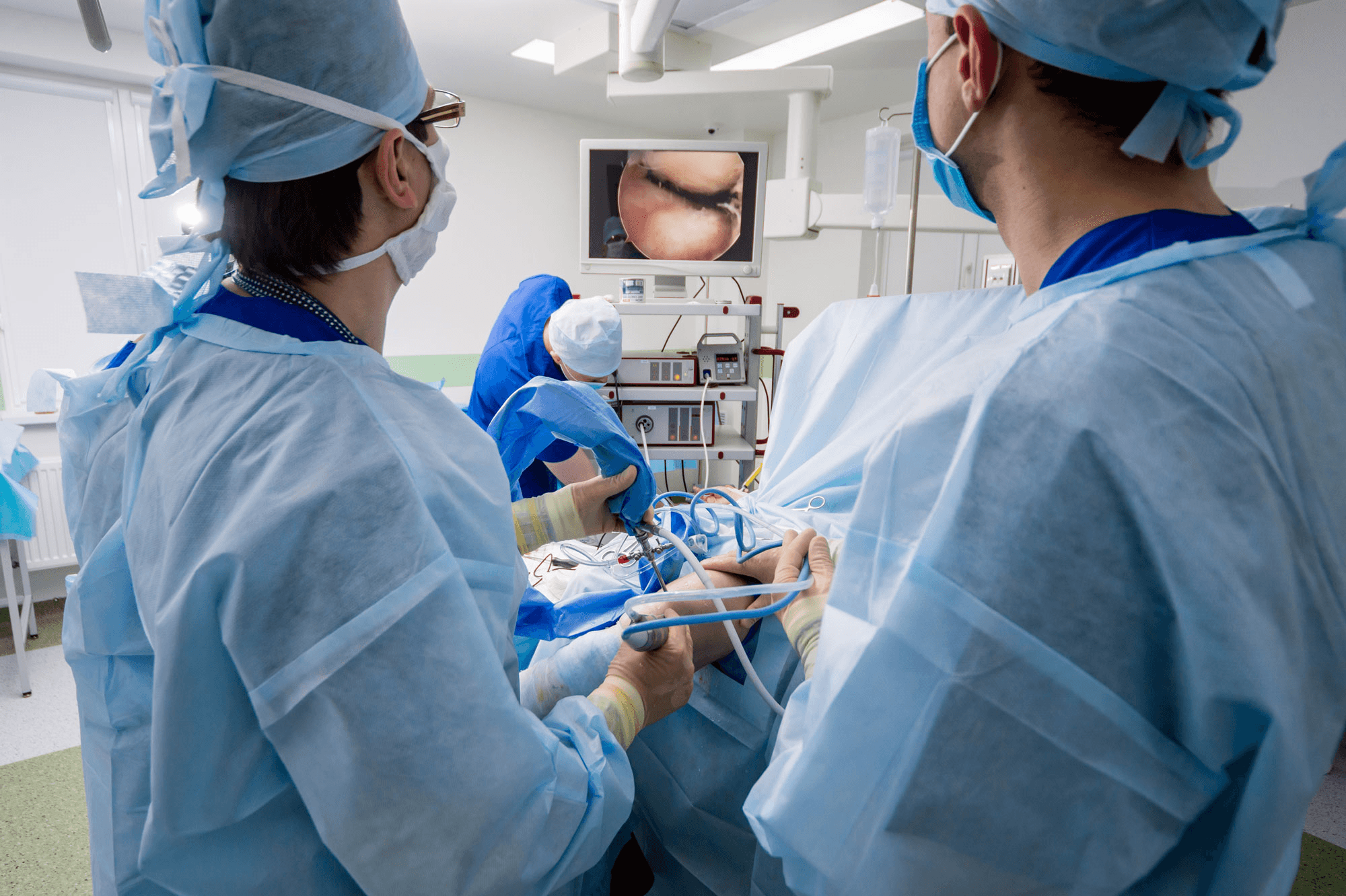
In addition to PRP, other innovative treatments are being explored for cartilage repair in different joints. For example, a recent study on hip cartilage defects highlighted a novel technique combining a needle with specialised tools to deliver a liquid collagen matrix called ChondroFiller directly to damaged areas. The study emphasised the importance of precise placement, noting that “the distance between the tip of the needle and the area to be filled should be minimal to ensure full contact with the chondral lesion.” This treatment showed promising results in promoting cartilage repair in the hip and points to exciting advances in regenerative therapies for joint cartilage.
PRP Therapy Compared to Natural Approaches: Nutrition, Exercise, and Holistic Care
When it comes to maintaining healthy knee cartilage, natural methods like a balanced diet and regular exercise play an essential role. Nutrients found in collagen-rich foods and anti-inflammatory diets help support the structure and reduce joint swelling, while exercises that strengthen the muscles around the knee improve joint stability and slow down cartilage wear. These approaches mainly work to preserve existing cartilage and improve function. In contrast, PRP therapy aims to actively regenerate cartilage, making it potentially more beneficial for individuals with more advanced damage. However, PRP should be seen as part of a comprehensive treatment plan alongside nutrition and exercise, rather than a standalone solution.
Next steps
Where to go from here
These routes are selected from the topic and purpose of this article. They are guidance, not a diagnosis or treatment recommendation.
Learn more
Explore cartilage repair
Learn more
Explore PRP injection
Talk to the team
Book a free discovery call
The Importance of Expert Care: Insights from Professor Paul Lee and the London Cartilage Clinic
Having skilled medical guidance is vital when considering treatments like PRP. Professor Paul Lee from the London Cartilage Clinic is a respected orthopaedic expert with vast experience in cartilage repair and rehabilitation. His team provides thorough assessments and personalised treatment plans, closely monitoring patients’ progress to ensure the best outcomes. This professional support is essential to safely and effectively navigate the many treatment options available for knee cartilage problems.
Risks, Costs, and Making an Informed Choice
Although PRP uses your own blood, it isn’t without risks. Some patients experience temporary pain or swelling at the injection site, and there is a small chance of infection. Another consideration is cost—PRP treatments can be expensive and often aren’t covered by insurance. PRP may not be suitable for everyone, depending on overall health and the extent of cartilage damage. Therefore, a detailed medical evaluation and discussion with a qualified healthcare provider are crucial before pursuing this or any other treatment.
Conclusion: A Balanced View on PRP and Knee Cartilage Regeneration
Platelet-rich plasma therapy offers a promising, less invasive option for people with mild to moderate knee cartilage damage looking to stimulate natural repair. However, current evidence does not guarantee full cartilage regeneration for all patients. It’s best to consider PRP as one part of a well-rounded approach that includes a healthy diet, appropriate exercise, and expert supervision. Always consult a healthcare professional to explore the most suitable options for your individual needs. For personalised medical advice, please speak with a qualified healthcare provider.
References
Perez-Carro, L., Rosi Mendoza Alejo, P., Gutierrez Castanedo, G., Menendez Solana, G., Fernandez Divar, J. A., Galindo Rubin, P., & Alfonso Fernandez, A. (2021). Hip chondral defects: Arthroscopic treatment with the needle and curette technique and ChondroFiller.
Frequently Asked Questions
- Knee cartilage damage often results from injury, repetitive strain, or natural wear with age. Symptoms include pain, stiffness, and difficulty moving the joint. These issues may worsen over time if left untreated, impacting everyday activities and overall joint health.
- Platelet-rich plasma (PRP) therapy uses your own concentrated blood platelets, which contain growth factors. These are injected into the knee to stimulate natural healing, aiming to repair cartilage damage without surgery. MSK Doctors provide detailed assessments to tailor treatments effectively.
- Professor Paul Lee is a leading authority in cartilage repair, serving as an RSA, Royal College of Surgeons advisor, and expert at the London Cartilage Clinic. His extensive experience ensures patients receive advanced, personalised treatment plans and ongoing support for better outcomes at MSK Doctors.
- Yes, maintaining a balanced diet rich in collagen and following an anti-inflammatory eating plan can help. Regular exercise to strengthen surrounding muscles also supports joint stability. MSK Doctors incorporate these holistic strategies alongside advanced therapies like PRP for comprehensive knee health management.
- Patients should weigh the potential risks, such as temporary pain or swelling, and consider whether they are suitable candidates. Consulting experienced specialists like Professor Lee at MSK Doctors is crucial for informed decision-making and achieving the best possible care and guidance.
Next steps
Where to go from here
These routes are selected from the topic and purpose of this article. They are guidance, not a diagnosis or treatment recommendation.
Learn more
Explore cartilage repair
Read the reviewed cartilage repair pathway, including who it may help and what happens next.
Learn more
Explore PRP injection
Read the reviewed PRP injection pathway, including who it may help and what happens next.
Talk to the team
Book a free discovery call
A non-medical call with the team to understand services and choose the right booking route.
Legal & Medical Disclaimer
This article is published by Liquid Cartilage for general information and education only. It does not constitute medical advice, diagnosis, or treatment.
Always seek personalised advice from a qualified healthcare professional before making decisions about your health. Liquid Cartilage accepts no responsibility for errors, omissions, third-party content, or any loss, damage, or injury arising from reliance on this material.
If you believe this article contains inaccurate or infringing content, please contact us at [email protected].