
Is ChondroFiller a Biological Glue or a Seed for Regeneration? Exploring Its Mechanism and Clinical Use
Introduction: What Role Does ChondroFiller Play in Cartilage Repair?
When it comes to repairing damaged cartilage, the question often arises: is ChondroFiller more like glue that sticks tissues together, or more like a seed that helps new tissue grow? Understanding this distinction matters because it shapes what patients and clinicians can expect from the treatment. ChondroFiller is an innovative option in orthopaedics that offers a minimally invasive way to address cartilage defects. Drawing on the expertise of Professor Paul Lee at MSK Doctors , this article unpacks how ChondroFiller works and what makes it a valuable tool in cartilage repair.
What Is ChondroFiller? Its Composition and Key Features
At its core, ChondroFiller is a collagen-based product — more specifically, a collagen scaffold made of type I collagen. Think of this scaffold as a supportive framework that mimics the natural environment of cartilage, creating a welcoming space for the body to heal. One clinical study describes ChondroFiller as “a resorbable filler based on type I collagen and a neutralizing solution, used to form a protective layer around the cartilage defect while stimulating the growth of chondrocytes and the consequent induction of cartilage regeneration.” Two qualities stand out: its gel stability, which means it holds its shape well after being applied to the tissue, and its no-stitching technique, which makes the procedure less invasive and gentler on the patient.
The Glue Analogy: Immediate Support and Protection
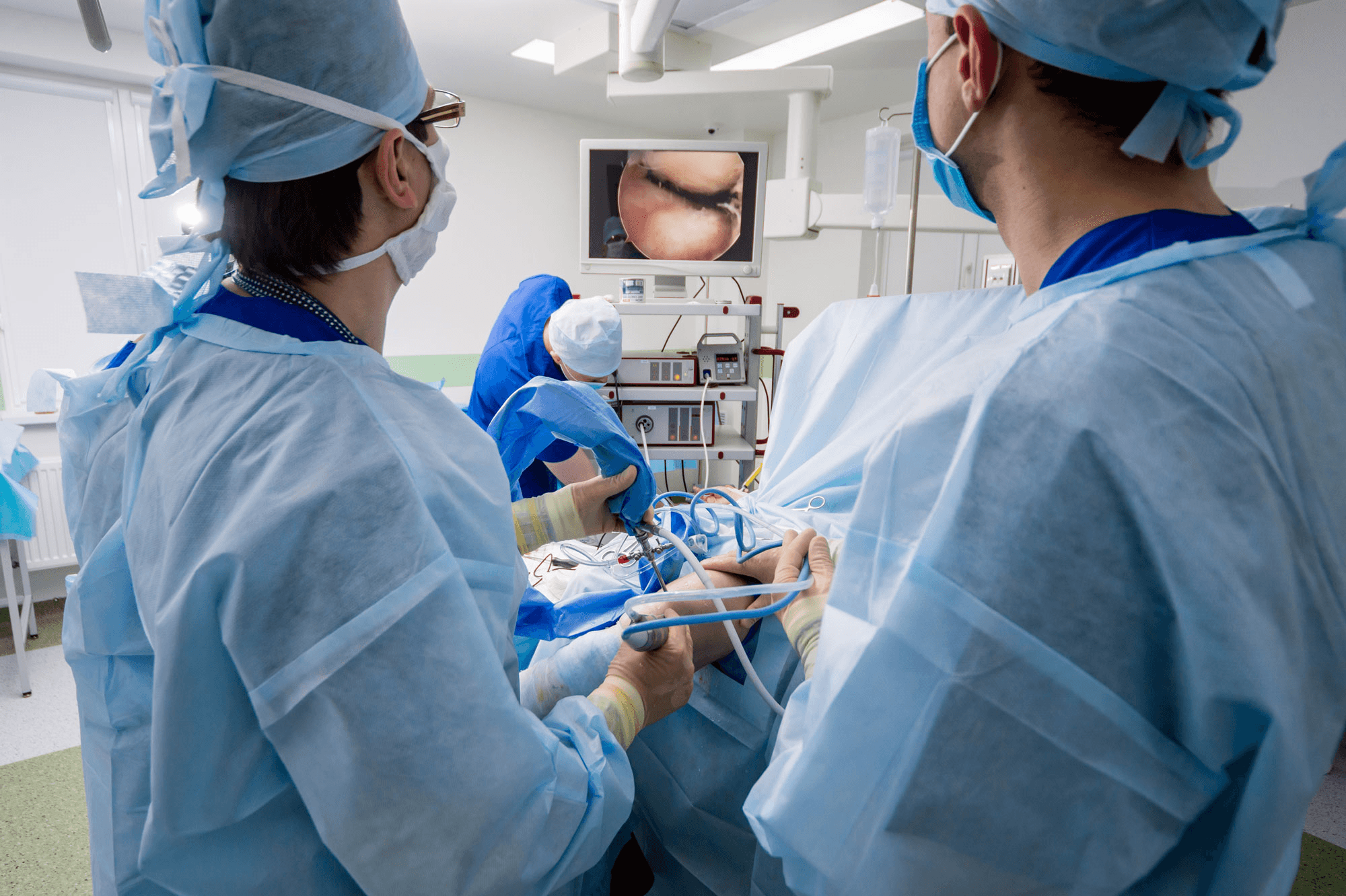
Imagine ChondroFiller as a kind of biological glue that quickly stabilises cartilage damage, holding the affected tissue firmly in place. Its gel-like consistency ensures that it stays where it’s needed, sealing the wound much like an adhesive would. However, it’s important to note that ChondroFiller isn’t a simple glue — it also creates an environment where healing can flourish. Because it doesn’t require stitches, the procedure tends to be quicker and less traumatic , which supports a smoother recovery. In fact, in hip cartilage repair, specialists have used ChondroFiller in “a 1-step arthroscopic procedure” to treat full-thickness cartilage defects, highlighting its ease of delivery and immediate stabilising effects in hard-to-reach joints.
Free non-medical discussion
Not sure what to do next?
Information only · No medical advice or diagnosis.
The Seed Analogy: Guiding Natural Tissue Regrowth
Perhaps an even more fitting way to think about ChondroFiller is as a “seed” that encourages new cartilage to grow. As a collagen scaffold, it provides a structure that helps native repair cells migrate into the damaged area and multiply, guiding the body’s own regenerative processes. One study emphasises that ChondroFiller “stimulat[es] the growth of chondrocytes and the consequent induction of cartilage regeneration.” MRI scans from treated patients have shown encouraging changes, including reduced bone swelling and fluid around the joint, which signal healing. Another research group following patients over two years noted, “the liquid AMIC is a safe technique that shows good clinical and radiological outcomes in patients with femoroacetabular impingement and significant cartilage defects.” This confirms ChondroFiller’s role in promoting lasting, biological repair rather than just temporary patching.

Expert Clinical Application: Precision and Patient Care
The success of ChondroFiller depends greatly on expert use. Experienced practitioners like Professor Paul Lee at MSK Doctors ensure the product is placed precisely, customised to each patient’s needs. The no-stitching technique minimises trauma , aligning with a broader trend towards less invasive, more regenerative orthopaedic treatments. Studies report improvements not only in pain relief but also in grip strength and hand function following treatment. Moreover, clinicians recommend careful attention to application technique, noting that “the distance between the tip of the needle and the area to be filled should be minimal to ensure full contact with the chondral lesion to avoid losing material inside the hip cavity and to increase the efficiency of the release of the product.” This technical detail helps maximise treatment effectiveness.
Glue or Seed? A Balanced View
In reality, ChondroFiller acts as both glue and seed. Initially, it provides adhesive-like support to stabilise the damaged cartilage and protect the area. More importantly, it serves as a scaffold that guides genuine biological regeneration, helping the body to restore healthy tissue over time. Many experts now favour the seed analogy because it better reflects how ChondroFiller encourages lasting healing rather than simply sticking tissues together.
Conclusion: Understanding ChondroFiller’s True Role
To sum up, while ChondroFiller offers the immediate stabilising benefits of a biological adhesive, it is best understood as a “seed” that supports and guides natural cartilage regeneration. This perspective is backed by clinical evidence and the insights of orthopaedic specialists such as Professor Paul Lee. Patients and clinicians should engage in open discussions to set clear expectations. And as always, for personalised advice and treatment decisions, consulting a qualified healthcare professional is essential.
References
Corain, M., Zanotti, F., Giardini, M., Gasperotti, L., Invernizzi, E., Biasi, V., & Lavagnolo, U. (2023). The Use of an Acellular Collagen Matrix ChondroFiller® Liquid for Trapeziometacarpal Osteoarthritis.
Perez-Carro, L., Mendoza Alejo, P. R., Gutierrez Castanedo, G., Menendez Solana, G., Fernandez Divar, J. A., Galindo Rubin, P., & Alfonso Fernandez, A. (2021). Hip Chondral Defects: Arthroscopic Treatment With the Needle and Curette Technique and ChondroFiller.
De Lucas Villarrubi, J. C., Méndez Alonso, M. Á., Sanz Pérez, M. I., Trell Lesmes, F., & Panadero Tapia, A. (2021). Acellular Matrix-Induced Chondrogenesis Technique Improves the Results of Chondral Lesions Associated With Femoroacetabular Impingement.
Frequently Asked Questions
- ChondroFiller is a collagen-based scaffold offering minimally invasive support for cartilage defects. It acts as both glue and seed, initially stabilising the damaged area while promoting new tissue growth, guided by experienced specialists like Professor Paul Lee at MSK Doctors.
- Unlike traditional methods, ChondroFiller uses a no-stitch, collagen scaffold approach. This enables a less invasive procedure, reducing trauma and helping natural cartilage regeneration. The expertise at MSK Doctors, particularly under Professor Paul Lee, ensures precise, patient-focused treatment.
- Professor Paul Lee, a Cartilage Expert and Royal College of Surgeons ambassador, brings advanced knowledge and clinical precision to ChondroFiller procedures at MSK Doctors, delivering tailored treatment and attention to detail, which supports the best possible outcomes for complex cartilage injuries.
- MSK Doctors stands out for offering cutting-edge orthopaedic therapies, including ChondroFiller, under the care of renowned clinicians like Professor Paul Lee. Their commitment to minimally invasive, regenerative solutions ensures expertise-driven and individualised care throughout the patient journey.
- Yes, ChondroFiller provides immediate adhesive support to stabilise cartilage, while also acting as a scaffold that encourages the body’s repair cells to regenerate healthy tissue. This dual action is enhanced by skilled application at MSK Doctors with Professor Paul Lee.
Legal & Medical Disclaimer
This article is written by an independent contributor and reflects their own views and experience, not necessarily those of Liquid Cartilage. It is provided for general information and education only and does not constitute medical advice, diagnosis, or treatment.
Always seek personalised advice from a qualified healthcare professional before making decisions about your health. Liquid Cartilage accepts no responsibility for errors, omissions, third-party content, or any loss, damage, or injury arising from reliance on this material.
If you believe this article contains inaccurate or infringing content, please contact us at [email protected].