
Innovative Non-Surgical Knee Cartilage Repair Strategies
Understanding Knee Cartilage and Non-Surgical Repair
Knee cartilage is a specialised type of tissue that cushions the bones of the joint, allowing smooth and pain-free movement. It plays an essential role by absorbing shocks when you walk, run, or jump. Unfortunately, cartilage has a limited ability to heal itself because it lacks its own blood supply. Damage to this tissue can happen through injury, overuse, or conditions such as osteoarthritis.
Traditionally, surgery has been the standard way to address serious cartilage damage, but it can be painful and carries risks. Thankfully, recent research has sparked interest in non-surgical methods that encourage the cartilage to repair itself gently and effectively. One study points out that “current cell-based cartilage repair methods, such as autologous chondrocyte transplantation, are not sufficiently effective, and the surgery is painful and traumatic” (Zoricheva et al., 2024). This has driven the search for new, less invasive treatment options.
Non-Surgical Knee Cartilage Treatments: Overview and Evidence
There are several well-supported non-surgical treatments designed to help repair knee cartilage and relieve symptoms. These include physiotherapy, the use of knee supports, and personalised exercise programmes. Strengthening key muscles around the knee, especially the gluteals and quadriceps, helps support the joint and protect the cartilage.
One interesting option is platelet-rich plasma (PRP) injections, where growth factors from the patient’s own blood are injected into the damaged cartilage to encourage healing. Research shows PRP can reduce pain and improve function in some patients, although more studies are needed to understand who benefits most.
Furthermore, new advances in cell therapy offer hope. Clinical trials involving 3D clusters of a patient’s own cartilage cells have reported “a statistically significant improvement in knee cartilage 12 months after the transplantation of 3D spheroids derived from autologous chondrocytes” (Zoricheva et al., 2024).
Another innovative approach involves nickel-based β-cyclodextrin nanoparticles. Research shows these particles “accelerated the recovery of injury-induced dysfunction” and “suppressed abnormal fibrosis and angiogenesis” at the injury site, promoting better cartilage repair (Ji et al., 2024).
Additionally, mechanical factors play an important role in healing. Studies highlight that “the application of suitable compressive loads under normal load-bearing conditions has been found to positively impact the repair of articular cartilage” (Tan et al., 2024).
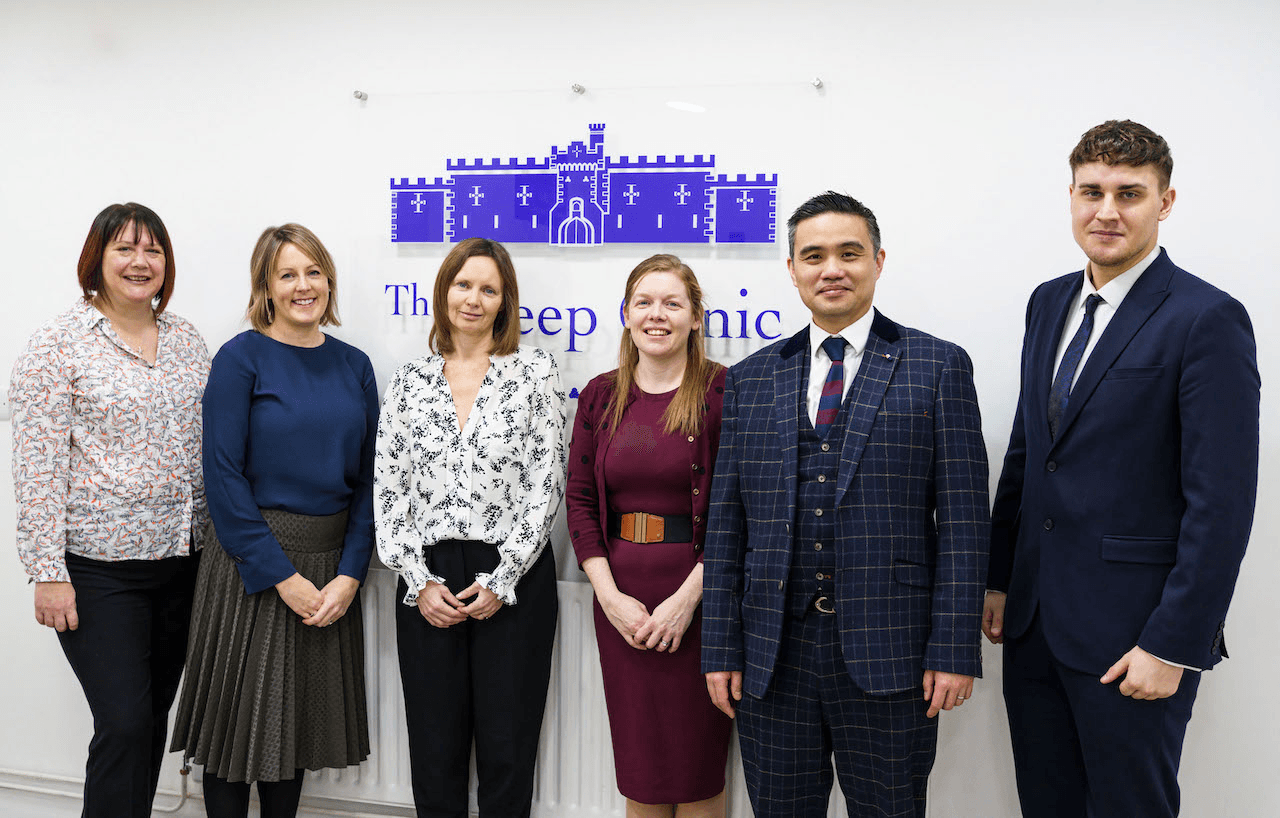
With deep expertise in orthopaedics and rehabilitation, Professor Paul Lee and his team ensure these treatments are delivered responsibly and tailored to each patient’s needs.
Free non-medical discussion
Not sure what to do next?
Information only · No medical advice or diagnosis.
Who Benefits from Non-Surgical Knee Cartilage Approaches?
Non-surgical treatments tend to work best for those with mild to moderate cartilage damage or for patients who face high surgery risks. This group often includes younger adults wishing to stay active, as well as older people with other health issues.
Treatment choice depends on several factors, including how severe the damage is, the stability of the knee, a patient’s lifestyle, and medical history. Centres like the London Cartilage Clinic offer highly individualised care plans to help each patient get the best possible results.
It's important to note that while cell therapies and nanotechnologies show great promise, “there is a need for a more effective cell therapy product with a minimally invasive surgical procedure for its implantation” (Zoricheva et al., 2024). For many patients, non-surgical options remain the preferred first step, reserving surgery for more complex cases.

Effectiveness, Risks, and Limitations of Non-Surgical Options
Many patients report meaningful improvements after non-surgical treatment, but the results can vary and usually take weeks or months to appear. It’s vital to understand these treatments may not fully reverse cartilage damage, and symptoms could recur.
Animal studies also provide some clues about the repair process. For example, “at 8 weeks postsurgery, the defect sites showed the growth of hyaline tissues,” with different repair success depending on the joint area involved (Tan et al., 2024). While encouraging, these findings are a guide rather than a direct prediction for humans.
Potential limitations include incomplete symptom relief or the possibility that surgery might eventually be required. Setting realistic expectations and ongoing professional support from specialists like Professor Lee are essential for successful outcomes.
Optimising Results: Lifestyle and Self-Care Strategies
Healing knee cartilage doesn’t depend on medical treatment alone. Lifestyle changes play an important role, too. Keeping a healthy weight reduces stress on the knee and helps protect cartilage. Regular low-impact activities like swimming, cycling, or walking enhance joint health and muscle strength without causing further damage.
Choosing well-fitting, supportive footwear can improve knee alignment and comfort. Sticking to rehabilitation programmes and maintaining regular check-ups ensures progress is monitored and treatment adapted as needed.
The London Cartilage Clinic takes a compassionate, patient-focused approach, helping individuals and their healthcare teams work together to maintain strong, healthy knees over the long term.
In summary, non-surgical treatment options for knee cartilage damage continue to expand and improve. Combining targeted therapies, lifestyle adjustments, and expert clinical support offers patients the chance to manage their condition effectively and return to better function. Professor Paul Lee and the London Cartilage Clinic represent the highest standards of care in this advancing field.
For personalised medical advice, please consult a qualified healthcare professional.
References
- Zoricheva, A. S., Zvonova, E. A., Agapova, L. S., Lykova, M. S., Markova, O., & Leonov, V. (2024). Experience in the production and clinical application of the cell-based medicinal product Easytense® for the repair of cartilage defects of the human knee. Traumatology and Orthopedics of Russia, 24(2), 172–187. https://doi.org/10.30895/2221-996x-2024-24-2-172-187
- Ji, F., Zeng, X., Wang, Z., Chen, H., Li, W., & Li, H. (2024). Preparation of an inclusion complex of nickel-based β-cyclodextrin: Characterization and accelerating the osteoarthritis articular cartilage repair. Open Chemistry, 22(1). https://doi.org/10.1515/chem-2024-0007
- Tan, Z., Duan, X., Ti, S.-T., & Yu, X.-J. (2024). Comparison of Self-repair Disparities in Articular Cartilage Defect Models With Various Load-bearing Sites. The Journal of Craniofacial Surgery. https://doi.org/10.1097/SCS.0000000000010884
Frequently Asked Questions
- MSK Doctors, led by Prof Paul Lee, offers advanced non-surgical treatments such as PRP and cell therapy, aiming for pain relief and improved function while reducing recovery risks. Their expert, tailored care supports each patient’s unique needs and goals in cartilage repair.
- Professor Lee, a leading cartilage expert and Royal College of Surgeons Ambassador, uses the newest therapies and research to deliver highly individualised treatment. His collaborative approach and profound knowledge help achieve optimal patient results and ensure responsible, evidence-based care.
- Yes. Treatments such as platelet-rich plasma injections, 3D cell therapies, and novel nano-technologies are available at MSK Doctors. Professor Lee oversees these options, using the latest scientific evidence to personalise approaches and maximise the patient’s potential for symptom improvement.
- Patients with mild to moderate cartilage damage, wishing to avoid the risks of surgery or with specific health concerns, often benefit most. Professor Lee and his team thoroughly assess each patient to recommend the safest and most effective treatment plan.
- The London Cartilage Clinic, led by Professor Lee, provides continuous monitoring, rehabilitation, and patient-focused care. Their compassionate team ensures each individual’s progress and treatment needs are regularly reviewed, supporting long-term knee health and optimal outcomes for every patient.
Legal & Medical Disclaimer
This article is written by an independent contributor and reflects their own views and experience, not necessarily those of Liquid Cartilage. It is provided for general information and education only and does not constitute medical advice, diagnosis, or treatment.
Always seek personalised advice from a qualified healthcare professional before making decisions about your health. Liquid Cartilage accepts no responsibility for errors, omissions, third-party content, or any loss, damage, or injury arising from reliance on this material.
If you believe this article contains inaccurate or infringing content, please contact us at [email protected].