
Injectable Bioactive Gels: Mapping the Future of Cartilage Regeneration and Repair
Introduction
Repairing damaged cartilage is one of the toughest challenges in orthopaedic medicine today. Although treatments and surgeries have improved over the years, restoring cartilage to its original, strong, and smooth form—known as hyaline cartilage—remains difficult. Conventional methods often result in a rougher, less durable tissue called fibrocartilage, which doesn’t function as well and wears out over time. Enter injectable bioactive gels, an exciting and less invasive approach in the world of regenerative medicine. These gels have the potential to encourage genuine cartilage repair and change the outlook for many patients. This article explores the development, science, and hopeful future of these gels in cartilage repair, focusing specifically on injectable cartilage repair and the broader potential for cartilage regeneration.
Why Cartilage Needs a New Solution
Traditional cartilage repair techniques such as microfracture surgery or grafts have long been the standard treatments, but they often fall short of restoring authentic hyaline cartilage. For example, microfracture surgery triggers the body to produce new tissue by creating small fractures in the underlying bone. However, this usually leads to the formation of fibrocartilage—a tissue that is mechanically weaker and more prone to breaking down.
Hyaline cartilage is unique because it contains no blood vessels and has a complex structure of cells and proteins, making natural repair very tricky. Current non-surgical treatments for cartilage damage or osteoarthritis often involve modifying activities, taking anti-inflammatory drugs, using splints, or receiving steroid injections to reduce pain and inflammation.
Experts like Professor Paul Lee stress the urgent need for innovative solutions that combine advanced biology with surgical skill. The London Cartilage Clinic, for example, is one centre adopting these new approaches, offering expert care and fostering recovery using cutting-edge regenerative techniques.
The Science Behind Advanced Bioactive Gels
So, what exactly are bioactive gels? These are specially crafted materials designed not just to fill a cartilage defect but to actively encourage the body to heal itself. Unlike simple fillers, bioactive gels usually consist of hydrogels—water-rich frameworks—that contain beneficial substances such as growth factors. One key growth factor often used is transforming growth factor-beta 1 (TGF-β1), which signals cells to regenerate cartilage.
Many advanced gels include nanoscale fibres that mimic the delicate structure of natural cartilage, creating an encouraging environment for stem cells—the body's repair cells—to settle and grow. This approach is often part of what's called stem cell cartilage therapy. Some gels also use dual-drug delivery systems that release healing agents in a controlled way over time, further enhancing tissue regeneration.
An example of this innovation is ChondroFiller®, a liquid collagen matrix described as “a resorbable filler based on type I collagen and a neutralising solution, used to form a protective layer around the cartilage defect while stimulating the growth of chondrocytes and consequent cartilage regeneration.” Studies in animals, including sheep, have shown encouraging results, with cartilage defects filling in nicely and new tissue forming that closely resembles natural cartilage.
Free non-medical discussion
Not sure what to do next?
Information only · No medical advice or diagnosis.
From Laboratory to Clinic: Progress and Challenges
Although the science behind injectable bioactive gels is exciting, bringing these treatments safely into everyday clinical use is a work in progress. Animal studies have demonstrated promising tissue regeneration and improved joint function. In real-world clinical settings, gels like ChondroFiller™ (which holds CE marking, indicating regulatory approval in Europe) have improved outcomes for patients with joint cartilage defects in knees, hips, and other smaller joints. Patients have reported better function, and MRI scans often show partial repair of cartilage defects within just a few months.
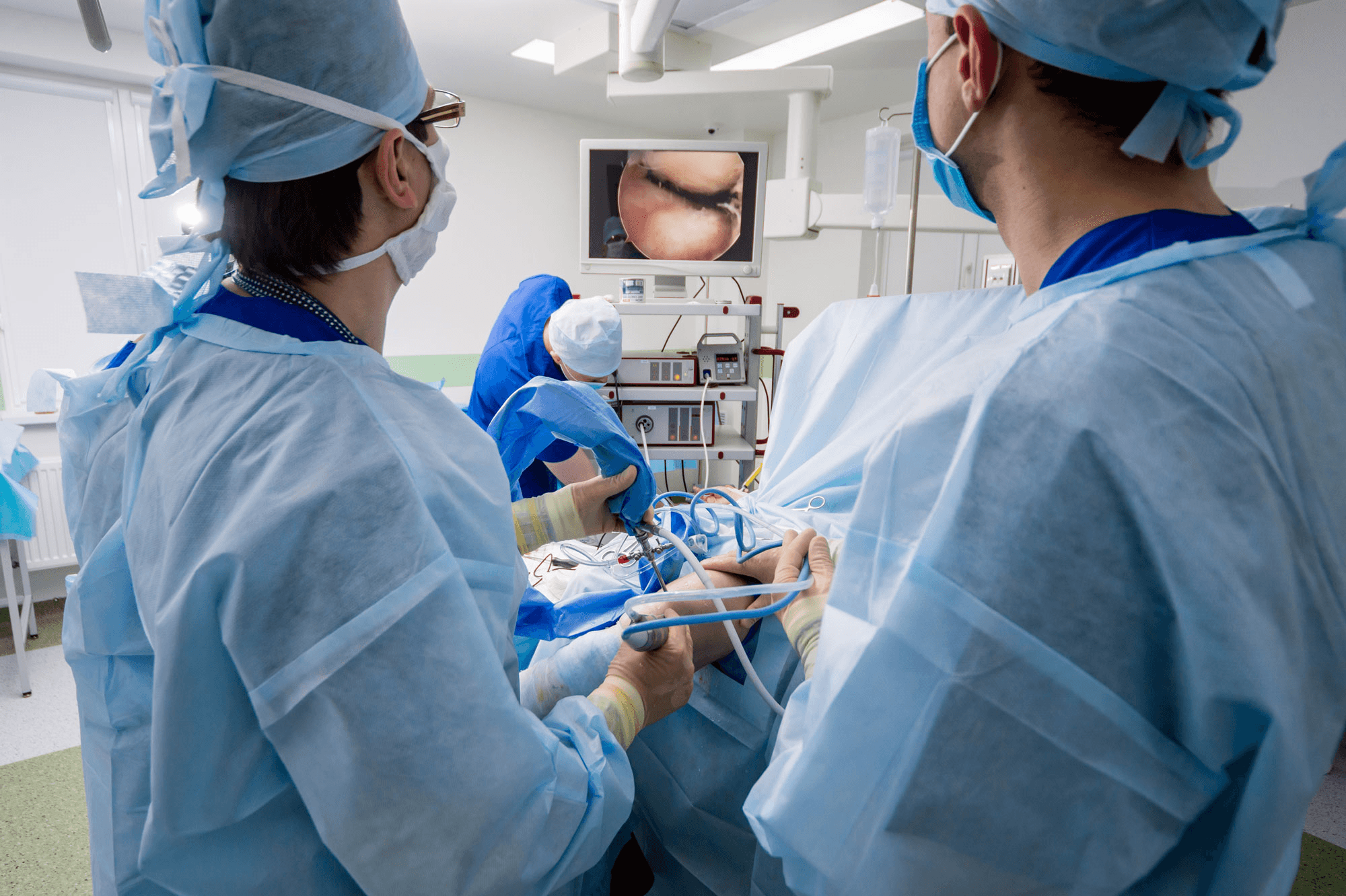
Special care is needed when treating hip cartilage defects, given the joint’s complex structure and limited accessibility. Experts have developed clever techniques such as combining a flexible needle with a curette (a small surgical instrument) to precisely deliver gels like ChondroFiller during arthroscopy—a minimally invasive surgical procedure. As one study puts it, "cells, scaffold therapies, and injectable agents have emerged as adjuncts to enhance clinical outcomes" in hip cartilage repair.
Recent clinical research testing ChondroFiller® noted “an improvement in pain symptoms, associated with increased grip and pinch strength,” alongside MRI evidence showing reduced joint swelling and improved cartilage structure. Similarly, for knee cartilage defects, it has been demonstrated that "the ChondroFiller liquid method is a safe and simple workable method," providing "good immediate filling of all treated defects" with “impressive maturation of the reconstructed cartilage” observed over time, without any reported adverse effects.
Still, while these results are encouraging, questions about long-term durability, how well the gel integrates with existing tissue, and patient-specific responses remain. Comprehensive clinical trials and ongoing monitoring are essential to ensure these treatments are both effective and safe.
Professionals such as Professor Paul Lee and the team at London Cartilage Clinic carefully follow this evolving research to provide their patients with treatments grounded in solid science, avoiding premature use of unproven methods.

What Lies Ahead for Patients and Practitioners?
The future looks bright but measured. Patients can expect to see gradual improvements in the availability and accessibility of injectable cartilage repair therapies. At first, these will remain largely in specialised centres, but as evidence and expertise grow, broader access should follow.
Advances in personalised medicine mean that treatments will increasingly be tailored to each patient’s unique injury and biology, combining stem cell therapies, bioactive gels, and other biologics for optimised outcomes. While the pace of change requires patience, the overall outlook is hopeful: more durable, less invasive cartilage repair methods that preserve joint function and improve quality of life.
Conclusion
Injectable bioactive gels represent a significant leap forward for cartilage repair, marrying cutting-edge bioengineering with regenerative biology to address persistent treatment challenges. Still, rigorous science and professional care are essential to realise their full potential safely. Patients interested in these new therapies should always consult qualified healthcare providers who keep pace with ongoing research developments.
For individual medical advice, please consult a qualified healthcare professional.
References
Corain, M., Zanotti, F., Giardini, M., Gasperotti, L., Invernizzi, E., Biasi, V., & Lavagnolo, U. (2023). The use of an acellular collagen matrix ChondroFiller® Liquid for trapeziometacarpal osteoarthritis. https://doi.org/10.1177/19476035251354926
Perez-Carro, L., Mendoza Alejo, P. R., Gutierrez Castanedo, G., Menendez Solana, G., Fernandez Divar, J. A., Galindo Rubin, P., & Alfonso Fernandez, A. (2021). Hip chondral defects: Arthroscopic treatment with the needle and curette technique and ChondroFiller. https://doi.org/10.1016/j.eats.2021.03.011
Schneider, U. (2016). Controlled, randomized multicenter study to compare compatibility and safety of ChondroFiller liquid (cell free 2-component collagen gel) with microfracturing of patients with focal cartilage defects of the knee joint. https://doi.org/10.5348/VNP05-2016-1-OA-1
Frequently Asked Questions
- Injectable bioactive gels offer a less invasive alternative, often encouraging more natural cartilage repair. At MSK Doctors, Professor Paul Lee leads in offering these innovations, combining advanced science with expert surgical techniques for patient-focused care in cartilage regeneration.
- Professor Paul Lee, Cartilage Expert and Royal College of Surgeons Advisor, has extensive expertise in regenerative therapies. His leadership at MSK Doctors ensures patients access the latest evidence-based treatments, minimising risks and promoting optimal recovery pathways in cartilage repair.
- MSK Doctors, under Professor Lee’s guidance, adopts cutting-edge treatments like injectable gels as research matures. Clinical studies show promising pain relief and cartilage repair with approved gels such as ChondroFiller, though ongoing evaluation of long-term outcomes ensures safety and quality.
- Patients should always seek consultation with experienced clinicians. MSK Doctors and Professor Lee provide thorough assessment, personalised advice, and careful monitoring, ensuring any new cartilage repair approach is grounded in robust science and best practice—not rushed or experimental.
- MSK Doctors is at the forefront of personalised, minimally invasive approaches like bioactive gels. With Professor Lee’s surgical innovation and ongoing research involvement, patients benefit from tailored, forward-thinking care that addresses each individual’s unique joint cartilage needs safely.
Legal & Medical Disclaimer
This article is written by an independent contributor and reflects their own views and experience, not necessarily those of Liquid Cartilage. It is provided for general information and education only and does not constitute medical advice, diagnosis, or treatment.
Always seek personalised advice from a qualified healthcare professional before making decisions about your health. Liquid Cartilage accepts no responsibility for errors, omissions, third-party content, or any loss, damage, or injury arising from reliance on this material.
If you believe this article contains inaccurate or infringing content, please contact us at [email protected].