
Cartilage Regrowth Gels Transforming Knee Injury Treatment
Introduction: Setting the Context
Knee cartilage injuries are a common and often troubling problem for many people. They can cause pain, stiffness, and reduced mobility, significantly impacting day-to-day life. Cartilage—the smooth tissue that cushions the joints—can wear down due to injury, ageing, or repeated stress. If left untreated, this damage may lead to osteoarthritis. Fortunately, recent advances in medical science are offering new ways to repair damaged cartilage, going beyond simple symptom management. Among these promising treatments are cartilage regrowth gels, which use advanced hydrogel and polymer technologies to support joint healing. This article aims to explain what these gels are, the science behind them, and how they are used in clinical practice.
What Are Cartilage Regrowth Gels?
Cartilage regrowth gels are very different from standard joint injections or supplements. These gels are specially designed medical treatments that encourage the body to regrow cartilage in damaged areas. Typically made from biocompatible materials like collagen and specially engineered polymers, these gels act as scaffolds—giving the body’s own cells a supportive structure on which to grow new cartilage tissue. As one study noted, “Cells, scaffold therapies, and injectable agents have emerged as an adjunctive modality to improve clinical outcomes.” Unlike treatments that simply ease symptoms, cartilage regrowth gels work on a cellular level to promote real healing. It’s important to understand that these gels are advanced medical procedures, not quick fixes, and should be applied by specialists.
How Cartilage Regrowth Gels Support Knee Cartilage Repair
The key to how these gels work lies in their ability to mimic the natural environment around cartilage cells—known as the extracellular matrix. This creates the perfect ‘home’ for cartilage cells, called chondrocytes, allowing them to attach, grow, and multiply. The gel’s structure is porous and hydrated, allowing nutrients and growth factors to pass through and speed up cartilage repair. According to research, “The implant shows a perfect integration to the adjacent cartilage right from the beginning and by time an impressive maturation of the reconstructed cartilage.” These gels are especially effective for treating focal cartilage defects—small, targeted areas of damage—rather than widespread cartilage loss seen in conditions like advanced arthritis. This targeted approach helps restore the knee’s cushioning and function.
Comparing Cartilage Regrowth Gels to Traditional Repair Techniques
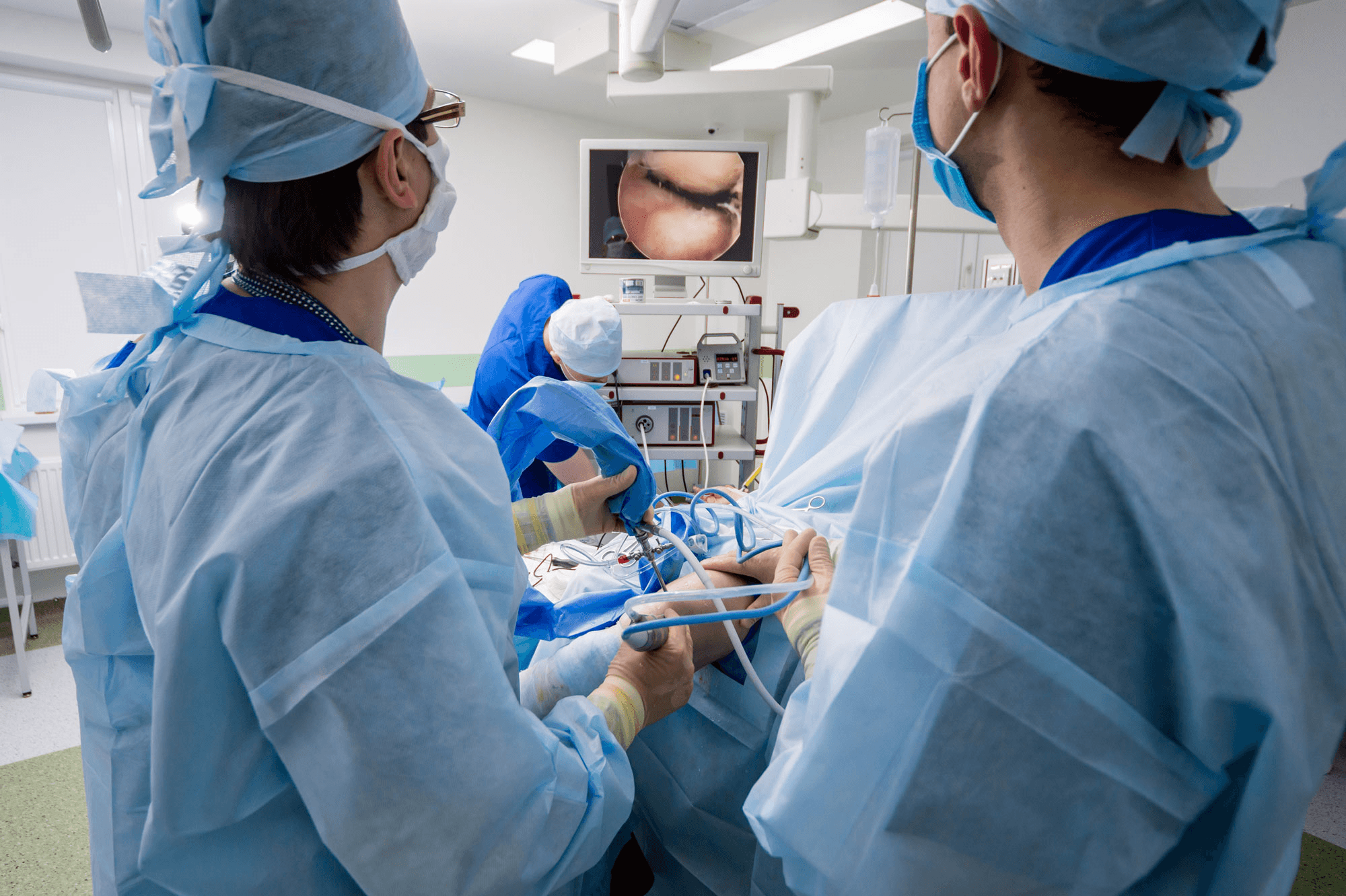
Traditional cartilage repair methods include microfracture surgery, which involves creating tiny holes in the bone to stimulate healing, and autografts, where cartilage is transplanted from one part of the joint to another. While these treatments can be effective, they often require invasive surgery and come with longer recovery times. Cartilage regrowth gels offer a less invasive alternative. They deliver hydrogel treatment directly to the damaged cartilage through minimally invasive procedures. As seen in hip treatments, “the use of ChondroFiller liquid, a liquid cell-free collagen matrix, for the treatment of symptomatic full-thickness chondral defects… in a 1-step arthroscopic procedure,” provides a neat example of how these gels are applied surgically. However, it’s important to remember that gel treatments are not suitable for everyone, and outcomes can vary. They work alongside traditional methods, broadening the range of options available to patients.
Patient Assessment, Procedure, and Recovery
Before treatment with cartilage regrowth gels, patients undergo a thorough assessment by specialists. At centres like the London Cartilage Clinic, led by Professor Paul Lee, this includes detailed scans and clinical examinations to understand the extent and nature of cartilage damage. Suitable candidates then receive treatment that involves carefully placing the gel scaffold into the damaged area through minimally invasive techniques. Precision is key: “Long and malleable needles that can be bent are used to release these kinds of biological products,” ensuring the gel reaches the exact part of the cartilage defect. Recovery times vary, but typically involve gradual rehabilitation designed to protect the repair while encouraging the regrowth of healthy cartilage. Clinical studies have shown that improvements can last long term, with one noting, “This improvement remained up to one year follow-up.” Setting realistic expectations is essential, and patient commitment to post-treatment care plays a big role in success.
Addressing Frequently Asked Questions and Misconceptions
There are some common misunderstandings about cartilage regrowth gels. Some people think they work as instant cures or are suitable for all cartilage injuries. In reality, these gels are designed for specific types of localised cartilage damage, and thorough clinical evaluation is necessary before treatment. Their effectiveness depends on proper patient selection, the precise nature of the injury, and adherence to rehabilitation plans. They are not a solution for widespread joint damage or all arthritis cases. As research advises, “Further prospective randomised studies with higher case numbers and longer follow-up… have to be done to evaluate the importance of this new type of treatment.” For anyone considering these treatments, consulting a qualified healthcare professional is essential.
Conclusion and Professional Guidance
Cartilage regrowth gels represent a major step forward in repairing knee cartilage, using advanced biomaterials to support tissue regeneration at a microscopic level. They offer a promising, minimally invasive option for suitable patients, complementing traditional surgical treatments. Success depends on expert assessment, precise application, and patient dedication to rehabilitation. Under the expert care of Professor Paul Lee and his team at the London Cartilage Clinic, patients can expect professional, compassionate treatment. If you are affected by knee cartilage injury, educate yourself about all options and always seek advice from qualified medical professionals. For individual medical advice, please consult a qualified healthcare professional.
References
- Corain, M., Zanotti, F., Giardini, M., Gasperotti, L., Invernizzi, E., Biasi, V., & Lavagnolo, U. (2023). The Use of an Acellular Collagen Matrix ChondroFiller® Liquid for Trapeziometacarpal Osteoarthritis. Cartilage. https://doi.org/10.1177/19476035251354926
- Schneider, U. (2016). Controlled, randomized multicenter study to compare compatibility and safety of ChondroFiller liquid (cell free 2-component collagen gel) with microfracturing of patients with focal cartilage defects of the knee joint. Vascular and Nonvascular Procedures, VNP05-2016-1-OA-1. https://doi.org/10.5348/VNP05-2016-1-OA-1
- Perez-Carro, L., Rosi Mendoza Alejo, P., Gutierrez Castanedo, G., Menendez Solana, G., Fernandez Divar, J.A., Galindo Rubin, P., & Alfonso Fernandez, A. (2021). Hip Chondral Defects: Arthroscopic Treatment With the Needle and Curette Technique and ChondroFiller. Arthroscopy Techniques, 10(7), e1614-e1622. https://doi.org/10.1016/j.eats.2021.03.011
Frequently Asked Questions
- Cartilage regrowth gels are advanced treatments designed to promote genuine cartilage repair at a cellular level. Unlike supplements, they use biocompatible scaffolds, allowing new cartilage tissue to grow. At MSK Doctors, Professor Paul Lee’s expertise ensures these procedures are performed to the highest clinical standards.
- Professor Paul Lee is a leading cartilage expert, a Regional Surgical Ambassador, and an ambassador and advisor for the Royal College of Surgeons of Edinburgh. His extensive knowledge and international experience mean patients at MSK Doctors receive world-class care tailored to their specific needs.
- Cartilage regrowth gels are best suited for localised cartilage defects, not for widespread damage or advanced arthritis cases. Professor Lee’s team at MSK Doctors conducts thorough assessments to determine suitability and select the most effective treatment for each patient’s unique condition.
- After a detailed assessment, patients receive minimally invasive gel treatments precisely applied to the damaged area. Professor Paul Lee and his team use advanced techniques to maximise outcomes and provide individualised rehabilitation programmes, focusing on safety and patient experience throughout the journey.
- MSK Doctors, led by Professor Paul Lee, stands out for its use of cutting-edge techniques and personalised care. With Professor Lee’s credentials as a cartilage expert and his dedication to patient-centred treatment, patients can trust they will receive professional, compassionate support.
Next steps
Where to go from here
These routes are selected from the topic and purpose of this article. They are guidance, not a diagnosis or treatment recommendation.
Recovery route
Explore recovery guidance
Continue with practical recovery and patient-journey information.
Talk to the team
Book a free discovery call
A non-medical call with the team to understand services and choose the right booking route.
Legal & Medical Disclaimer
This article is written by an independent contributor and reflects their own views and experience, not necessarily those of Liquid Cartilage. It is provided for general information and education only and does not constitute medical advice, diagnosis, or treatment.
Always seek personalised advice from a qualified healthcare professional before making decisions about your health. Liquid Cartilage accepts no responsibility for errors, omissions, third-party content, or any loss, damage, or injury arising from reliance on this material.
If you believe this article contains inaccurate or infringing content, please contact us at [email protected].